


There are two kinds of exceptional diamonds. Those with a price, traceable to the nearest euro in the auction rooms of Sotheby’s and Christie’s. And those that will never have one, because they belong to crowns and museums, and no fortune could ever buy them. The former race for records; the latter carry centuries of history and a few curses.
Diamonds with a price: auction records
At the top of all rankings sits the CTF Pink Star, a 59.60-carat pink diamond sold for $71.2 million at Sotheby’s in Hong Kong in 2017, the highest price ever paid for a diamond or a piece of jewellery. Purchased by the jeweller Chow Tai Fook, it was cut over two years from a 132-carat rough stone.
Just behind, the Oppenheimer Blue, a 14.62-carat blue diamond, fetched around $57.5 million at Christie’s in 2016, a world record until the Pink Star. Then come the Pink Legacy ($50.4 million, bought by Harry Winston), the Blue Moon of Josephine (around $48.4 million, given by a billionaire to his seven-year-old daughter) and the Graff Pink ($46 million). They all share one thing in common: rare colours, pink and blue, are worth infinitely more than white.
Priceless diamonds: invaluable treasures
The Hope, the blue diamond reputed to be cursed
Housed at the Smithsonian in Washington, the Hope Diamond, a 45.52-carat deep blue stone, is undoubtedly the most famous in the world. Estimated at between $200 million and $350 million, it is officially considered irreplaceable, and therefore priceless. Its reputation as a cursed stone, said to have brought misfortune to its owners, owes much to a legend cleverly maintained to promote it.

The Koh-i-Noor, the stone disputed by nations
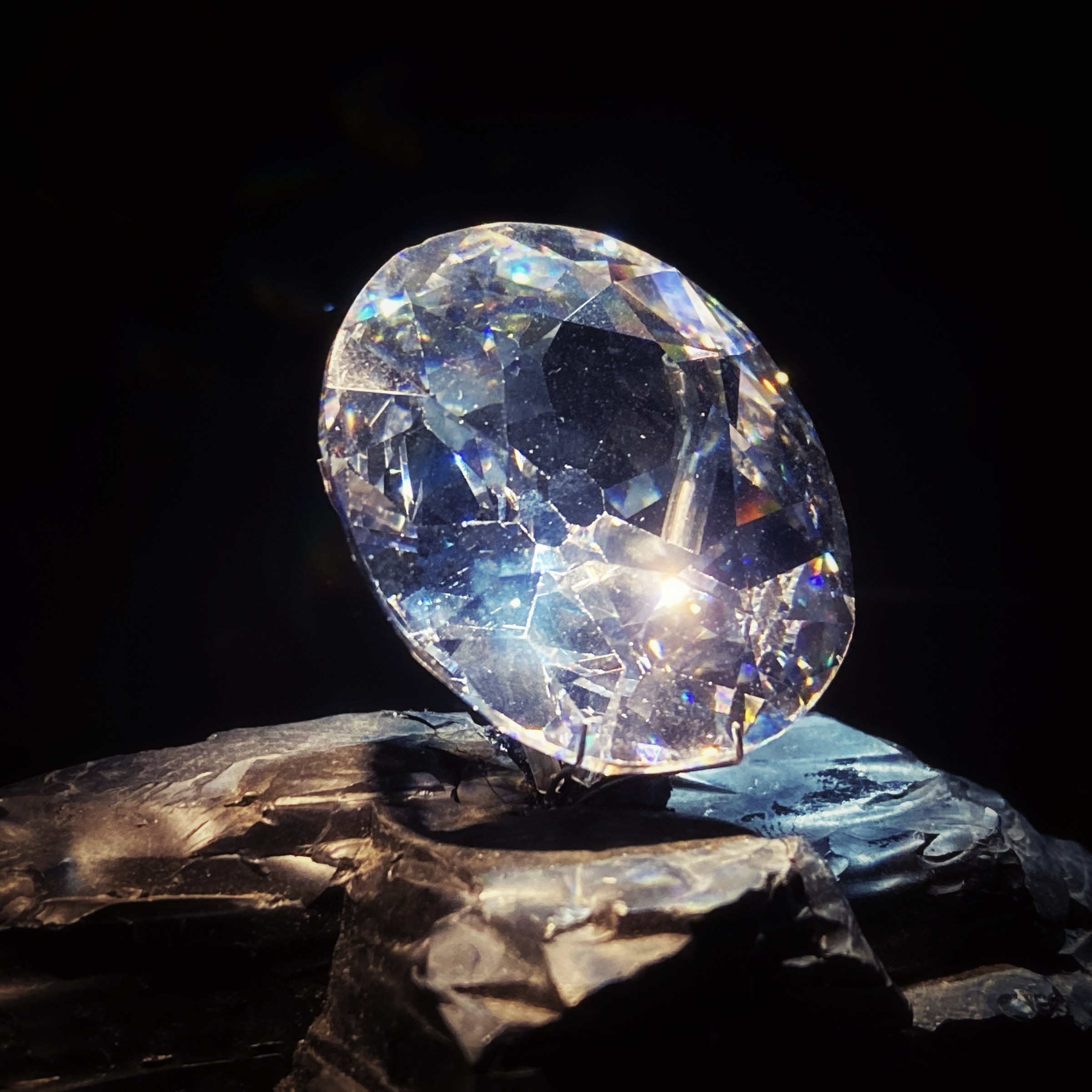
Set in the Queen Mother’s Crown, at the Tower of London, the Koh-i-Noor, at around 105 carats, is one of the most historically significant diamonds. Claimed by India, Pakistan, Afghanistan and Iran, it has never been publicly valued and will never be put up for sale.
The Cullinan, the giant of the British Crown Jewels
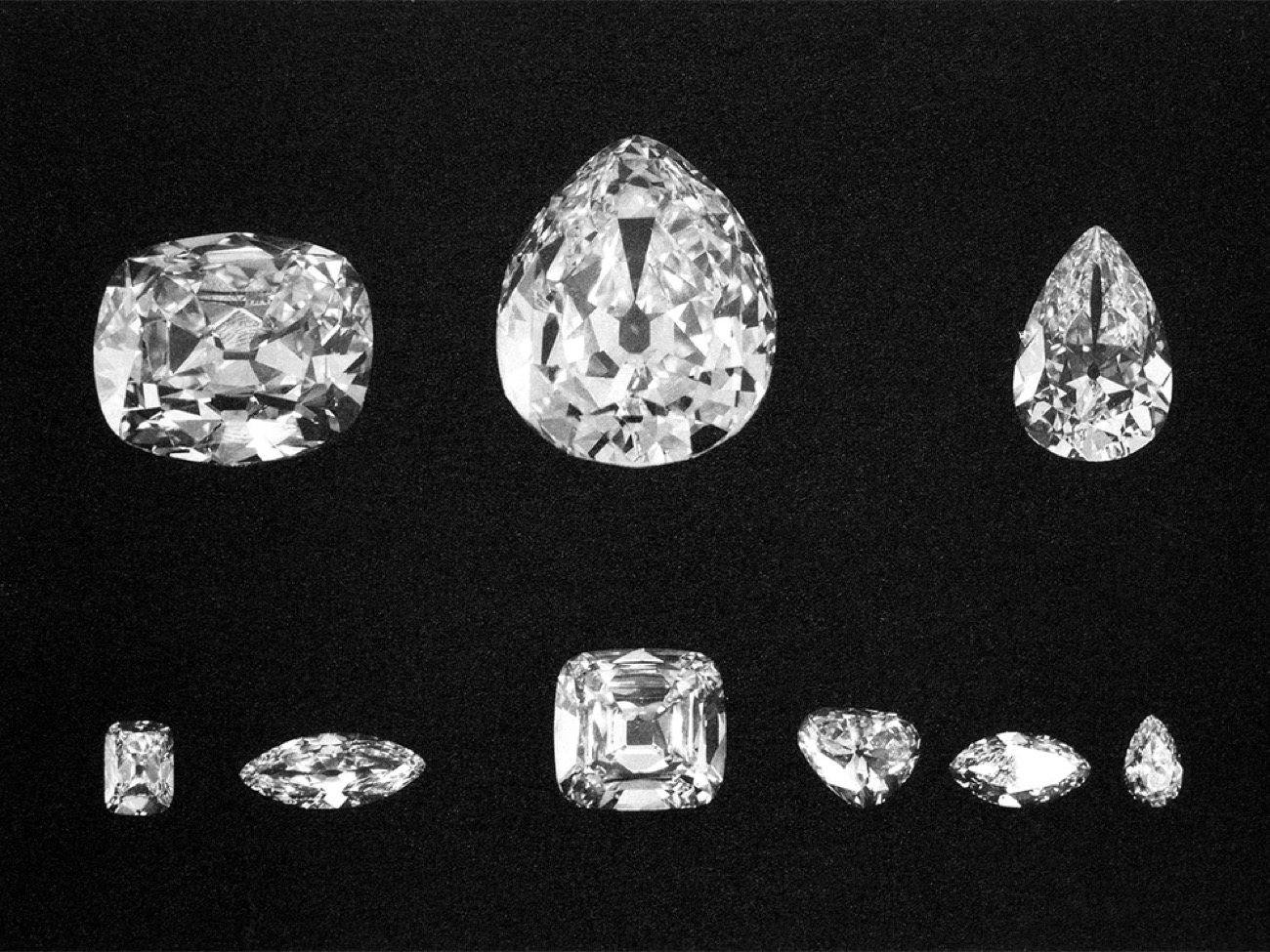
Cut from the largest rough diamond ever discovered, 3,106 carats found in South Africa in 1905, the Cullinan was cut into nine major stones. The largest, the Great Star of Africa (around 530 carats), adorns the top of the Sovereign’s Sceptre; the second crowns the Imperial State Crown. Owned by the British Crown, they are also priceless.
The Regent, the jewel of the Louvre
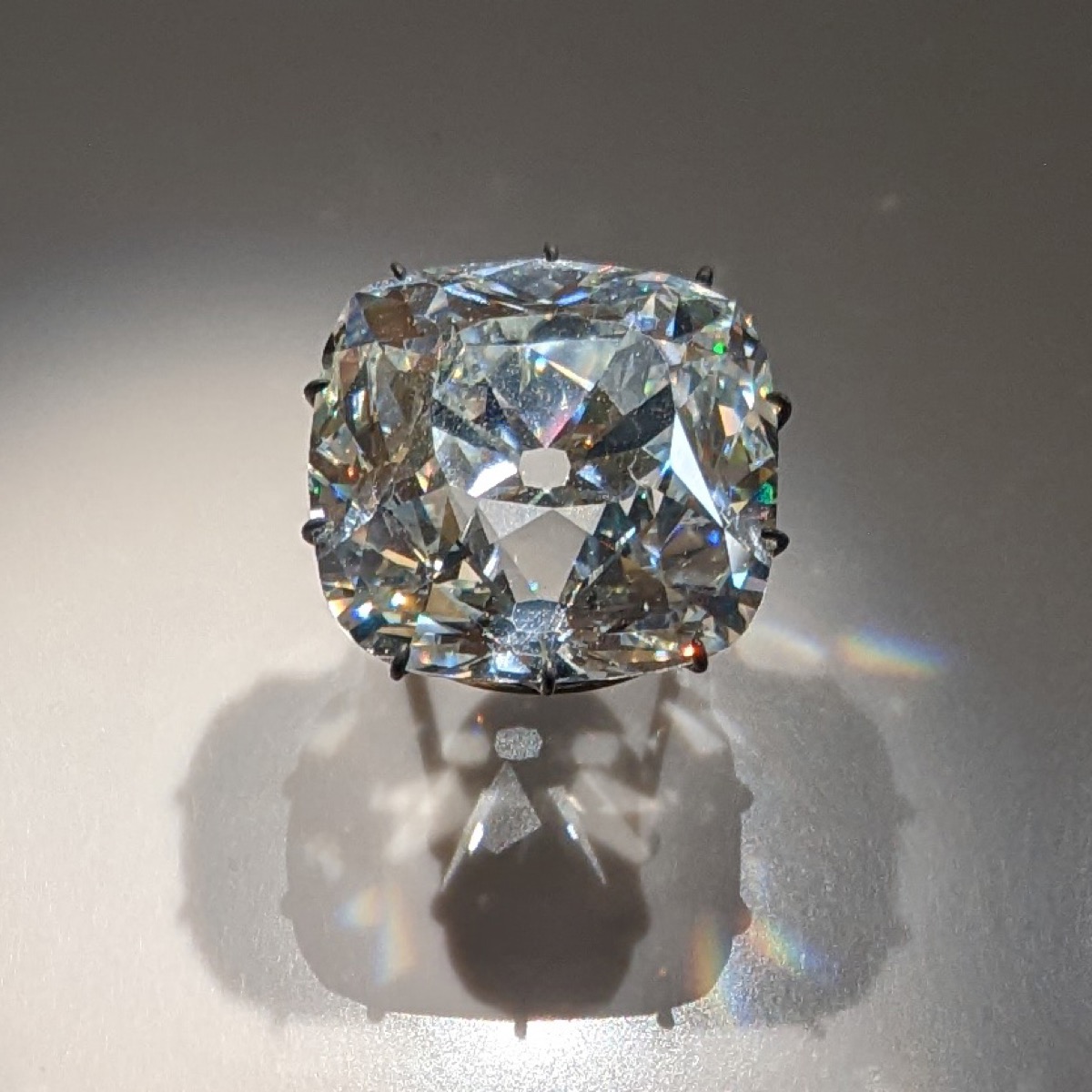
France has its own: the Regent, a 140.64-carat stone of exceptional purity, discovered in India at the end of the 17th century and kept at the Louvre since 1887. It adorned the coronation crowns of Louis XV and Louis XVI, and later the hilt of Napoléon’s sword. A recent estimate puts it at around $60 million, but it is no more for sale than the British Crown Jewels.
At the top, value is no longer measured in carats
From pink diamonds at 71 million to priceless crown jewels, the most expensive diamonds in the world recall an ancient truth: at the very top, value is no longer measured in carats or even dollars, but in history, rarity and power.