

At a glance
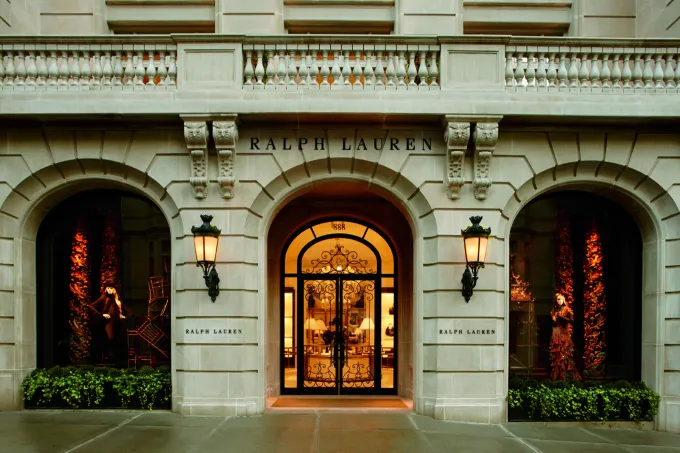
- How much? In the quarter ended 26 September 2026, reported on 5 November, Tapestry rose 43% in Greater China (+39% at constant currency) and Ralph Lauren more than 35% in China.
- Tapestry: Coach (+16%) alone carries the group, while Kate Spade fell 10%.
- Guidance: raised by both groups for fiscal 2027.
- LVMH and Kering: neither reports China on its own. LVMH fell 5% in Asia excluding Japan and Kering 8% in Asia-Pacific retail, a figure given during the results presentation.
- Groups: LVMH +1% organic, Kering -1% comparable. The scopes differ, so the comparison is not direct.
Tapestry and Ralph Lauren published results on 5 November 2026 marked by a sharp rise in China, a few weeks after those of LVMH and Kering. Both American groups grew there by more than 35% in the quarter ended in late September, while LVMH and Kering declined in their Asian regions. These figures do not measure the same thing.
Tapestry: $385 million in Greater China, +43%
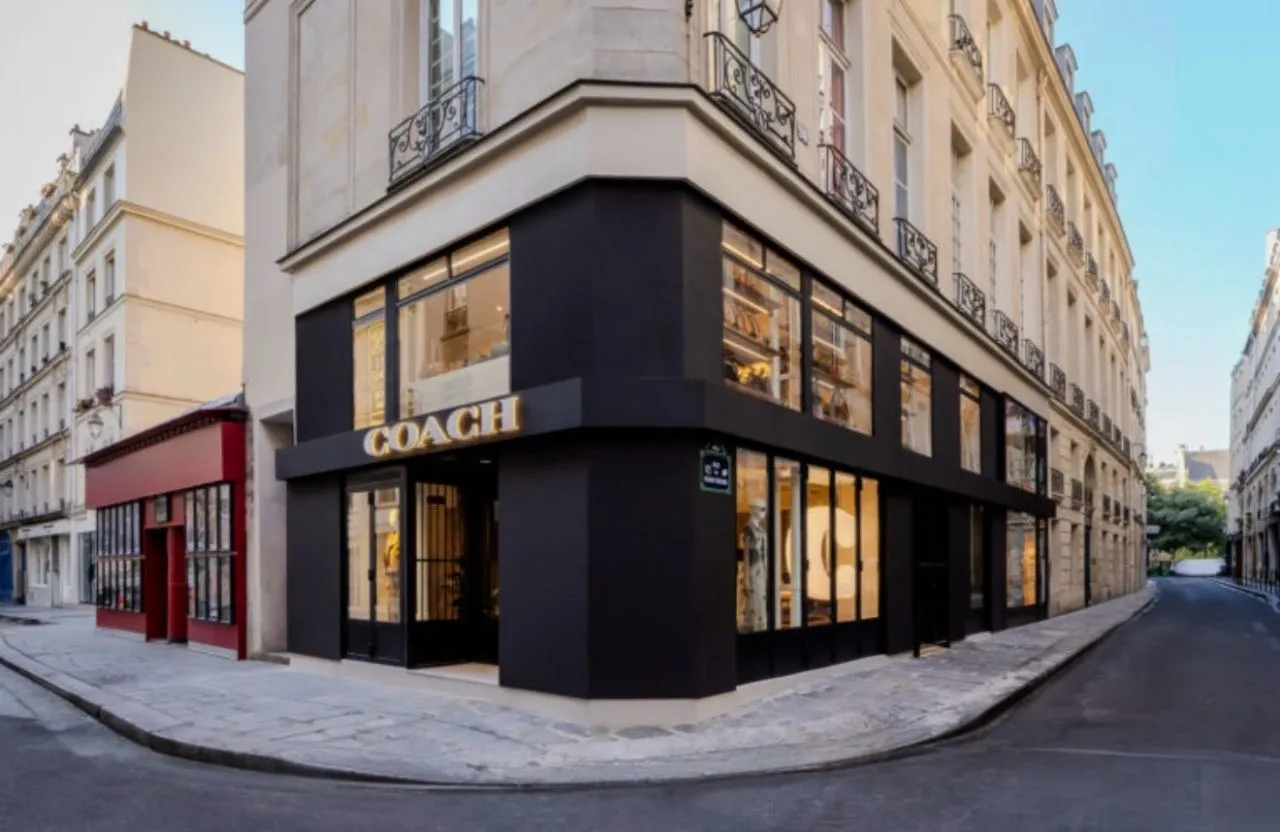
Tapestry published results for the first quarter of its fiscal 2027, ended 26 September. Greater China, meaning mainland China, Taiwan, Hong Kong and Macao, reached $385 million, +43% reported and +39% at constant currency. It accounts for about 20% of revenue (La Revue du Luxe calculation), which came to $1,894 million: +11% reported, +12% pro forma.
At constant currency, North America rose 4% to $1,110 million and Europe 22% to $151 million. Adjusted earnings per share reached $1.82, up 32%.
Coach alone drives the group’s growth
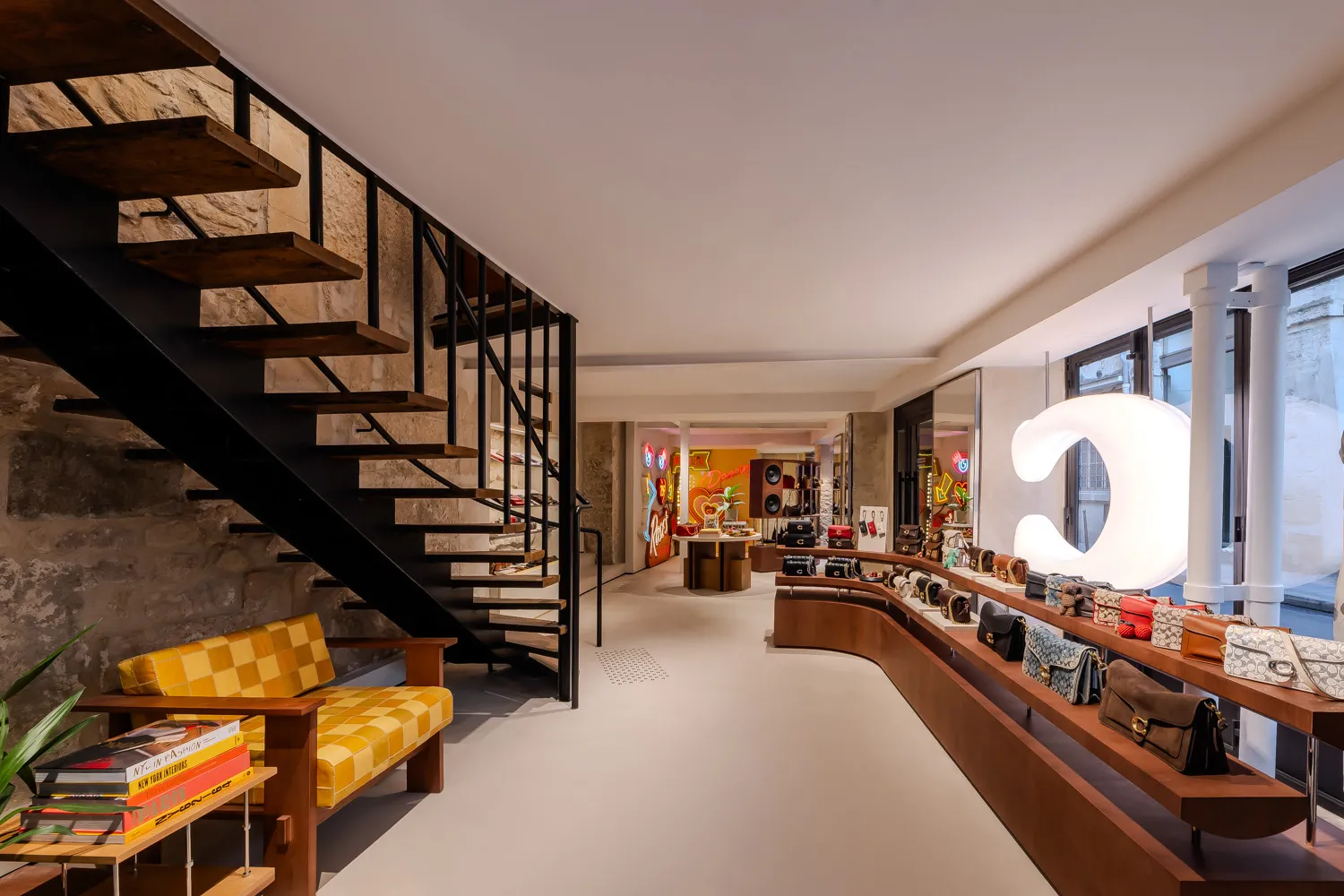
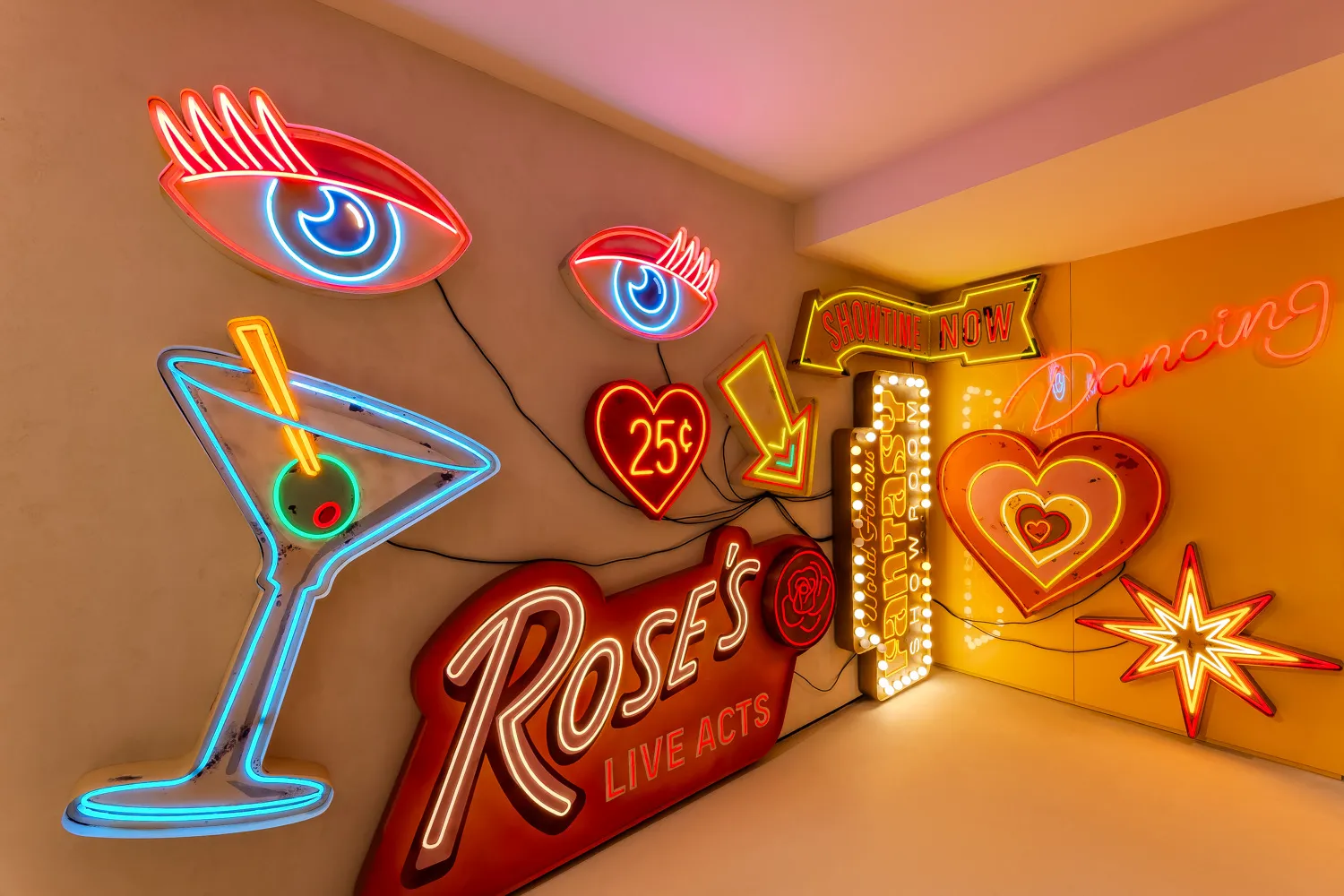
Coach generated $1,661 million, up 16%, while Kate Spade fell 10% to $233 million. Stuart Weitzman is no longer part of the group: the brand was sold to Caleres in a deal completed on 4 August 2025, and the pro forma figure excludes it. Tapestry says it gained 2.6 million new customers in the quarter, about 35% of them from Generation Z.
Ralph Lauren: more than 35%, no amount disclosed
Ralph Lauren published results the same day for the second quarter of its fiscal 2027, also ended 26 September: revenue of $2,193.3 million, +9% reported and +10% at constant currency. China grew by more than 35%, both reported and at constant currency, with no amount disclosed. The group attributes this rise to comparable store sales and new points of sale.
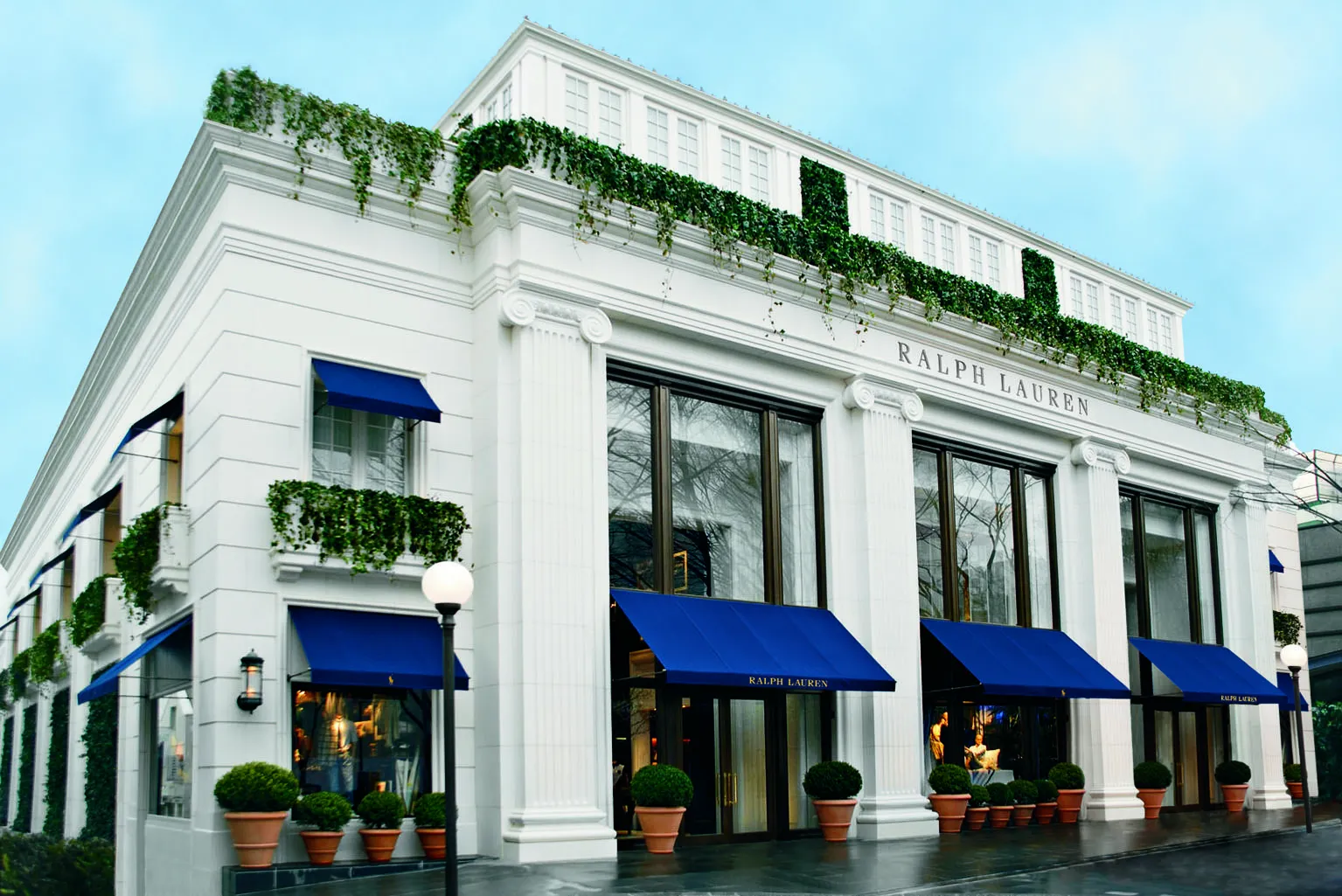
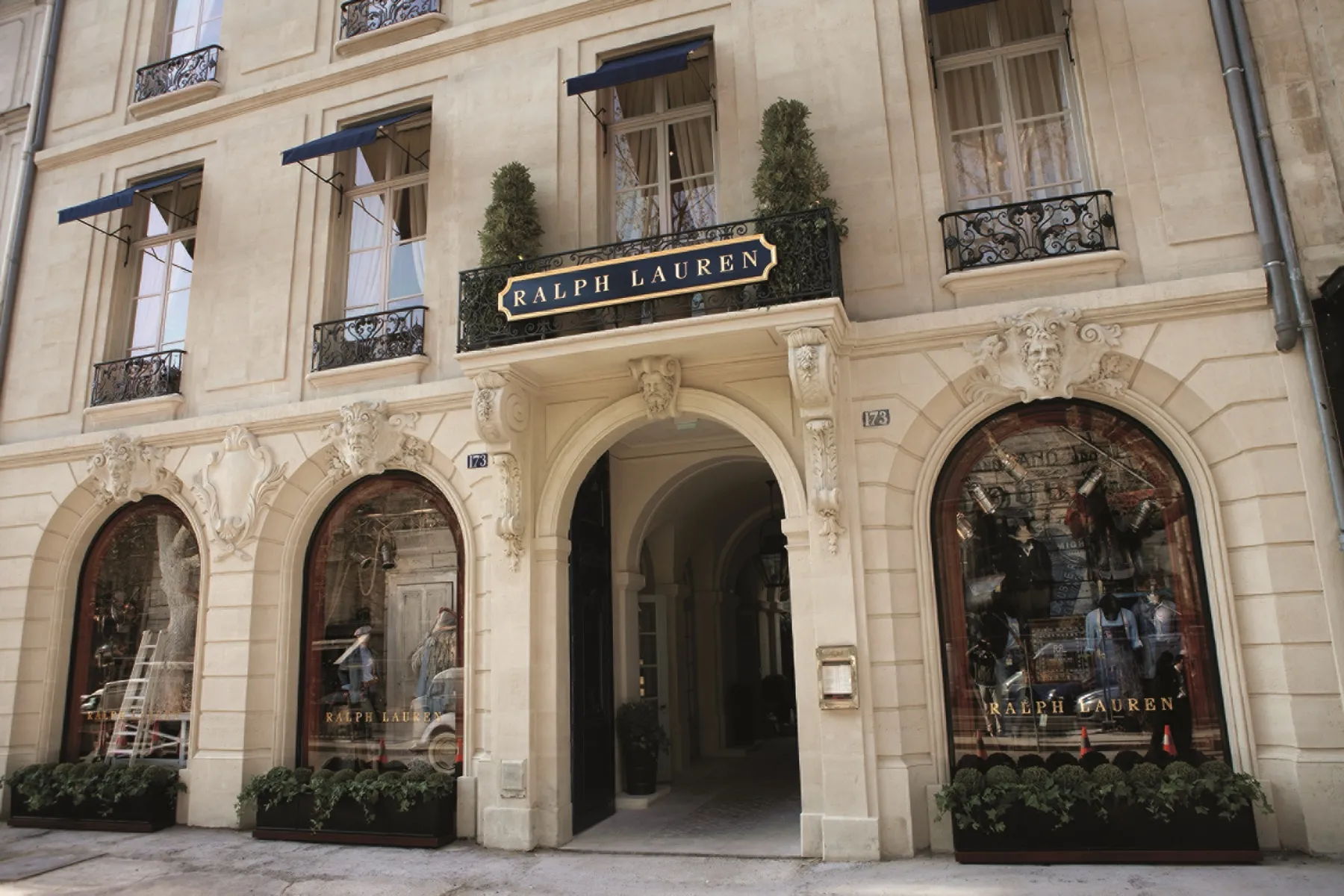
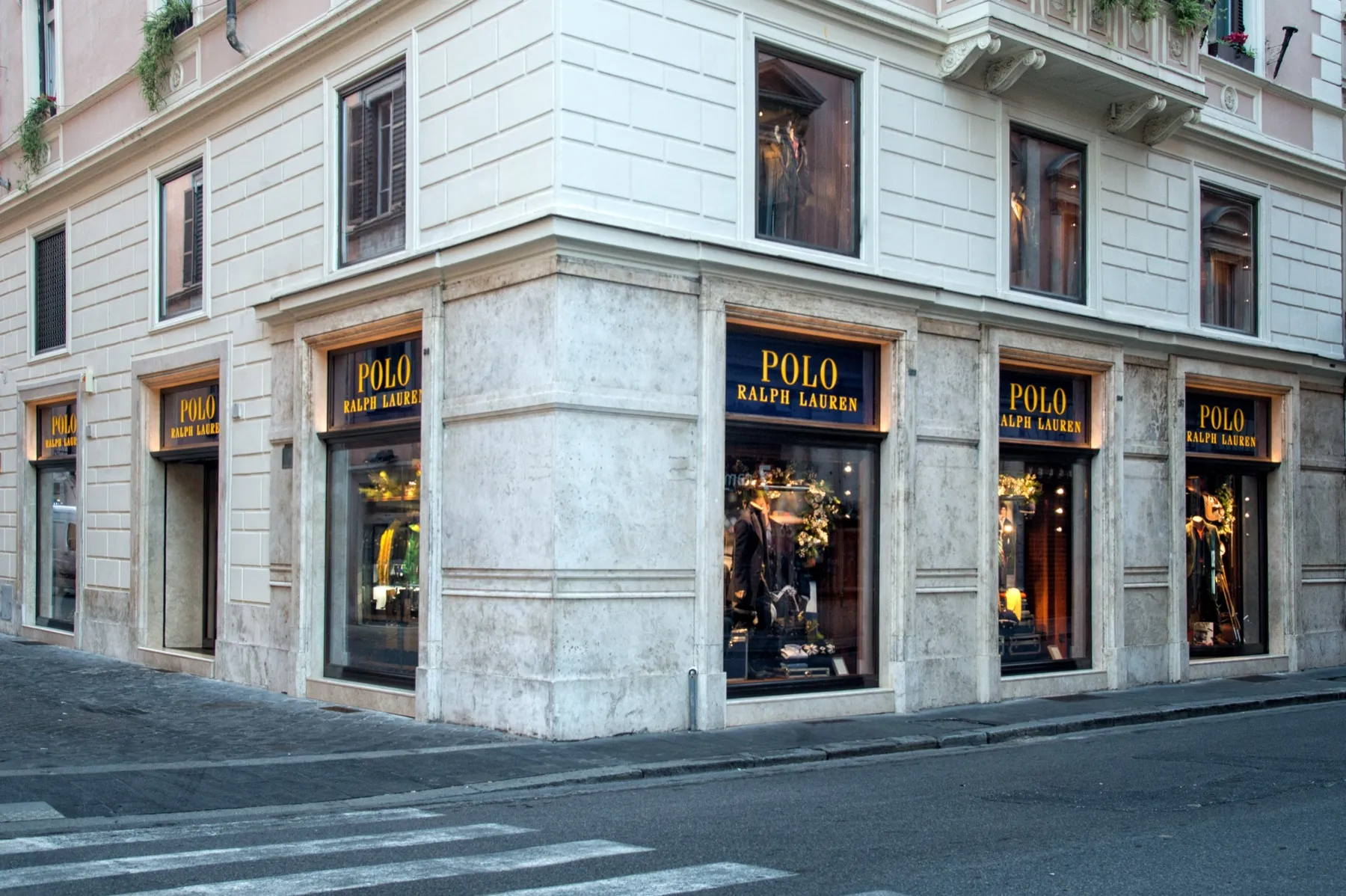
Only the Asia region is quantified: $571 million, +28%, with comparable sales up 24%. The group opened 22 stores in the quarter, including Hopson One in Beijing.
Guidance raised on both sides
Tapestry is targeting revenue of $8.5 to 8.6 billion for fiscal 2027, against $8.4 to 8.5 billion previously, and adjusted earnings per share of $8.25 to 8.35, against $7.80 to 7.90. Ralph Lauren now centres its annual constant-currency growth on 6 to 7%, against 5 to 6%, but is targeting 3 to 4% for the third quarter, a slower pace than the +10% of the quarter just ended.
-5% and -8%: regions, not China alone
Neither LVMH nor Kering reports China on its own: their declines relate to wider regions. On 12 October LVMH reported third-quarter revenue of €18,504 million, +1% organic. Asia excluding Japan fell 5% in the quarter, after +7% in the first quarter and +4% in the second (see the half-year results). The group cites a less supportive environment in China, which it says is affecting its Fashion and Leather Goods business, at €8,245 million.
On 22 October Kering reported revenue of €3,345 million, stable on a reported basis and -1% on a comparable basis. Gucci fell 6% on a comparable basis, with weaker footfall notably in mainland China and Japan. The press release gives no regional figure: an 8% fall in Asia-Pacific retail sales was given during the results presentation by chief financial officer Armelle Poulou, who named mainland China as the main drag, partly offset by South Korea.
Why isn’t the comparison direct?
The regions differ: Greater China, China, Asia excluding Japan, Asia-Pacific. So do the measures: reported and constant currency, organic, retail sales. These changes therefore cannot be compared point by point. This is La Revue du Luxe’s reading, not the groups’: two American players are growing strongly while two European ones are declining in Asia, but the documents consulted measure no shift of customers and do not explain the gap. The overall picture is in our review of the luxury market in Q3, and La Prairie, revived by China, offers another case in this market.
| Tapestry, group | $1,894 million, +11% reported |
| Tapestry, Greater China | $385 million, +43% reported, +39% at constant currency |
| Ralph Lauren, group | $2,193.3 million, +9% reported |
| Ralph Lauren, China | more than 35%, amount not disclosed |
| LVMH, group | €18,504 million, +1% organic |
| LVMH, Asia excluding Japan | -5% organic |
| Kering, group | €3,345 million, -1% comparable |
| Kering, Asia-Pacific | -8% in retail sales, given during the results presentation |
Information checked on 6 November 2026. Sources: press releases from Tapestry (results of 5 November 2026, sale of Stuart Weitzman), from Ralph Lauren, from LVMH (press release, presentation) and from Kering, Kering results presentation of 22 October 2026.