

In brief
- The largest diamond in the world, the Cullinan (3,106 rough carats, 1905), has never had a market price: the only known figure is the one paid by the Transvaal government to present it to King Edward VII, 150,000 pounds sterling in 1907, according to the GIA.
- Its two largest stones, Cullinan I (530.2 carats) and Cullinan II (317.4 carats), are part of the British Crown Jewels and are not for sale.
- Upon its discovery, published estimates ranged from 4 to 100 million dollars: none were ever verified.
- The largest rough diamond sold with a public price remains the Lesedi La Rona, 1,109 carats, sold for 53 million dollars to the jeweller Graff in 2017, according to the mining company Lucara.
- Cullinan I remains the largest cut colourless diamond in the world, according to the Royal Collection Trust.
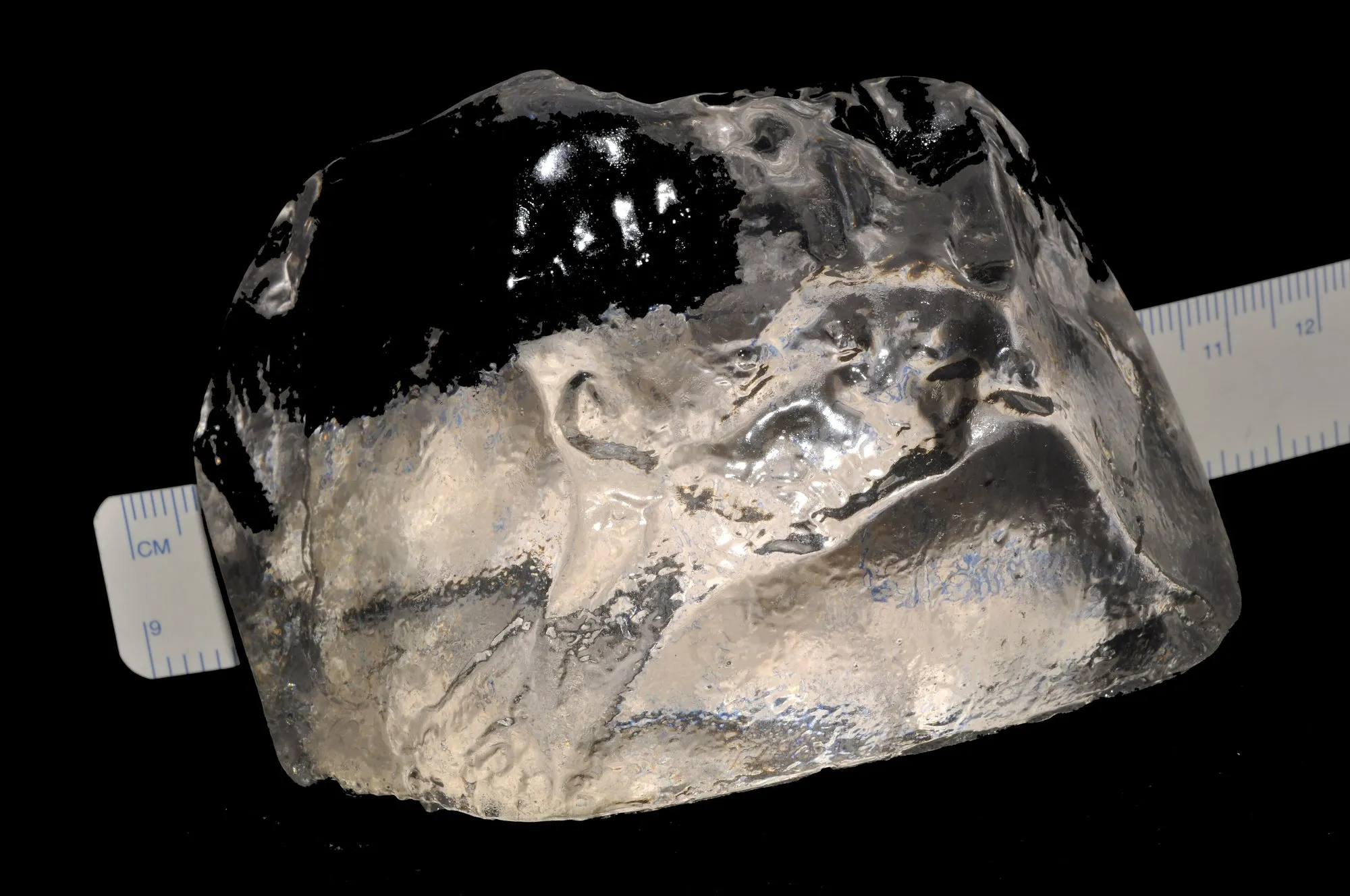
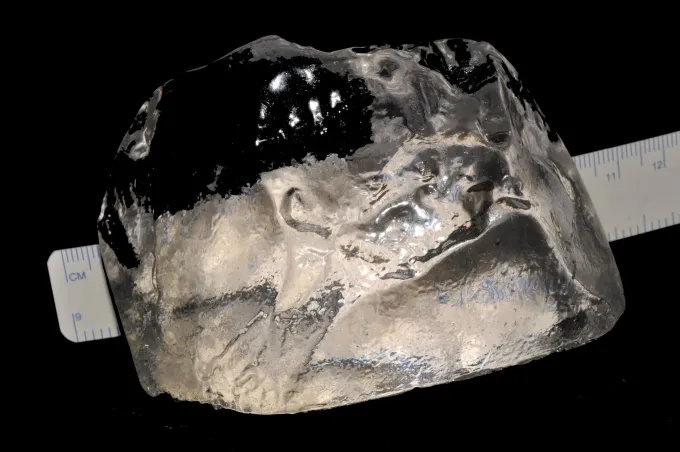
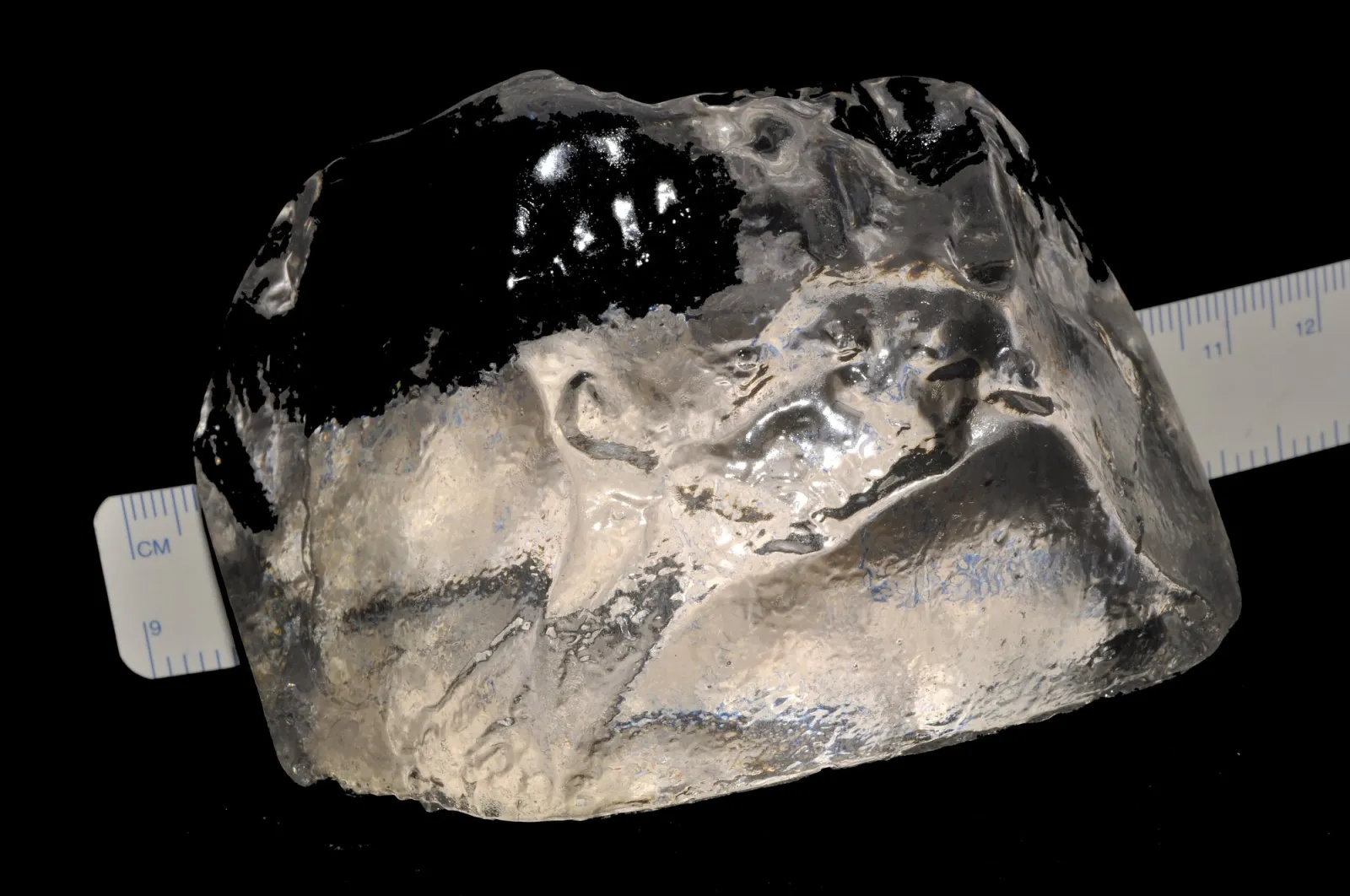
The largest diamond in the world has a name, a date and an owner: the Cullinan, discovered in South Africa in 1905 and today divided between the sceptre and the crown of British monarchs. It also has a price tag, just one, paid over a century ago by a colonial government. Here is what the giants of the diamond world are truly worth.
How much does the largest diamond in the world cost?
The Cullinan has never been put up for public sale. Following its discovery, the stone was sent in April 1905 to London, to the agent of the Premier Mine, where it waited for over two years without a buyer. In August 1907, the Transvaal assembly voted to purchase it for 150,000 pounds sterling, in order to present it to King Edward VII as a token of loyalty after the Boer War, reports the Gemological Institute of America (GIA) in its centenary study. The King received it at Sandringham on 9 November 1907, his 66th birthday.
This sum was not a market price: it was a political transaction, at a rate fixed between the government and the mining company. The GIA also notes that when the discovery was announced, published estimates ranged from 4 to 100 million dollars, and the local press proposed buying it for 500,000 pounds as early as 1905. Converting the 150,000 pounds of 1907 into modern currency would make little sense: the cut stone no longer resembles the original rough block, and it has been removed from the market forever.
The Cullinan in figures
| Feature | Detail |
|---|---|
| Rough weight | 3,106 metric carats (approx. 621 g), the largest rough diamond ever found |
| Discovery | 26 January 1905, Premier Mine, near Pretoria (South Africa) |
| Name | after Thomas Cullinan, chairman of the mining company |
| Purchase | 150,000 pounds sterling, voted by the Transvaal in August 1907 |
| Presentation to the King | 9 November 1907, Sandringham, for Edward VII’s 66th birthday |
| Cutting | Asscher, Amsterdam, 1908: 9 major stones and around one hundred smaller brilliants |
| Cullinan I | 530.2 carats, Sovereign’s Sceptre with Cross (since 1910) |
| Cullinan II | 317.4 carats, Imperial State Crown |
| Owner | The British Crown |
| Current price | none: inalienable, never publicly valued |
| Sources | Royal Collection Trust, GIA (Gems & Gemology, 2006) |
From the Premier Mine to the royal sceptre
On 26 January 1905, the surface manager of the Premier Mine, Frederick Wells, spotted a glint in the mine wall. He extracted a crystal measuring approximately 10 centimetres in length. Its exact weight was the subject of debate: 3,024 ¾ carats in Johannesburg, 3,025 ¾ in London, according to scales and carats that varied from country to country. The figure accepted today, 3,106 carats, is expressed in metric carats, a standard that this event helped to establish, notes the GIA.
The cutting was entrusted to Joseph Asscher in Amsterdam. On 10 February 1908, he cleaved the stone: the first blade shattered, whilst the second split the block in two. Three craftsmen spent eight months polishing nine major stones and around one hundred smaller brilliants, according to the Royal Collection Trust. Cullinan I and II were returned to the King; Asscher retained the others as payment for his work, before the South African government bought them back to present to Queen Mary in 1910.
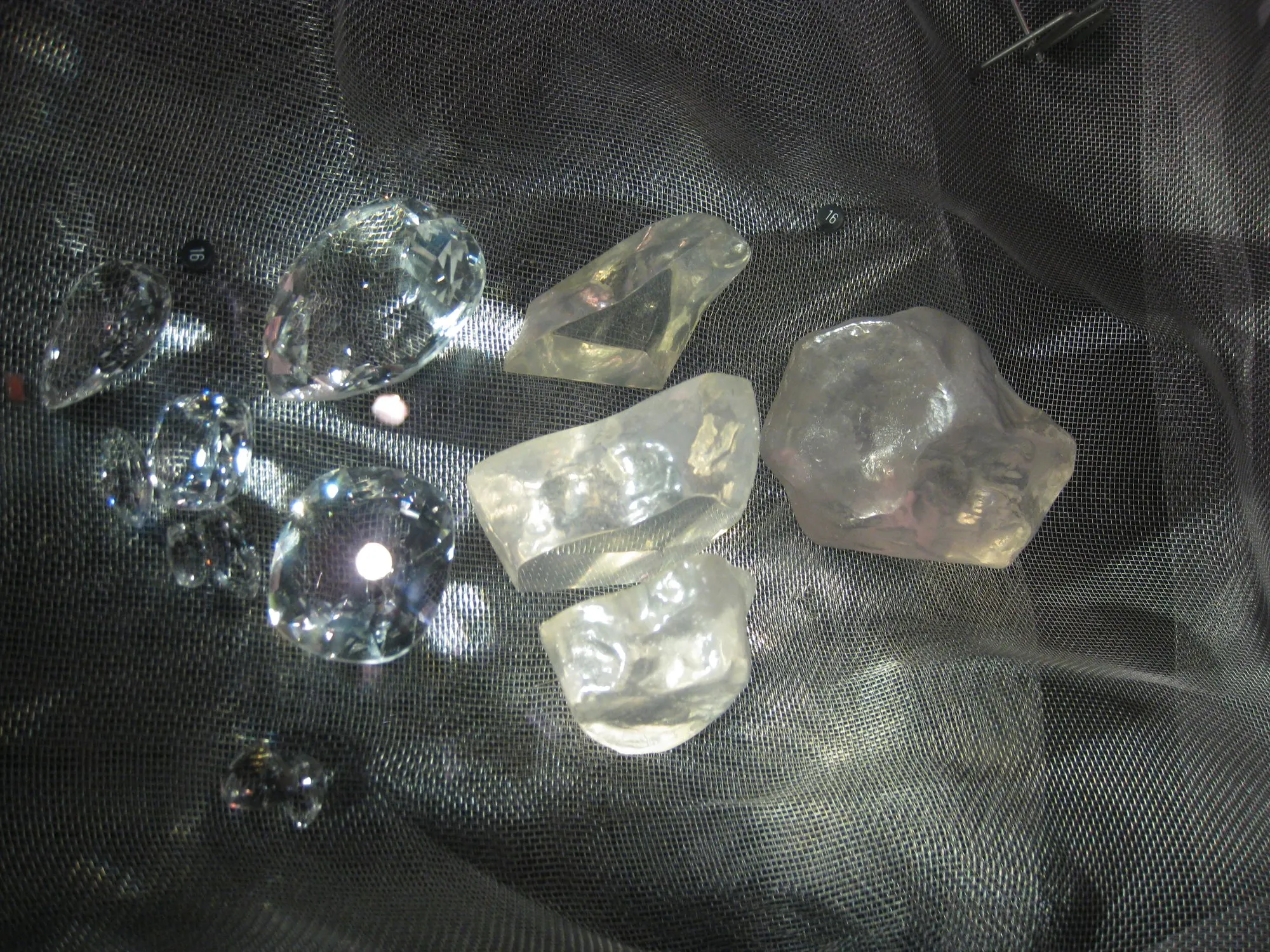
Since 1910, Cullinan I, known as the Great Star of Africa, has set the pinnacle of the Sovereign’s Sceptre with Cross, in a removable setting that allows it to be worn as a brooch. Cullinan II adorns the band of the Imperial State Crown. Cullinan III and IV (94.4 and 63.6 carats) form a brooch that Queen Mary frequently wore; in May 2023, Cullinan III, IV and V were set into Queen Camilla’s crown for the coronation.
The giants that actually carry a price tag
If one is looking for the price of the largest diamond in the world actually sold, one must look towards Botswana. The Lesedi La Rona, weighing 1,109 carats and extracted in November 2015 from the Karowe mine, was initially presented at Sotheby’s in London in June 2016, but failed to find a buyer at the expected price. The mining company Lucara eventually sold it for 53 million dollars to the jeweller Graff in September 2017, equivalent to approximately 45 million euros at the exchange rate of the time.
The same mine yielded a rough stone of nearly 2,500 carats in August 2024, named Motswedi, making it the second largest ever discovered after the Cullinan. Lucara reported its sale in 2025, without disclosing the price. As for cut stones, records are driven more by colour than by size: the CTF Pink Star, weighing only 59.60 carats, holds the absolute record at 71.2 million dollars, topping our ranking of the most expensive diamonds in the world.
What is the Cullinan worth today?
No valuation has been published by the Royal Collection Trust, and no insurance policy is known. According to the institution, the Cullinan I remains the largest cut colourless diamond in the world, placing it beyond any market estimate. Like the Koh-i-Noor, it belongs to the Crown and is passed down from reign to reign. The public can admire it in the Jewel House at the Tower of London, set within the sceptre it has adorned for over a century. For other legendary stones, see also the most beautiful famous diamonds in the world.
Prices verified and updated on 13 October 2026. Sources: Royal Collection Trust (records RCIN 31712, 31701 and 2800279), Gemological Institute of America (The Cullinan Diamond Centennial, Gems & Gemology, Summer 2006), Lucara Diamond Corp., Sotheby’s.
← Back to the ranking: The most expensive diamonds in the worldAll luxury records gathered on one page →