

In brief
- Player: LVMH, the world’s leading luxury group, and its flagship Fashion & Leather Goods division.
- Figures: Revenue of 19.1 billion euros in Q1 2026 (-6% reported, +1% organic).
- Locations: An increase in the United States and Asia excluding Japan, contrasting with a decline in Europe.
- Key takeaway: Entry into a cycle of structural normalisation, marking the end of post-pandemic records.
In brief
- Revenue of 19.1 billion euros in the first quarter of 2026, down 6% as reported.
- Organic growth maintained at +1%, slowed by an unfavourable foreign exchange impact of seven points.
- General slowdown in the luxury industry, marking the transition from an overheating cycle to a phase of structural normalisation.
- Flagship Fashion & Leather Goods division experiencing a slight organic decline (-2%), impacted by lower international tourist flows.
- Purchasing behaviours shifting towards restraint, craftsmanship, and a refocus on historic and heritage pieces.
- The Fashion & Leather Goods division recorded a slight organic decline of 2%.
- Reshaping of customer choices in favour of safe bets and heritage pieces.
- Decline in footfall in European department stores due to the slowdown in international traveller flows.
The LVMH group recorded revenue of 19.1 billion euros in the first quarter of 2026, representing a decline of 6% as reported. Behind this figure, impacted by an unfavourable foreign exchange effect of seven points linked to the strength of the euro, organic growth stood at +1%. This slowdown brings an end to a decade of meteoric expansion and confirms the entry of the world’s leading luxury group into a landing phase and structural normalisation.
Following the years of exceptional growth that characterised the immediate post-pandemic period, the high-end sector is undergoing a period of global adjustment. Moderating demand, combined with global economic uncertainties, is redefining the pace of growth for the major Maisons. For the world leader in the sector, this stage does not reflect a fundamental loss of appeal, but rather the end of a catch-up cycle of unprecedented intensity.
- Company: LVMH (Moët Hennessy Louis Vuitton)
- Q1 2026 Revenue: 19.1 billion euros (-6% reported, +1% organic)
- Currency impact: -7 points (weight of the strong euro)
- Flagship division: Fashion & Leather Goods (-2% organic)
- Key regions: Growth in the United States, rebound in Asia excluding Japan, decline in Europe
A currency artifact and geopolitical tensions
The discrepancy observed between reported data and organic growth is mainly explained by the strength of the European single currency against major international billing currencies. The appreciation of the euro creates a negative conversion effect on revenue generated outside the eurozone, distorting the accounting presentation of global sales without indicating a collapse in actual sales volumes on the ground.
Added to this purely currency-related constraint are exogenous geopolitical factors that disrupt consumer habits and travel routes. Instability in the Middle East has had a direct impact on commercial momentum for the quarter, reducing the contribution of a geographical area traditionally vital and dynamic for the luxury trade.
A slowdown linked to currency effects
The result reported by the group is primarily explained by the trajectory of international currencies. The strong euro mechanically weighed on the conversion of sales achieved in the American and Asian markets, masking the underlying stability of commercial activity.
However, this overall dynamic conceals striking geopolitical disparities. The onset of tensions in the Middle East weighed directly on the quarter’s performance, taking away around one point of growth at group level following an otherwise dynamic start to the year in the region.
Currency fluctuations are a recurring factor in managing a diversified international group. Nevertheless, when the reference currency strengthens simultaneously against the US dollar and several major Asian currencies, the mechanical impact on consolidated revenue becomes particularly visible. This accounting artifact masks operational performances which, although decelerating, demonstrate relative resilience in a generally challenging environment.
Stock market trajectory and the end of an exceptional cycle
The slowdown noted at the beginning of 2026 is a continuation of a shift that began two years earlier. Following the exceptional period observed between 2021 and 2023, the group led by Bernard Arnault saw its sales dip as early as 2024, marking the sector’s first notable shift since the 2008 financial crisis.
During this same sequence, the parent company’s net profit dropped below the 13 billion euro mark, compared with nearly 16 billion euros at the peak of the post-pandemic cycle. This stock market adjustment resulted in a reshaping of valuations, illustrating the transition from an overheating phase to a more measured pace of activity.
Over the past decade, the luxury sector benefited from powerful growth drivers, propelled by the emergence of a vast upper-middle class in emerging markets and an unprecedented global enthusiasm for haute couture and prestige leather goods. Reaching historic valuation levels in the post-health crisis years gradually gave way to a refocusing of investor expectations. The adjustment in share prices now reflects the integration of a more moderate growth scenario, in line with the sector’s long-term historical averages.
The measured decline of the Fashion & Leather Goods division
The Fashion & Leather Goods division suffered an organic decline of 2%, a measured but significant movement for the company’s primary profit driver. This shift reflects a change in attitude among a portion of aspirational customers in response to price increases on luxury goods in recent years, as well as shifts in global tourist travel patterns.
The resilience of this key division relies on the intact desirability of its flagship Maisons. However, heightened consumer sensitivity to economic shifts necessitates finer management of inventory, distribution, and collection launch schedules to preserve the exclusivity and perceived value of products.
Contrasts in performance across divisions and regions
A central pillar of the group’s business model, accounting for roughly half of overall revenue, the Fashion & Leather Goods division posted an organic drop of 2% over the quarter. This evolution is explained by a combination of geopolitical uncertainties and falling international tourist flows.
Geographically, the United States continues steady growth, while Asia excluding Japan consolidates the recovery begun at the end of 2025. In Europe, business suffered directly from the slowdown in Chinese and American travellers visiting department stores and prestige boutiques.
The global sales map highlights diverging trajectories. The North American market showed reassuring strength, sustained by loyal local demand. In Asia excluding Japan, the steady improvement in activity that began at the end of FY 2025 confirms the gradual recovery of local consumption, although it has not immediately returned to previous expansion rates. Conversely, continental Europe suffered from a deficit in purchases made by travelling clientele, traditionally decisive for the commercial balance of major fashion capitals.
The strong comeback of timeless icons
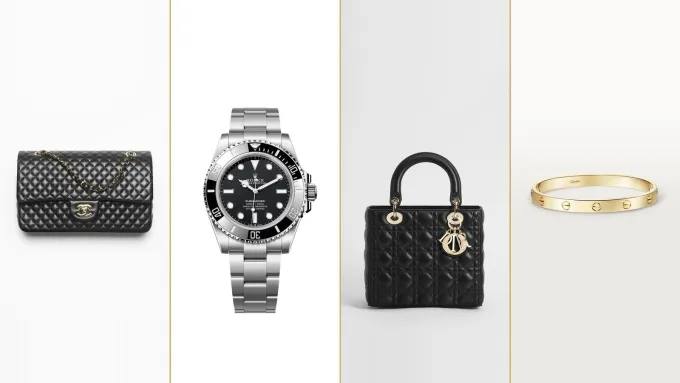
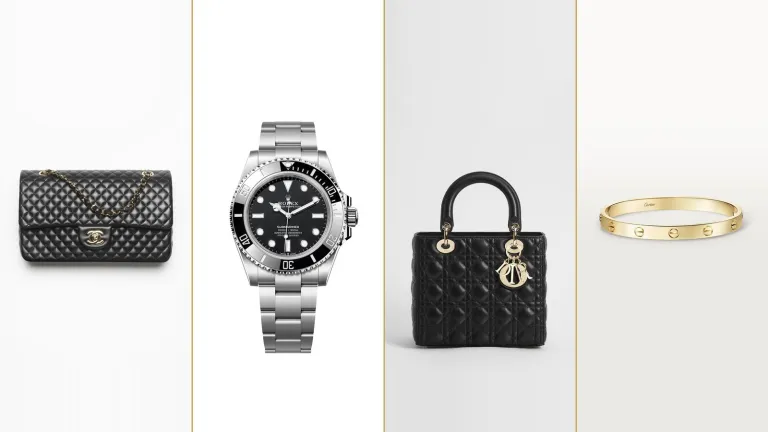
Beyond accounting conditions, the current period highlights a transformation in purchasing behaviours. Customers are moving away from ephemeral novelties to refocus on heritage pieces and historic signatures of the great Maisons.
This direction is reflected in the portfolio’s strategic priorities: Louis Vuitton is celebrating 130 years of its Monogram canvas, while Dior reinterprets its Lady Dior bag. Meanwhile, specialist players such as the Italian Maison Brunello Cucinelli continue to deliver double-digit growth, proving that the pursuit of restraint and craftsmanship remains a robust driver for the sector.
This shift towards what specialists describe as quiet luxury illustrates a buyer quest for longevity. In an uncertain economic climate, discretionary spending is directed towards items perceived as lasting investments or symbols of meticulous craftsmanship. Iconic references, rooted in brand history, benefit fully from this search for authenticity at the expense of more volatile fashion or ephemeral collaborations.
Learning quiet and sustainable growth
Adapting to new market conditions requires executives to reassess traditional growth levers. The moderation of annual price increases means seeking growth through the added value of the customer experience, flawless service quality, and the loyalty of ultra-high-net-worth buyers.
This search for a more measured balance is accompanied by strict capital allocation discipline. Priority is placed on renovating existing locations and continually elevating execution standards across the retail network, rather than driving raw volume increases or proliferating retail space.
Reshaping consumer choices and portfolio management
The normalisation period observed at the start of 2026 also reflects increased selectivity among high-end clients. The global price increases seen across the sector in recent years have gradually prompted customers to favour Maisons with indisputable historic roots and unique artisanal expertise.
Faced with this shift, the brand portfolio’s diversity serves as a major asset. Brands that succeed in reconciling tradition and cultural relevance stand out, while segments more exposed to passing trends must adjust their offerings. A focus on permanent pieces allows Maisons to maintain their desirability while securing operational margins.
Towards a new paradigm of quiet growth
This maturity phase demands an operational paradigm shift from leadership teams. The luxury industry is now learning to navigate its activities in a context of moderate growth, stepping away from frantic boutique opening policies and systematic price hikes.
Business conduct takes place in a global environment marked by geopolitical uncertainties and recurring currency volatility. For the global giant of the creative industry, the objective now is to demonstrate the sustainability of its business model to financial markets accustomed to peak performances.
Steering a group of LVMH’s scale in this new era relies on strict operational cost control and a long-term strategic vision. Moving away from double-digit growth rates in favour of more measured development is the key to strengthened resilience when facing fluctuations in global economic cycles.