

In brief
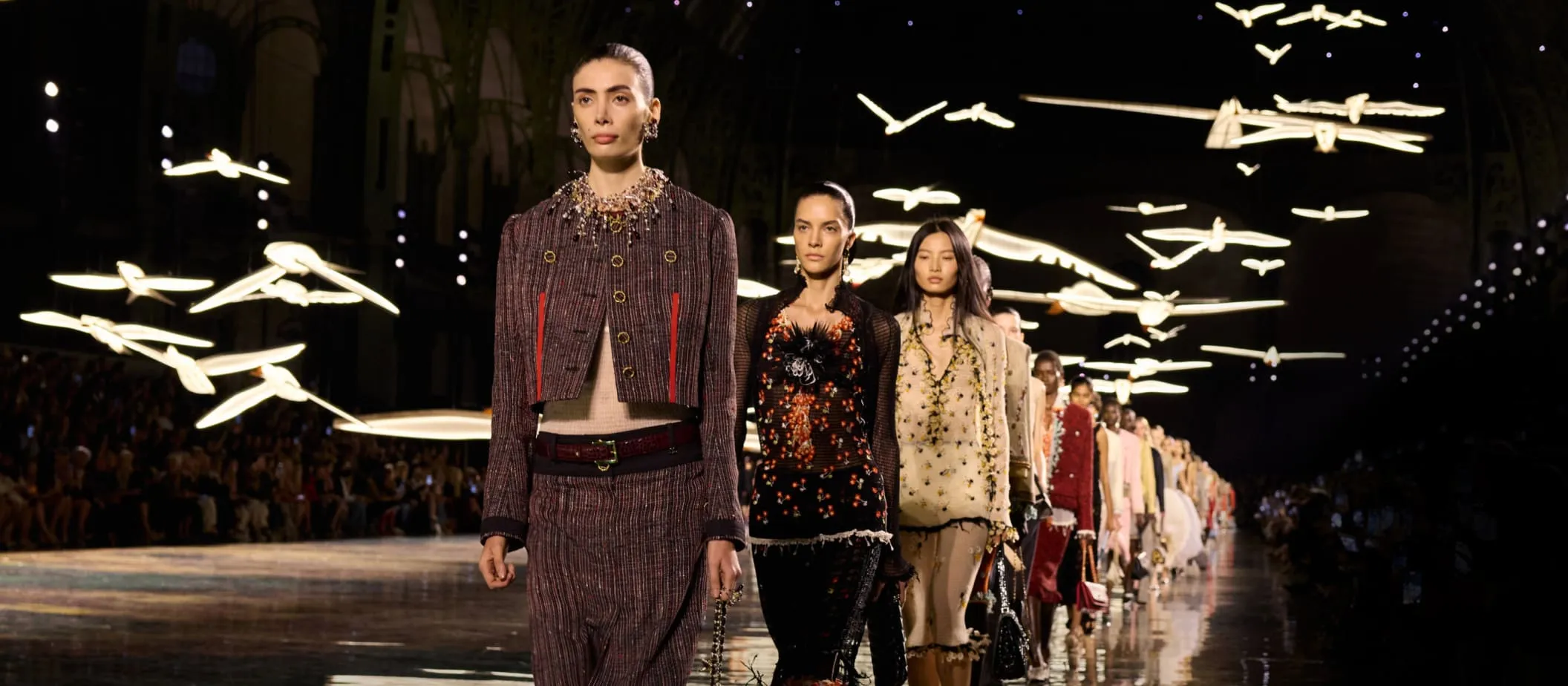
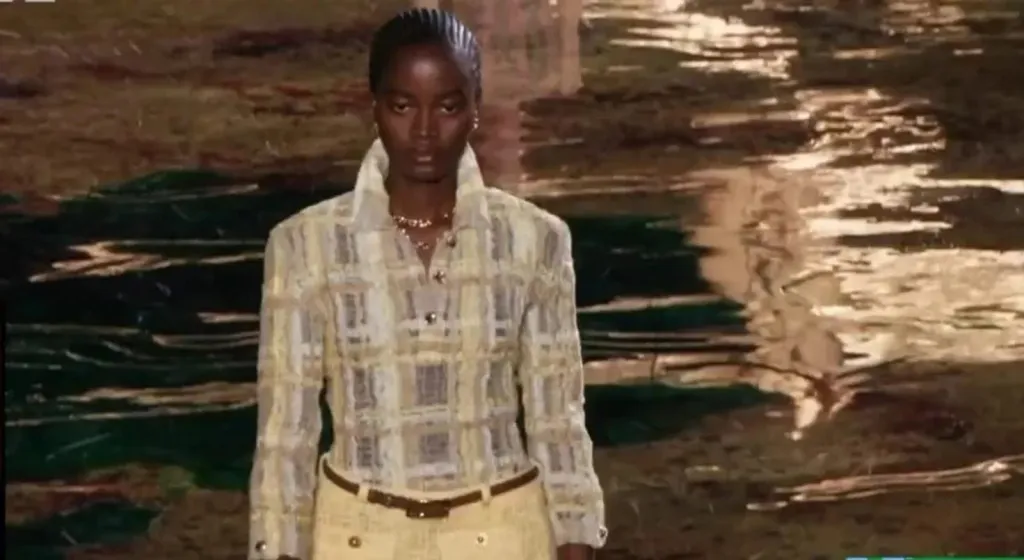
- Inaugural fashion show for Nigerian model Rachel Ojuromi under the glass roofs of the maison Chanel at the Grand Palais on 5 October 2026 during Paris Fashion Week.
- Growing audience on the Giverachelashot Instagram account exceeding 350,000 followers thanks to short, self-produced videos shot directly in Lagos.
- Co-founding of The Process Africa platform to support young artistic creation on the African continent in the fields of fashion, visual art and cinema.
A historic runway show in the heart of the fashion capital
Nigerian model Rachel Ojuromi made her debut on the Chanel runway on 5 October 2026 at the Grand Palais, marking a symbolic milestone for the young woman who rose to prominence on social media. During the presentation of the Spring/Summer 2027 collection designed by Matthieu Blazy, creative director of the maison, she walked in front of an audience of international figures after gaining recognition through self-produced videos in the streets of her hometown. This event, which features on the official Paris Fashion Week calendar, reaffirms the ability of the prestigious Parisian monument, the Grand Palais, to serve as the stage for the most anticipated presentations in haute couture and luxury ready-to-wear.
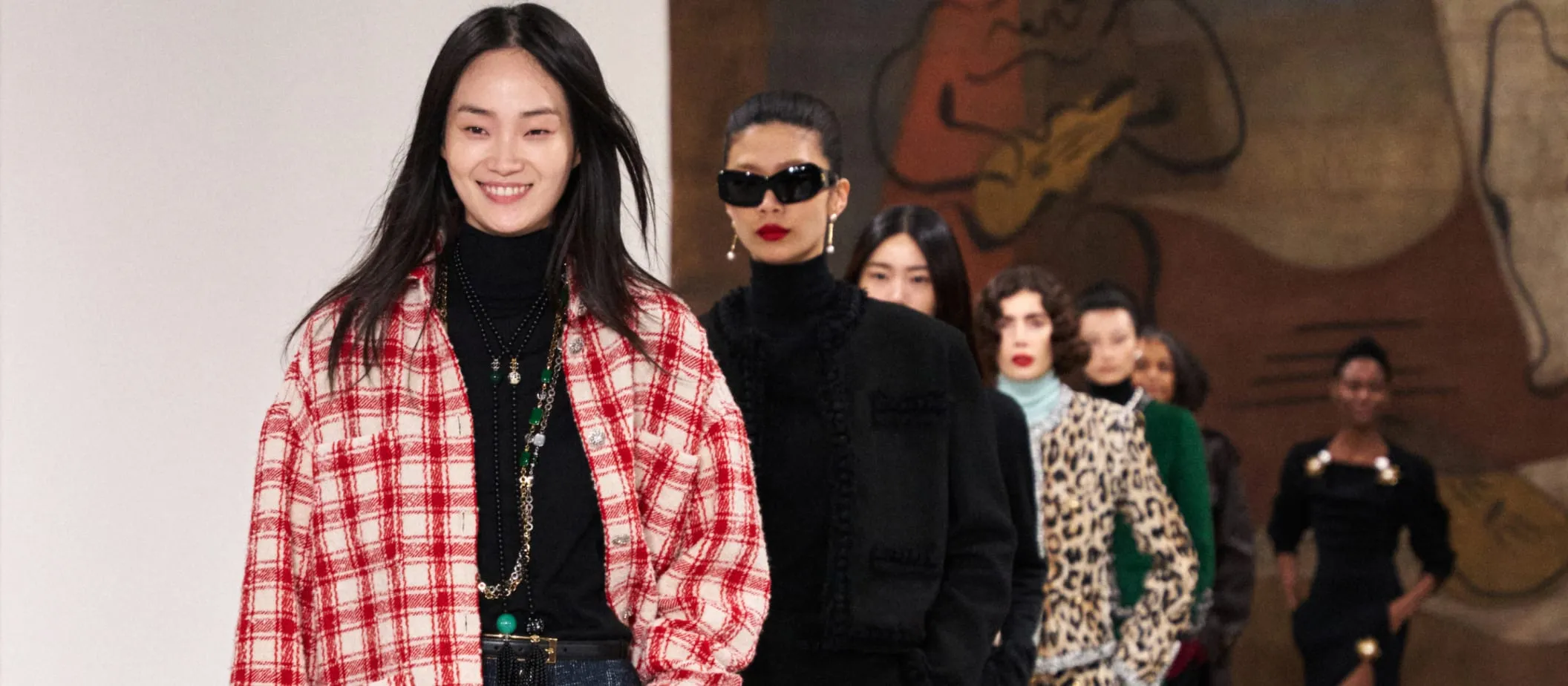
For the maison on Rue Cambon, this highlight of Paris Fashion Week represents a key moment of the season. The appearance of models with non-traditional backgrounds on the runway illustrates the ongoing evolution of casting criteria within major European luxury houses. The presence of the young Nigerian alongside international professional models reflects a decisive step in her career, bringing together independent digital creation born in West Africa and the centuries-old prestige of Parisian fashion.
A raw aesthetic rooted in the daily life of Lagos
To highlight her outfits, Rachel Ojuromi favoured an urban setting directly opposed to traditional fashion sets and studios. Busy markets, neighbourhood shops and the flow of traffic form the backdrop to her clips, where she can be seen running errands or carrying a basket of bananas on her head in carefully curated outfits. Her Instagram account, named Giverachelashot, now boasts over 350,000 followers drawn to this singular visual approach that captures the spontaneous energy of the Nigerian metropolis.
By choosing the street as her natural runway, the young woman breaks traditional fashion photography codes. Her videos do not seek to mask the reality of Lagos’s urban landscape, but instead use it as a powerful element of contrast with the refined elegance of her clothing. This visual confrontation between the everyday environment of working-class neighbourhoods and a regal posture has contributed significantly to the viral success of her content on global digital platforms, attracting an audience of fashion enthusiasts far beyond the borders of Nigeria.
The attention of creative director Matthieu Blazy
This digital visibility ultimately caught the direct attention of Chanel’s creative direction. Intrigued by the virality of the clips, Matthieu Blazy got in touch with the young woman after noticing her videos on Instagram, initiating steps to invite her to participate in the Parisian show at the Grand Palais. The designer’s trained eye recognized a unique authenticity and sense of poise in these independent productions, capable of integrating seamlessly into the world of French haute couture.
A few months earlier, the model had already paid tribute to the haute couture house by reinterpreting silhouettes from the Métiers d’Art 2026 collection. She recreated these looks using second-hand pieces sourced in Lagos, prompting a first interaction from the designer under her post. This bold initiative demonstrated a great mastery of volumes, textures and colour combinations, proving that it was possible to replicate the spirit of Parisian luxury using local resources and a healthy dose of stylistic ingenuity.

A four-handed collaboration between vintage and streetwear
From independent styling to the haute couture runways
Rachel Ojuromi’s styling work is created as a duo alongside her best friend, designer Debby Fasingha. Together, they develop compositions combining their personal wardrobes, custom creations and pieces unearthed in local thrift stores. Nearly half of their clothing comes from Yaba Market in Lagos, a central sourcing location in the development of their stylistic identity at the intersection of vintage, streetwear and Y2K aesthetics. This four-handed work stands out through a keen sense of creative upcycling and the reinvention of shapes.
This garment culture takes root in the model’s childhood, passed down by her mother who worked in the textile trade. A creative heritage that now feeds a method based on the simplicity of technical resources and immediate capture. The family legacy of handling fabrics and trading textiles gave the young creator an instinctive sensitivity to materials, cut and drape, fundamental skills that she successfully translated into the era of fast digital content.
Pacing the crowded aisles of Yaba Market, the duo spots forgotten pieces to completely decontextualize them in their videos. The Y2K aesthetic, characterized by the reappropriation of fashion codes from the turn of the 2000s, blends with contemporary streetwear influences to give birth to a resolutely modern look. This ability to transform second-hand clothing into highly desirable ensembles demonstrates the power of independent styling over traditional industrial productions.
Lagos, a new global epicentre of creative effervescence
Rachel Ojuromi’s journey is part of a broader movement positioning the metropolis of Lagos as one of the most dynamic hubs of contemporary creation. Nigeria’s economic capital buzzes with an artistic energy where local youth leverage digital tools to broadcast their own vision of the world, fashion and visual art without relying on traditional Western industry intermediaries.
This cultural dynamism relies on a capacity for constant invention in the face of material constraints. By using the street as their main backdrop and the mobile phone as a production tool, the new generation of Nigerian creators is redefining global standards of creative direction. The model’s success on Instagram perfectly illustrates this dynamic where the authenticity of the message and the singularity of the vision prevail over complex logistical resources.
A commitment to the African creative scene
A strong commitment to the African creative scene
Beyond her personal career, the young woman intends to use her visibility to support emerging creators across the African continent. Rachel Ojuromi founded the platform The Process Africa three years ago to build a structured network of young talent active in fashion, art and cinema. In Lagos, her personal flat serves as a studio and meeting place for this creative community, offering an informal space for work, idea exchange and collaboration for artists seeking exposure.
By creating The Process Africa, the model seeks to build lasting bridges between the continent’s emerging talent and international professional opportunities. The platform aims to provide a support framework to compensate for the lack of development infrastructure available to young local artistic talent. The initiative encourages the pooling of skills, from photography to directing, styling and video production, thereby strengthening the creative autonomy of African artists of her generation.