
In brief
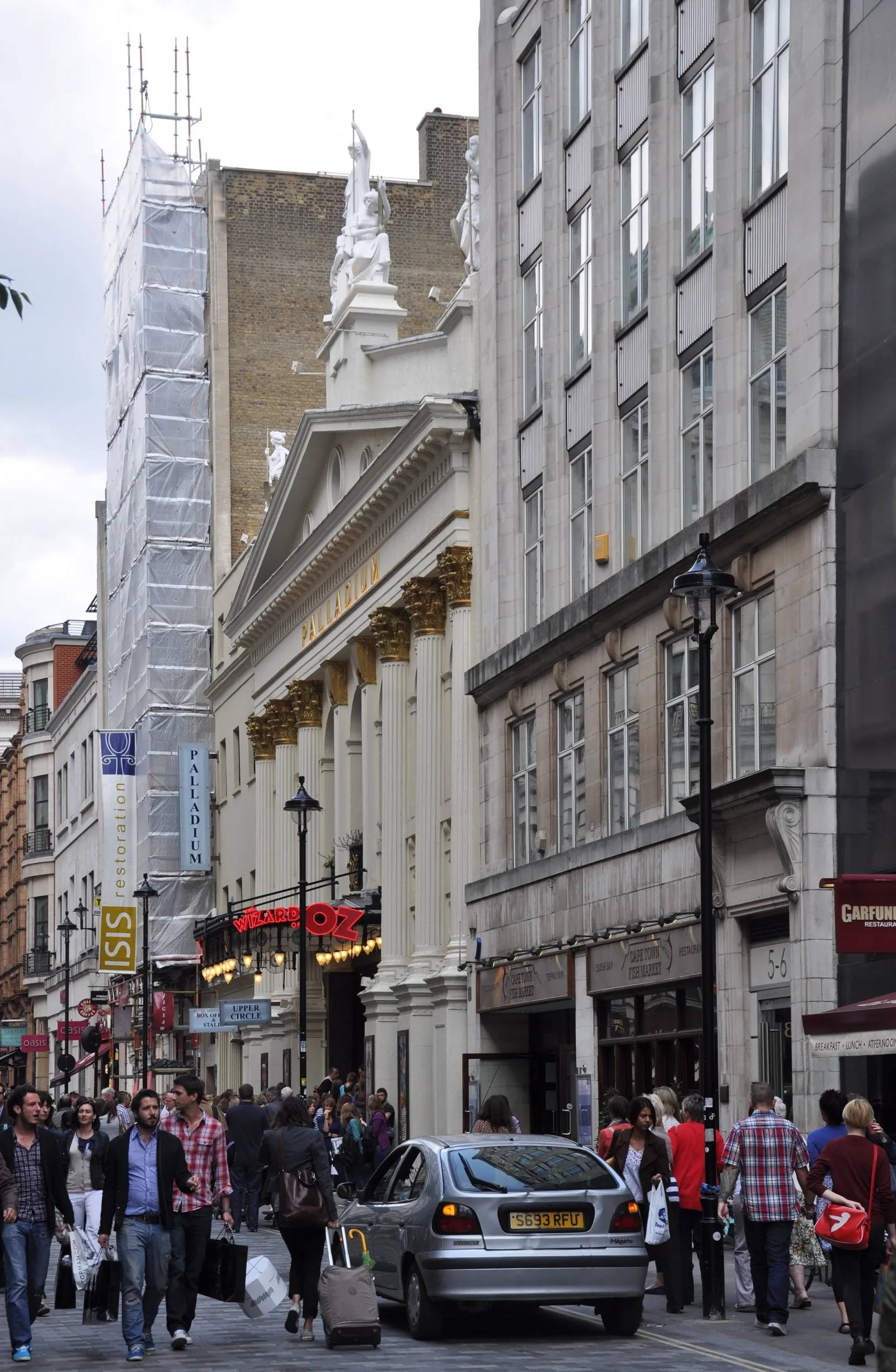
- The 70th Ballon d’Or ceremony will take place on Monday 26 October 2026 at the London Palladium, in London (9pm Paris time). The trophy has no official price tag: it is not for sale and is crafted solely for its winner.
- Since 1956, it has emerged from the workshop of the house of Mellerio, at 9, rue de la Paix in Paris, as indicated by the maison itself.
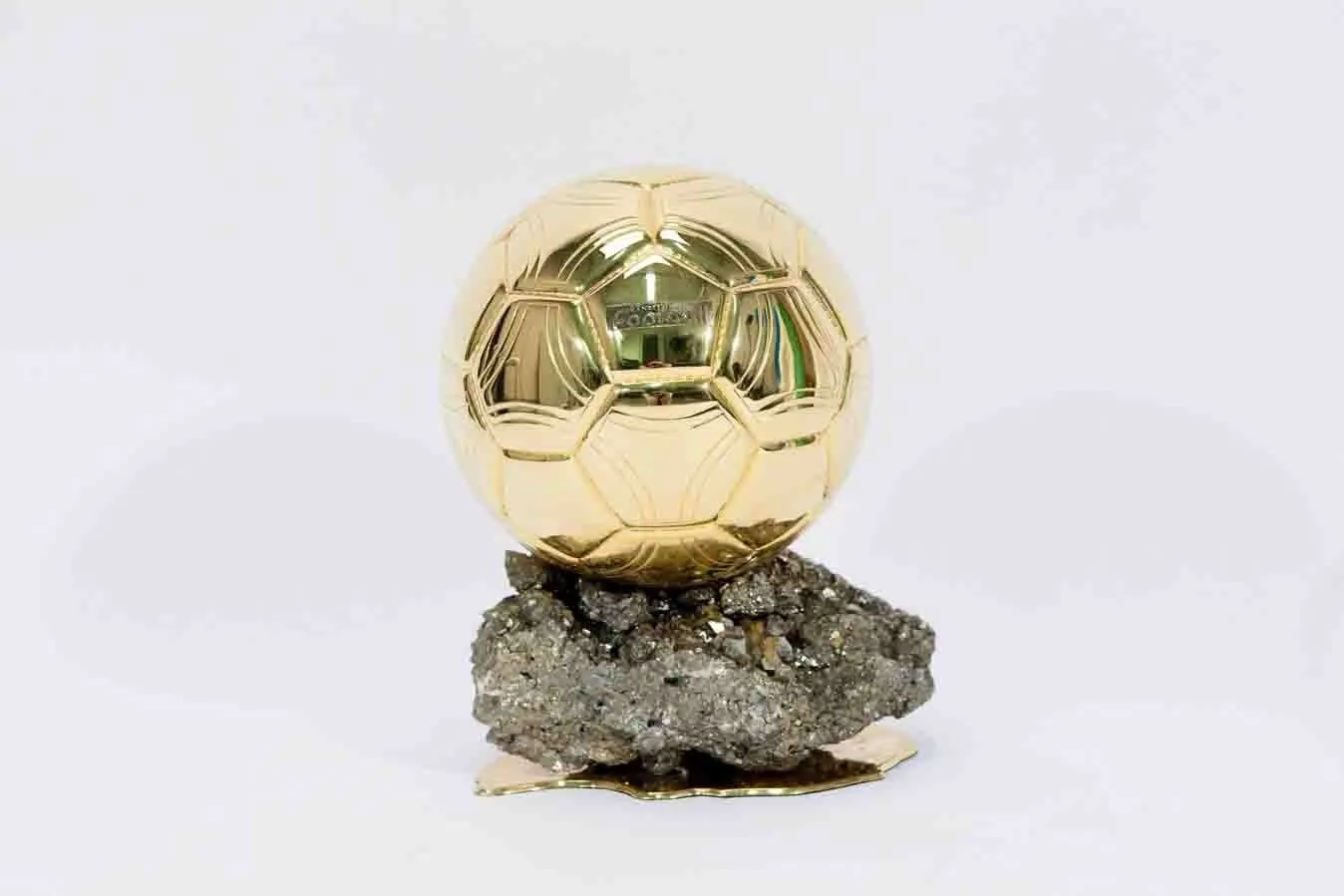
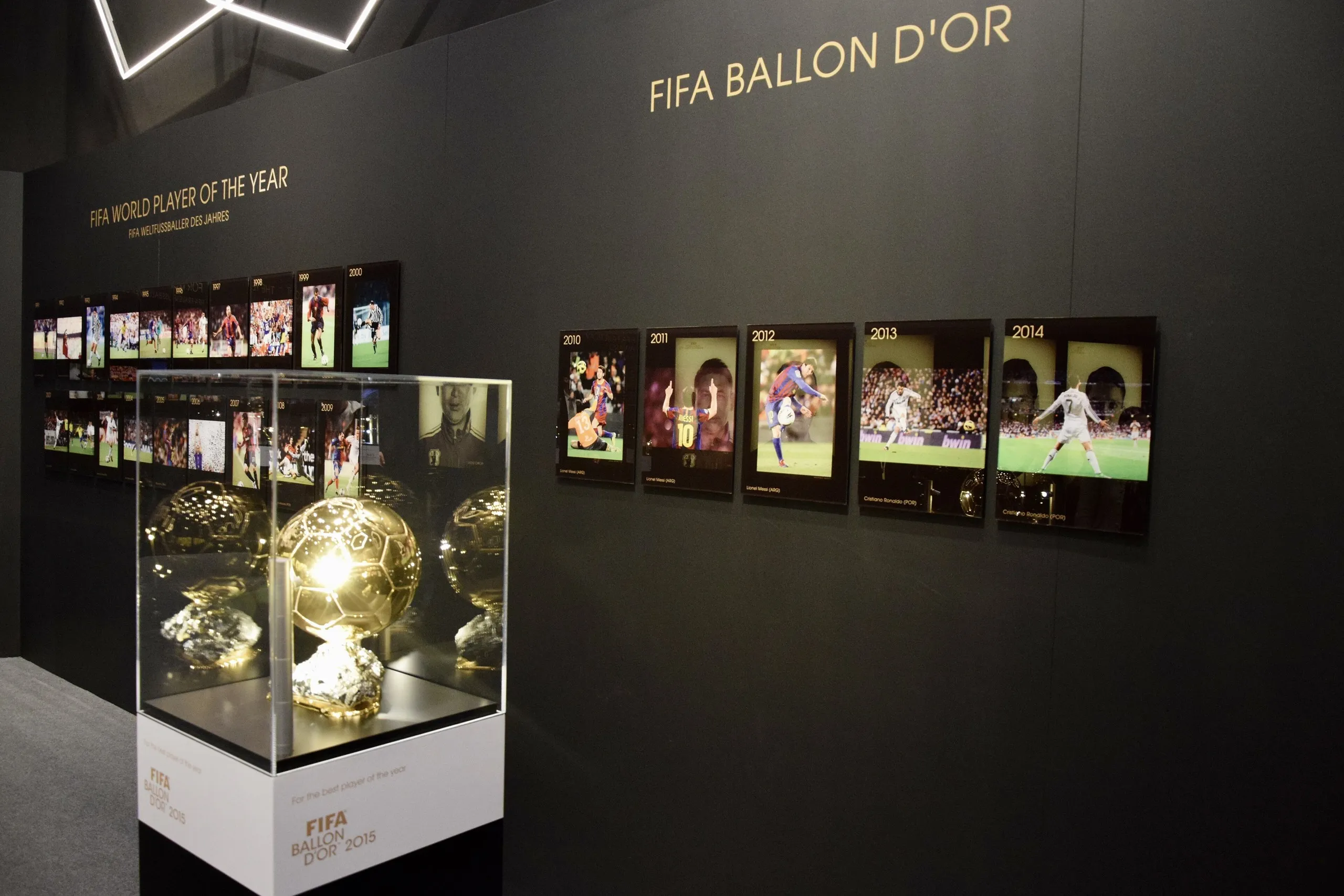
- It is not solid gold: two soldered brass hemispheres, chased and then dipped in a gold bath, mounted on a block of pyrite. It requires nearly a hundred hours of work, starting six months before delivery.
- The only known price point remains charitable: in October 2017, a replica of Cristiano Ronaldo’s 2013 Ballon d’Or was auctioned for €600,000 to benefit the Make-A-Wish foundation.
- Swiss watchmaker Vanguart is among the sponsors featured on the official website. Among the 30 nominees, Kylian Mbappé is an ambassador for Hublot and Erling Haaland for Breitling.
A golden sphere resting on a rock with metallic glints: the Ballon d’Or is undoubtedly the most photographed individual trophy in sport. On Monday 26 October 2026, for its 70th edition, it will leave Paris for the London Palladium, paying tribute to its very first winner, Englishman Stanley Matthews. One question returns every autumn: how much is this trophy worth? The answer lies less in the metal than in the hands that shape it, those of a Parisian jewellery house.
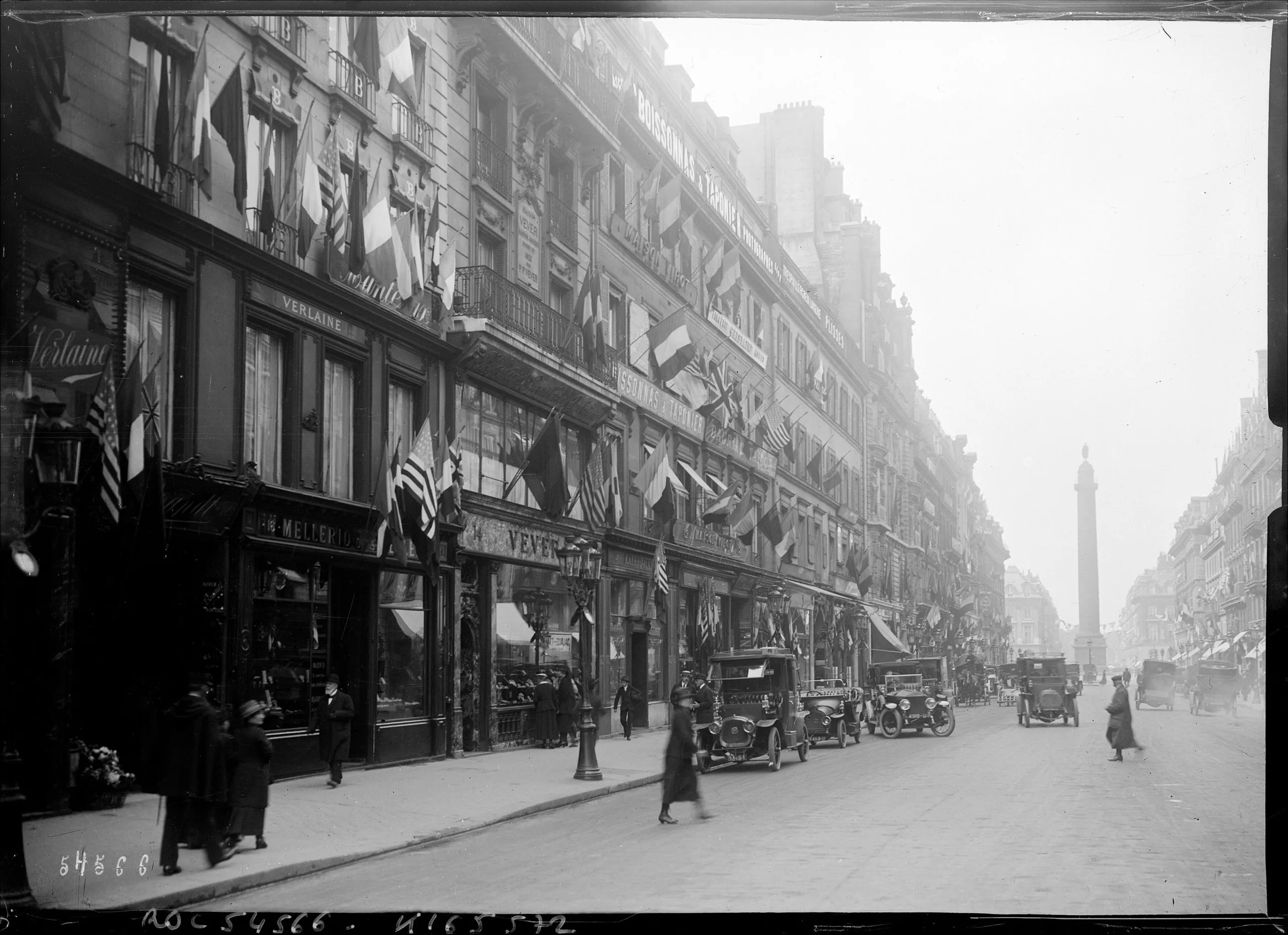
Mellerio, the silversmith of rue de la Paix
The Ballon d’Or was born from a commission. According to Mellerio, the newspaper L’Équipe, already a client of the maison, asked it in 1956 to create a trophy to reward the best European player of the year. Since that date, every Ballon d’Or has been crafted in the workshop at 9, rue de la Paix. The house was originally a silversmith: its founders, arriving from Italy, settled in France as early as 1515 and sold silver boxes and snuffboxes to the Royal Court.
Mellerio, which presents itself as the world’s oldest family-owned and independent jeweller, also crafts other French sporting trophies. It cites the Chausson d’Or as early as 1955, and the Roland-Garros trophies since 1981, which we reported on this spring. The maison is currently headed by Laure-Isabelle Mellerio, the fourteenth generation of the family.
Brass, gold bath and pyrite: the recipe
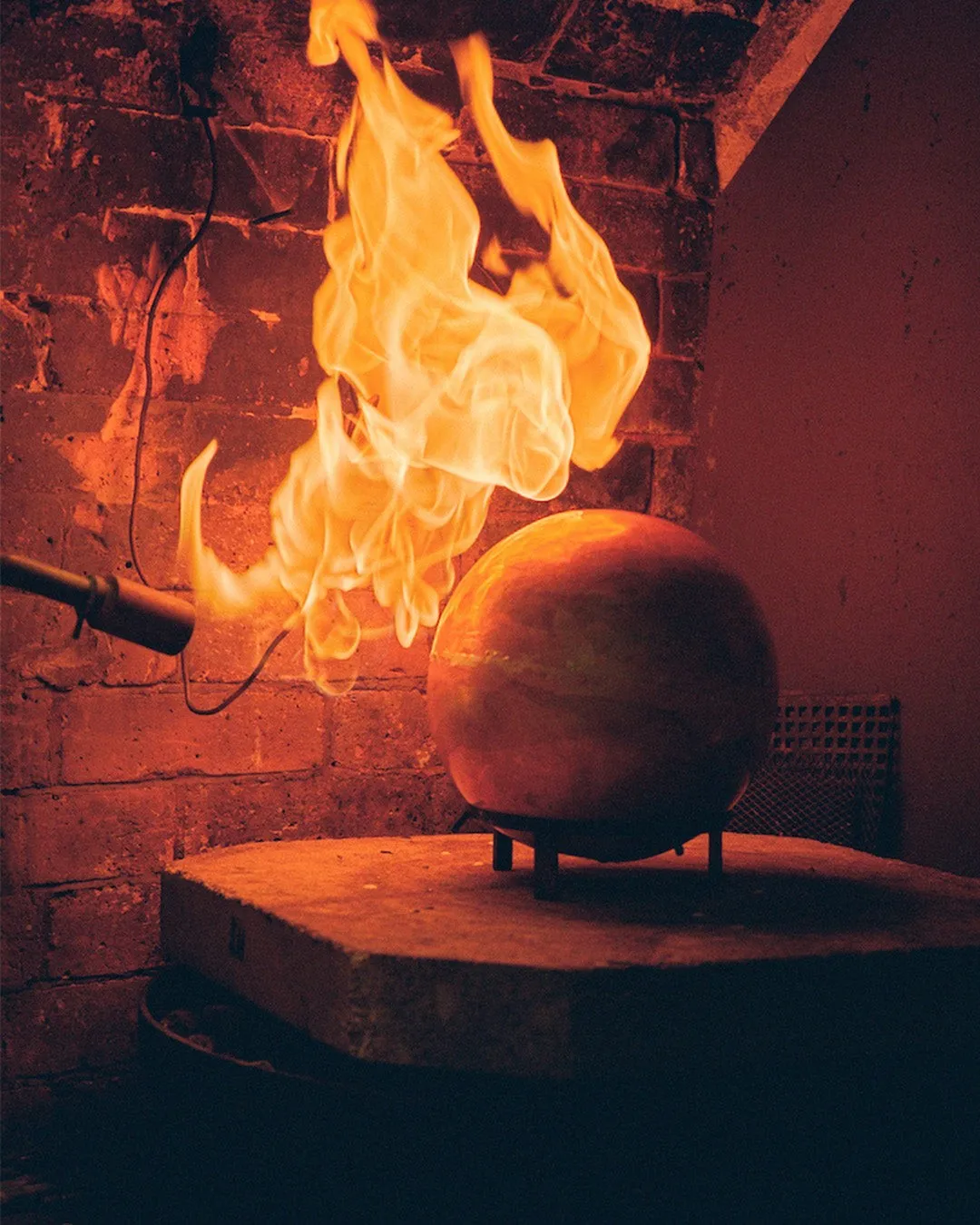
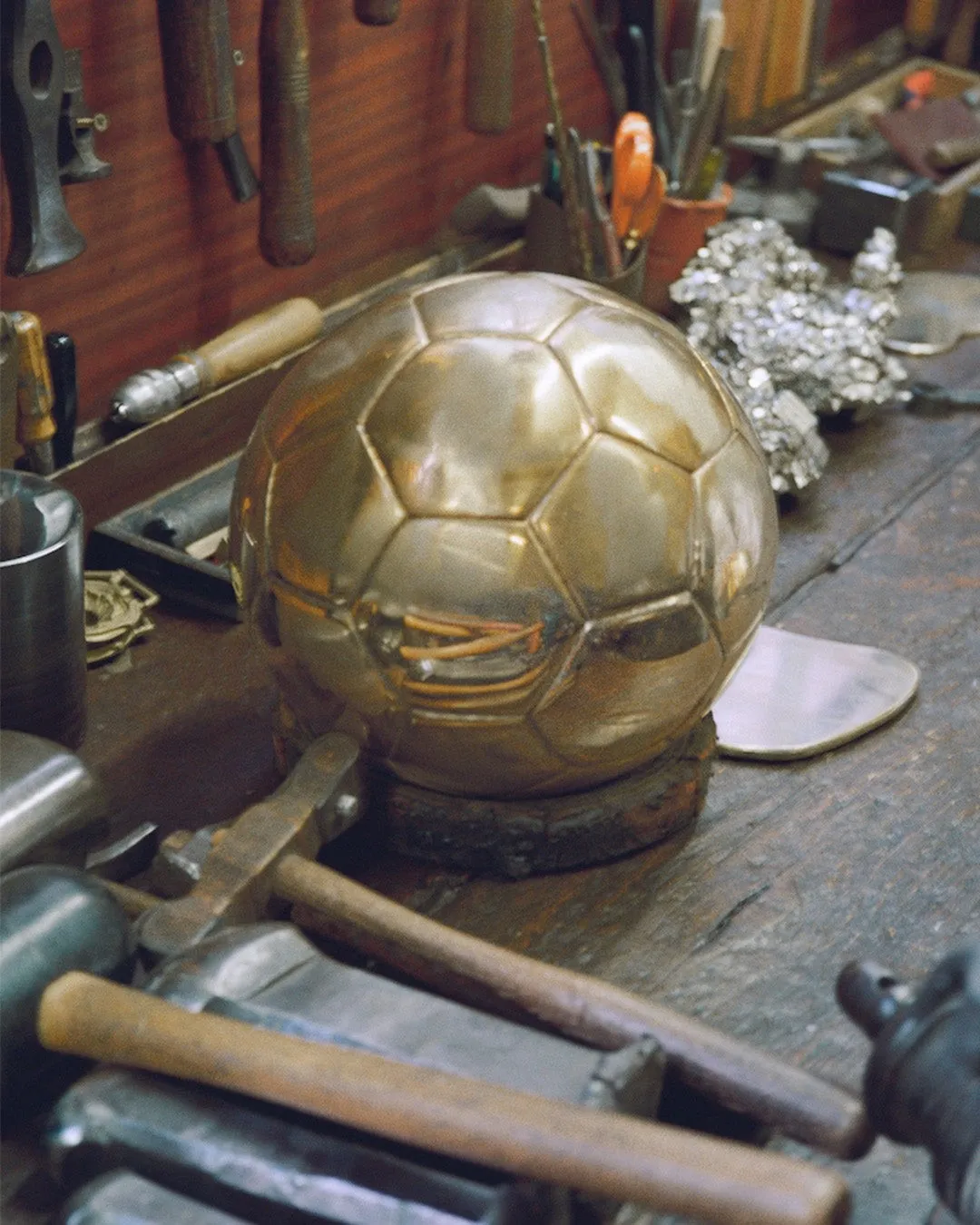
First element of the answer regarding “how much”: the Ballon d’Or is not solid gold. According to the description published by Mellerio, the silversmith first solders two brass hemispheres, then cuts an opening to allow the ball to be set onto its base. The chaser then fills the sphere with a material called “cement” and repoussés the metal along a pre-marked outline to make the seams appear. Recreating the thirty-two panels of a football identically takes about fifteen hours on its own.
Next come the polisher, then the engraver, who hand-engraves the France Football logo and the edition year. The ball is then immersed in a gold bath before returning to the silversmith for the final assembly on a block of pyrite. This mineral is selected by the house’s gem expert, then levelled by a glyptician to fit seamlessly against the gilded brass plate supporting the entire trophy. According to Mellerio, each base is unique and the process has remained unchanged since 1956: nearly a hundred hours of work, beginning six months prior to delivery.
How much does it weigh? Neither Mellerio nor the organisers publish its weight or dimensions. The figures circulating, around ten to fifteen kilograms depending on whether or not the base is included, are not confirmed by any official source.
Seventy years of history on display
The first Ballon d’Or was awarded on 18 December 1956 to Stanley Matthews, a 41-year-old Blackpool winger, who remains the oldest winner, as recalled by the trophy’s official site. Originally reserved for European footballers, it opened up in 1995 to any player active in Europe, and in 2007 to players worldwide, according to notes from the Musée national du sport. From 2010 to 2015, it merged with FIFA’s accolade under the name FIFA Ballon d’Or, before returning to being solely France Football’s trophy. A women’s Ballon d’Or has been awarded since 2018, and since 2024, the honour has been co-organised by France Football and UEFA.
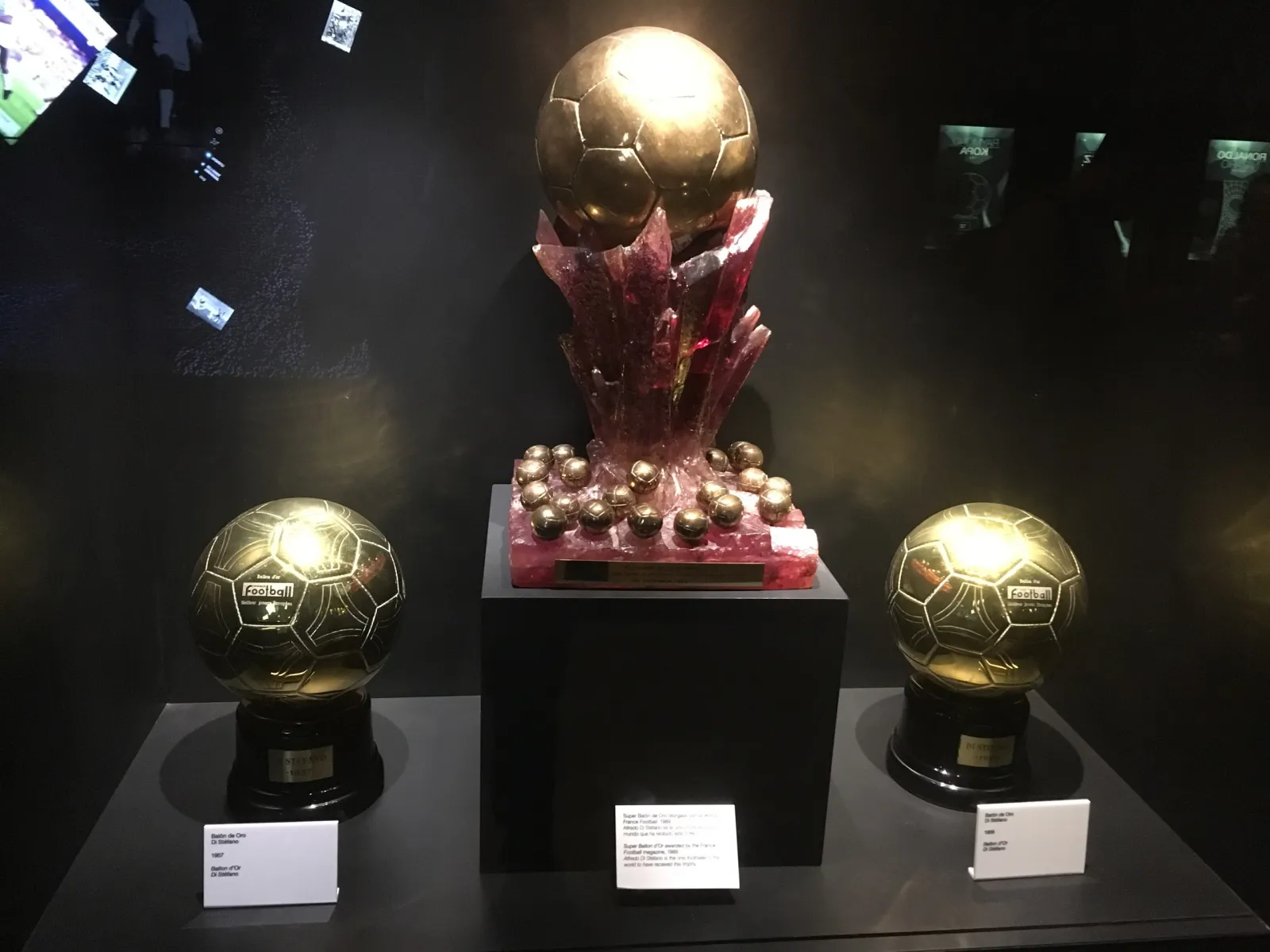
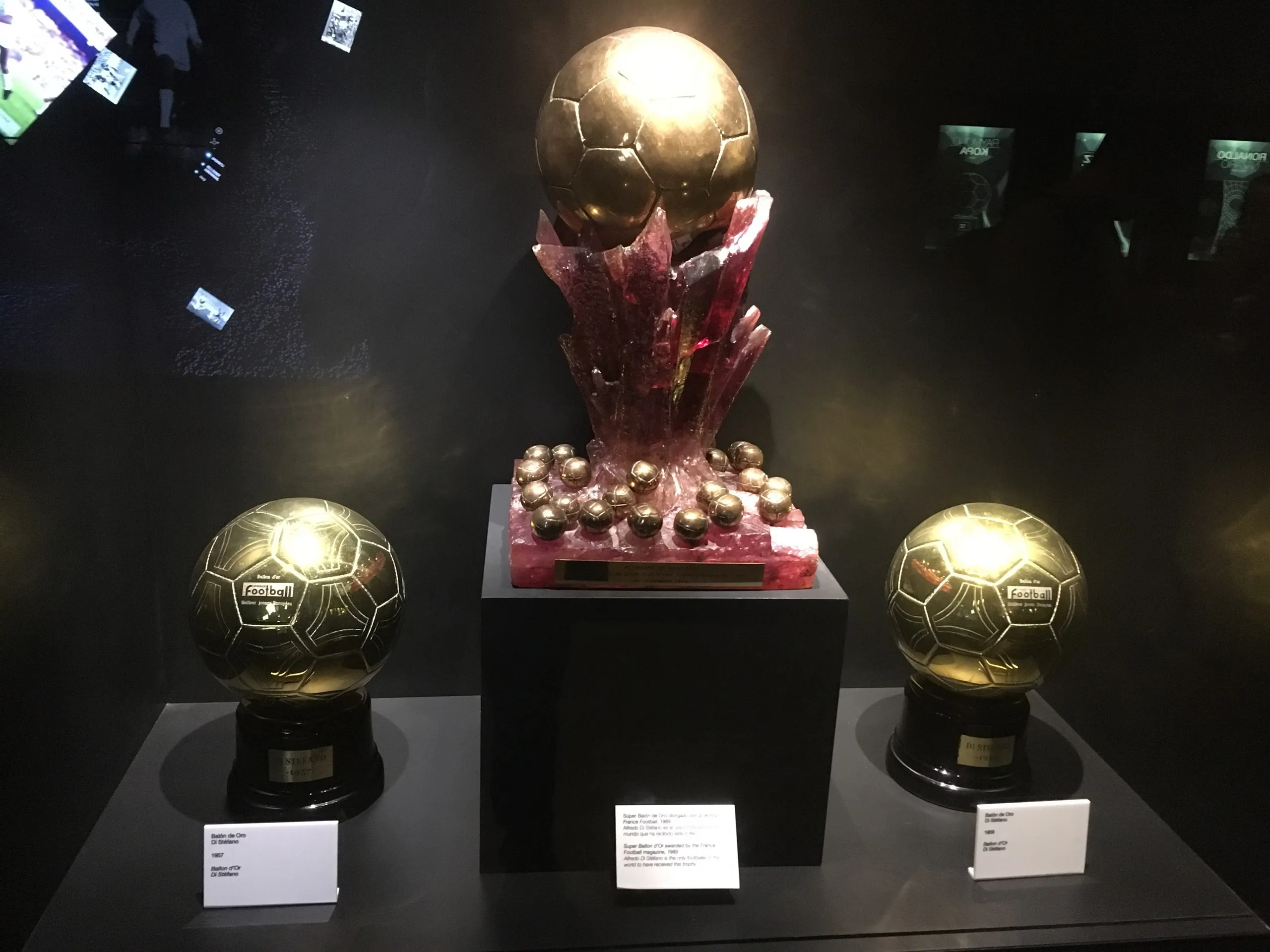
The trophies have become museum pieces. The rarest remains the Super Ballon d’Or, a one-off piece awarded in 1989 to Alfredo Di Stéfano. It is on display at the Real Madrid museum between the Argentine’s two Ballons d’Or, won in 1957 and 1959.
Why the trophy has no price
No auction house or organiser has published an estimate for the Ballon d’Or, and for good reason: no market exists. The trophy is not commercially sold; each piece is engraved for a specific edition and belongs to its recipient. Its value lies in its provenance and craftsmanship, not the weight of the metal. A bit of brass, a thin layer of gold and a block of pyrite reveal nothing about the price a collector might be willing to pay.
The only documented sale remains charitable. In October 2017, a replica of Cristiano Ronaldo’s 2013 Ballon d’Or, donated by the player, was auctioned for €600,000 at the Make-A-Wish foundation’s “Art of Wishes” gala at The Dorchester hotel in London. This amount, inflated by the cause, cannot serve as a commercial estimate. As for the very first trophy, Stanley Matthews’s, it was exhibited from 2015 at the National Football Museum in Manchester. According to his family, it will return there following an abandoned auction project.
Vanguart, the watchmaker of the official showcase
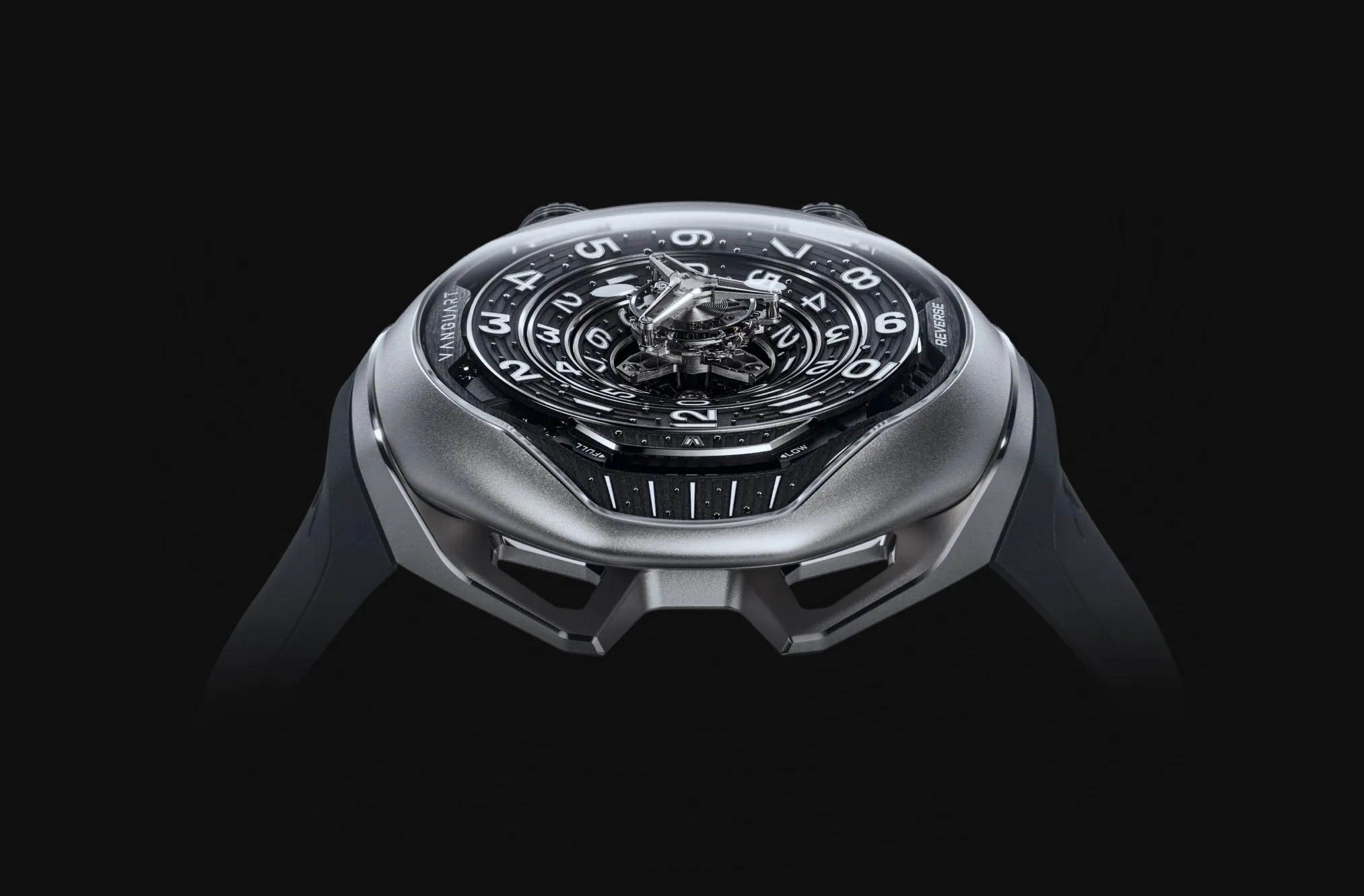
There is no luxury event without a watch. The official website ballondor.com currently displays four sponsors: Adidas, Topps, Hankook and Swiss watchmaker Vanguart, the sole watch house on the list. Vanguart is the young manufacture behind the Black Hole Tourbillon and the Orb, two complication timepieces with futuristic lines. Neither the organiser nor the maison details the exact nature of the partnership (timekeeping, a watch gifted to the winner), so we make no assertions. The brand previously made headlines this summer with seven timepieces commissioned by Sam Altman.
Before it, Geneva watchmaker Purnell, a tourbillon specialist, served as official partner of the Ballon d’Or starting in 2021. It created unique timepieces for the winners of subsequent editions.
Hublot and Breitling on the nominees’ wrists
We note here only ambassador contracts officially announced by the houses. Kylian Mbappé, nominated for the 2026 Ballon d’Or, has been a Hublot ambassador since 2018. In a press release dated 9 September 2025, the maison still presented him as “Hublot ambassador” during the launch of the Classic Fusion Chronograph UEFA Champions League Titanium. This 42 mm titanium chronograph is limited to 100 pieces.
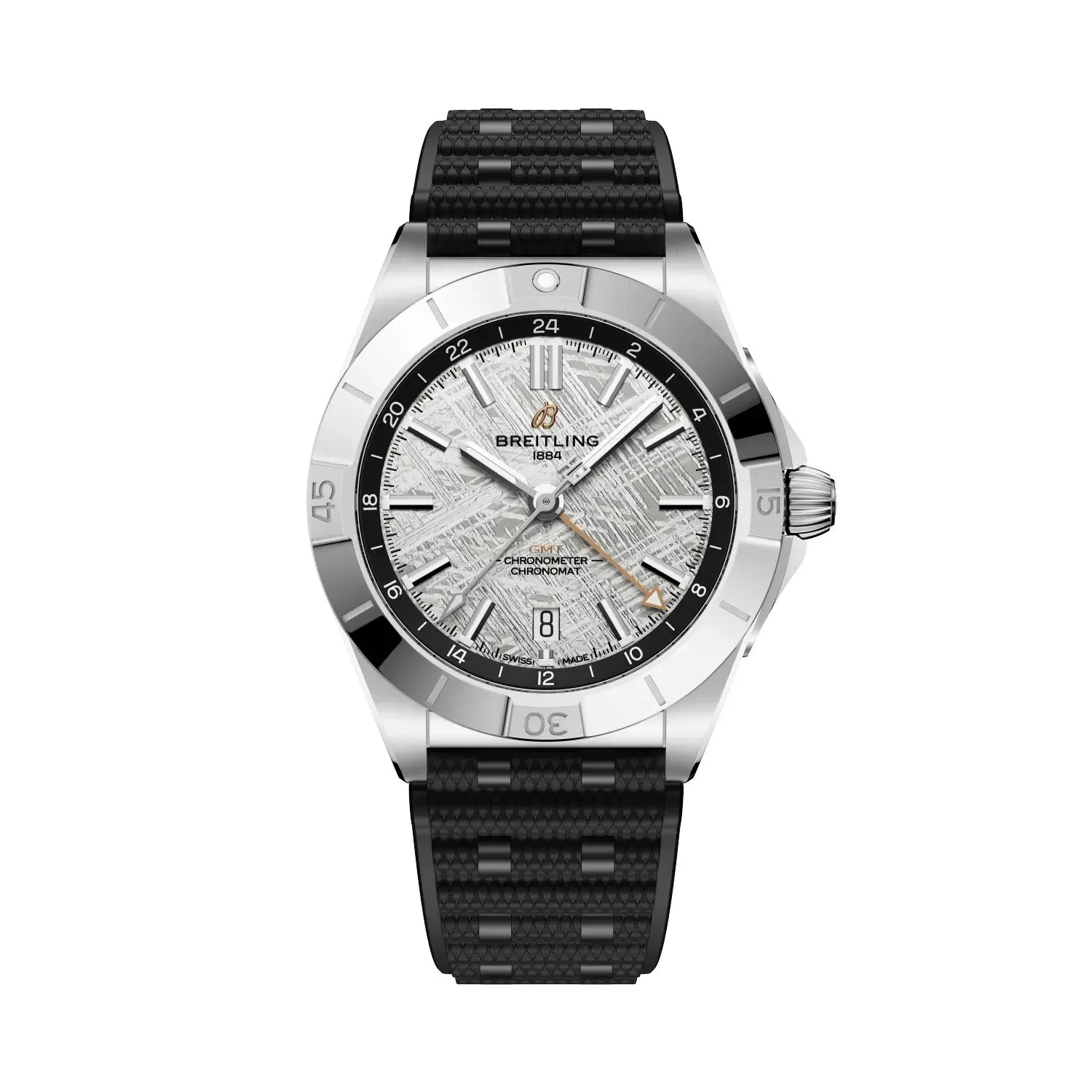
Erling Haaland, also nominated, is a Breitling ambassador. The maison designed a Chronomat with a Muonionalusta meteorite dial alongside him, a first for Breitling. The Chronomat Automatic GMT 40 Erling Haaland, in steel with a platinum bezel, is limited to 500 pieces. Breitling lists it at €9,800 on a rubber strap and €10,200 on a metal Rouleaux bracelet (prices gathered from its French website on 11 October 2026). An 18-carat red gold Chronomat B01 42 version is limited to 250 pieces. For the other nominees, we found no officially announced watch brand ambassador contracts.
London, the Palladium and the schedule
The evening will take place on Monday 26 October 2026 at the London Palladium on Argyll Street. This is the first time the ceremony is being held in London, UEFA notes. The official website indicates that it had been hosted at the Théâtre du Châtelet in Paris since 2019. The red carpet is scheduled from 6pm to 7.40pm London time (7pm to 8.40pm Paris time), followed by the ceremony from 8pm to 10pm (9pm to 11pm Paris time). The winners’ press conference is announced to start at 10.30pm in London. Thirty male players and thirty female players are in contention for the two Ballons d’Or.