

In brief
- The French hotel market generates a turnover of more than 22 billion euros and 220 million overnight stays per year.
- Average RevPAR stands at €85, up thanks to yield management, but profitability is threatened by rising costs.
- The French favour hotels for peace and quiet (53%) and hygiene (76%), but also for a hybrid, eco-responsible experience.
France, global leader in tourism
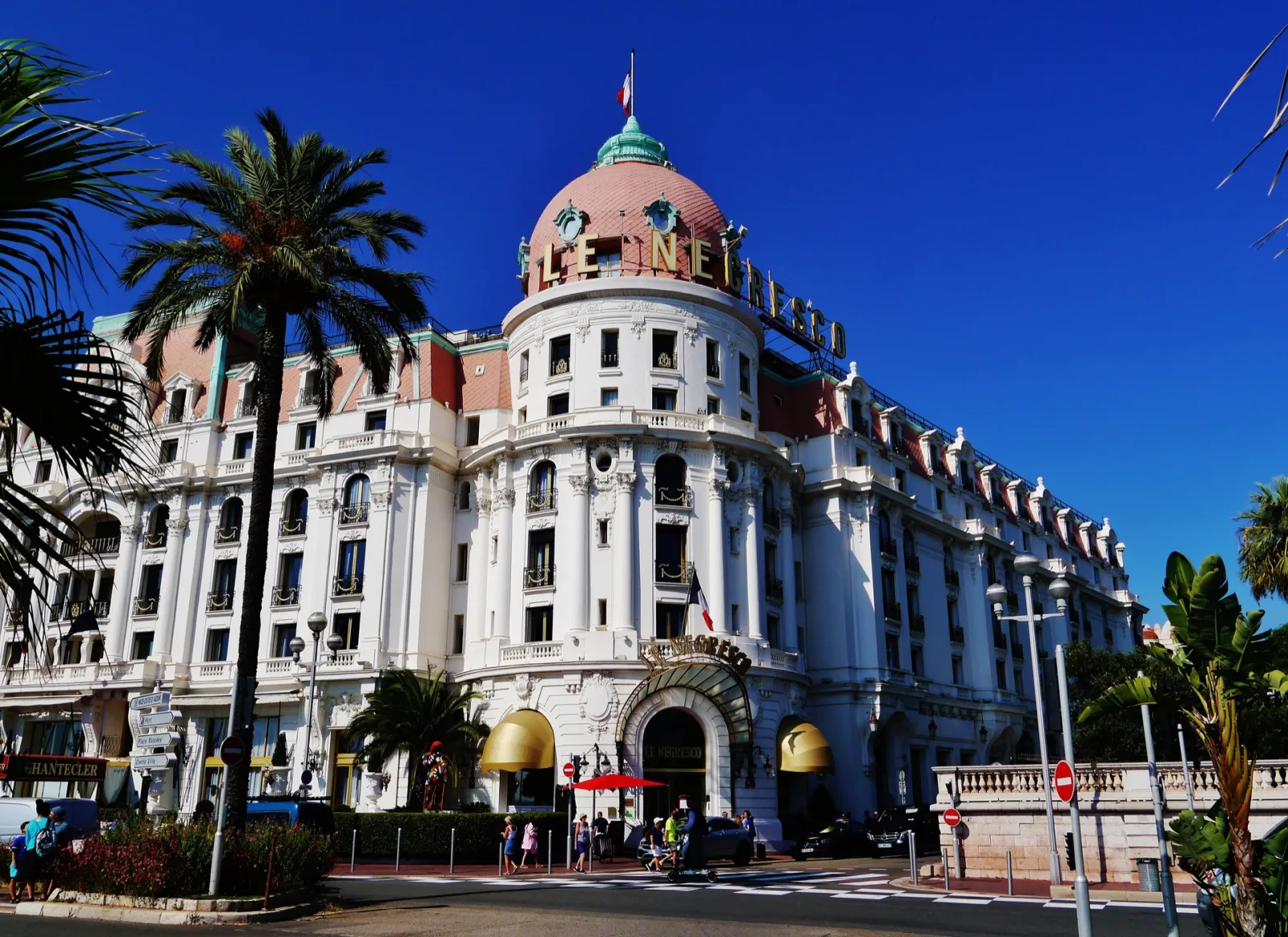
With over 100 million international visitors each year, France remains the world leader in tourism. Yet its hotel sector, a pillar of this economy, is undergoing a period of profound transformation. Amid competition from holiday rentals, rising costs and constantly evolving guest expectations, establishments must reinvent themselves to survive. Here is an overview of a market in full transformation.
A dynamic market under pressure
The French hotel market boasts solid financial performance, with turnover exceeding 22 billion euros and 220 million overnight stays per year. The hotel property stock comprises 16,600 establishments, representing 650,000 rooms, with an average occupancy rate of 67%. However, these figures, which exceed pre-Covid levels, mask significant disparities between urban, coastal and rural areas.
A sector under financial pressure
The sector’s key financial indicator, RevPAR (Revenue Per Available Room), averages €85, rising thanks to dynamic pricing techniques such as yield management. Inspired by airlines and railways, this system enables real-time price adjustments based on demand. However, this profitability is undermined by rising costs: energy and payroll, which account for between 35% and 45% of turnover, weigh heavily on establishments’ margins.
A fragmented hotel landscape: tradition vs modernity
The sector is structured around several models. Integrated chains (Accor, Louvre Hotels, B&B) and voluntary chains (Logis Hôtels) capture half of overnight stays and dominate high-end segments. Conversely, independent hotels, which account for over 80% of establishments, struggle to compete against digital platforms and changing traveller expectations.
The rise of hybrid models
The 4 and 5-star segment is booming, with 340% growth over 15 years. This momentum is driven by international guests with high purchasing power, particularly in major cities and coastal areas. Conversely, unclassified 1 to 2-star establishments, less adapted to modern demands, are declining in number. The average occupancy rate of 67% conceals highly contrasting realities, with significantly higher performance in urban and coastal areas.
The hybridisation of concepts: the hotel as a living space
The rise of hybrid models
To stand out against competition from short-term furnished rentals (Airbnb, Abritel) and tourist residences, traditional hospitality is betting on space hybridisation. Innovative concepts such as Jo&Joe (Accor), Mama Shelter or Eklo redefine the hotel experience by incorporating co-working spaces, restaurants and living areas open 24/7. In Clermont-Ferrand, PIC embodies this trend with a model combining accommodation, dining and professional spaces.
This evolution meets a growing demand from travellers for immersive and versatile experiences. The French now seek establishments capable of adapting to their routines, whether for working, relaxing, or spending time with family or friends. Eco-responsible labels, such as the EU Ecolabel or Green Key (Clé Verte), are also becoming decisive criteria for attracting guests concerned about their environmental impact.
Competition from alternatives: a major challenge
French hospitality is no longer alone in the tourist accommodation market. Three competing sectors carry increasing weight:
- Short-term furnished rentals (Airbnb, Abritel, Gîtes de France): Driven by online platforms, this segment generates 12 to 15 billion euros in turnover and over 170 million overnight stays per year. Its assets? Often more attractive prices, built-in kitchen facilities and local immersion that appeals to families and groups.
- Outdoor hospitality (HPA): With 7,500 establishments and 145 million annual overnight stays, this sector is focusing on upscaling (high-end mobile homes, water parks) to compete directly with 3 and 4-star hotels. Its total economic weight exceeds 30 billion euros when including on-site dining and leisure.
- Tourist residences and holiday villages: Designed for medium-term stays, these properties offer furnished apartments with hotel-like services. Their direct turnover reaches 3.5 to 4 billion euros, and their offer, often located in coastal or mountain areas, appeals to families thanks to included entertainment and services.
Faced with this competition, traditional hospitality highlights its key point-of-difference advantages: 24/7 reception, included breakfasts, daily housekeeping and tailored services. A study conducted by Toluna Harris Interactive for B&B HOTELS reveals that 87% of French people see hotels as a haven of serenity, away from daily life.
What the French really want in 2026
A new study commissioned by B&B HOTELS among 1,022 people paints an unexpected picture of traveller expectations. While peace and quiet (53%) and impeccable hygiene (76%) remain top priorities, the French are also looking for wellness disconnections and shared moments. For 87% of them, spending a night in a hotel is above all a serenity boost, synonymous with letting go and guilt-free indulgence.
The ideal hotel in 2026
The triptych of the ideal hotel in 2026 can be summarised as follows: a gourmet and local morning start (84% of travellers favour short supply chains and French-made produce), an eco-responsible conscience (82% ready to pay more for a committed hotel), and a hybrid neighbourhood hub (78% want spaces open to the city, such as cafeterias converted into co-working spaces). The French also favour hearty, ethical breakfasts where seasonal products and short supply chains take pride of place.
What prospects for the future
To survive, French hospitality must balance profitability, innovation and meaning. The challenges are numerous: cost control, recruitment, adaptation to new customer expectations, and ecological transition. Successful players will be those who manage to create an experience while remaining accessible and aligned with the values of a clientele seeking transparency and authenticity.
In this context, eco-responsible labels and hybrid models (lifestyle hotels, hotel-co-working spaces) could well become the norm. One thing is certain: French hospitality has not said its last word. It is undergoing full transformation, and this ability to reinvent itself will make all the difference in the coming years.
To delve deeper into the challenges facing the hotel sector in France, consult the annual reports of professional federations or industry studies published by specialist firms such as MKG Consulting or STR Global.