

In brief
- Location: Citadelle Vauban on Belle-Île-en-Mer.
- Key players: Accor Group (Emblems Collection brand).
- New addition: The collection’s first French address at the heart of a historic monument.
- Key figures: 90 keys, a 2,000 m² spa, 170 jobs created, and opening in Q2 2027.
In brief
- Establishment of Accor’s Emblems Collection brand at the Citadelle Vauban on Belle-Île-en-Mer.
- An exceptional establishment comprising 90 keys with two restaurants, a bar, a high-end 2,000 m² spa, and a museum space.
- An opening scheduled for the second quarter of 2027, following work initiated in September 2025.
- A strong local impact with over 170 jobs created on the Breton island.
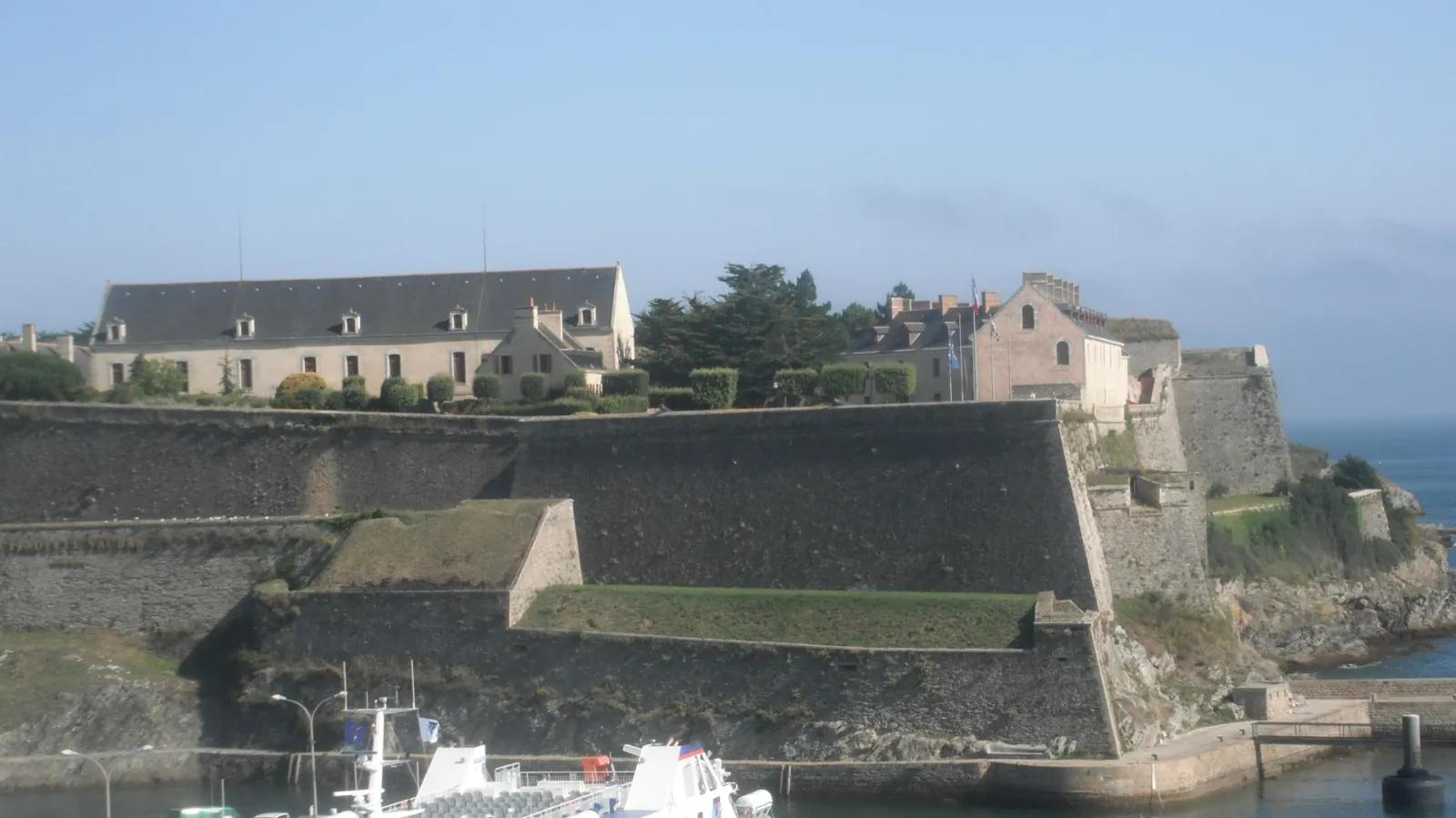
The hotel group is deploying its Accor Emblems Collection brand in France with the transformation of an iconic historic monument on Belle-Île-en-Mer. Classified as a Historic Monument, the Citadelle Vauban is set to become the flagship address of the French group’s high-end portfolio in France, combining haute hôtellerie with the preservation of coastal heritage.
This initiative illustrates the evolution of the global luxury hotel market, where travellers now seek establishments with a genuine cultural identity and historical depth. By investing in such an iconic island monument, the French hospitality leader reaffirms its commitment to reconciling the safeguarding of major heritage sites with the standards of international high hospitality. This major project demonstrates the hotel sector’s ability to reinvent centuries-old buildings without altering their authenticity or historical value.
The Citadelle Vauban as a setting
A historic setting at the Citadelle Vauban
To establish its first French pied-à-terre, the collection has selected one of the most spectacular sites on the Atlantic coast. Positioned on the Breton island, the fortress offers a majestic setting overlooking the ocean. The restoration work, begun in September 2025 and officially presented on-site on 3 July, aims to restore this military architectural ensemble to its full glory while adapting it to contemporary hotel requirements.
The transformation of a fortified site demands a deep respect for the original structure. The regulatory requirements associated with its Historic Monument status frame every phase of the architectural operations, guaranteeing the conservation of the defensive structures, dressed stone, and the building’s unique maritime vistas. Technical interventions aim to discreetly integrate modern amenities into spaces originally designed for military defence, thereby creating a striking contrast between the mineral power of the ramparts and the refined comfort of luxury hospitality.
This major project is part of a global approach to cultural and architectural enhancement. Beyond the residential developments, a museum dedicated to the history of the citadel will be integrated into the complex, meeting the expectations of travellers seeking experiences rooted in the local heritage.
The integration of the museum at the very heart of the hotel complex ensures the transmission of the island’s past. Resident visitors and history enthusiasts alike will be able to discover the multiple stages of the citadel’s construction and evolution over the centuries. This cultural component enriches the overall experience of the venue, transforming the stay into a genuine journey of learning and discovery of the Breton region’s military architectural heritage.
A comprehensive, high-end hotel offering
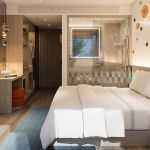
The handover of the establishment is scheduled for the second quarter of 2027. The interior layout provides for a total of 90 keys, including 57 rooms, 24 suites, six duplexes, two apartments, and an independent house. The communal spaces will offer a comprehensive resort experience focused on well-being and gastronomy.
The wide variety of accommodation types on offer meets the diverse expectations of an international luxury clientele. The rooms and suites fit into the historic volumes of the fortress, taking advantage of exceptional ceiling heights and panoramic views of the sea or the inner courtyards. The presence of duplexes, spacious apartments, and an independent house also makes it possible to accommodate families or residents seeking enhanced privacy during extended stays on the island.
An exceptional offering combining well-being and gastronomy
The hotel will house a 2,000 m² well-being area, two restaurants, and a bar. This infrastructure will make it possible to welcome resident guests as well as day visitors in an exceptional setting.
The 2,000 m² spa will be one of the major pillars of the establishment’s treatment and relaxation offering. Designed as an oasis of serenity facing the ocean, this large-scale space responds to the growing enthusiasm of high-end clientele for regenerative and health tourism. The modern facilities will be structured around specialised treatment protocols, taking advantage of the benefits of the sea air and the preserved calm of the island environment to offer a complete escape.
On the gastronomic front, the two restaurants and the bar will showcase the French art de vivre and the richness of Armorican produce. The cuisine will highlight the resources of the sea as well as the region’s market garden produce. By opening these culinary spaces and the bar to the island’s residents as well as external visitors, the hotel aims to become an essential social and tourist hub on Belle-Île-en-Mer.
A major economic driver for Belle-Île
The establishment of the hotel complex is accompanied by strong commitments to the island’s economic fabric. With over 100 permanent staff and nearly 70 seasonal jobs, the address will become the main private employer on Belle-Île-en-Mer. Synergies are also being organised with the region’s economic players.
The social impact of such a project is of crucial importance in an island territory where job sustainability represents a major economic challenge. The creation of over 100 permanent positions will contribute directly to keeping families on the island throughout the year, thereby smoothing out the variations in activity linked to tourist seasonality. The addition of 70 seasonal jobs will, for its part, reinforce hosting capacities during peak periods.
Structuring partnerships will be established with local artisans, producers, and suppliers. This territorial integration aims to maximise direct and indirect economic benefits for the Breton island.
By encouraging short-circuit sourcing from local farmers, fishermen, and artisans, the project fits into a responsible development model. These daily collaborations will allow hotel guests to discover Breton expertise, while stimulating the local economy and reducing the logistical footprint associated with maritime freight transport.
The international momentum of Accor’s Emblems Collection brand
The international expansion of the brand
The announcement of this Breton address is part of the group’s strategic roadmap, which aims to expand its presence in the character luxury segment. The brand first made its mark in the United Kingdom with the opening of Lucknam Park Hotel & Spa in the Cotswolds, a historic 200-hectare estate located near Bath.
This first British establishment laid the foundations for the identity of Accor’s Emblems Collection, a brand that brings together exceptional hotel establishments carefully selected for their historical value, unique architecture, or remarkable geographical location. The conversion of existing prestigious properties allows the brand to offer an exclusive alternative to large standardised hotels, giving each address its own soul and a deep cultural grounding.
The brand aims to gather around sixty addresses worldwide by 2032. Several projects are already under development in Italy, Canada, and Greece, confirming the international expansion of this network of unique hotels.
This targeted growth strategy allows the French group to strengthen its presence in the global luxury hotel landscape. Future openings planned in Southern Europe and North America will enrich the collection of properties with strong character, guaranteeing discerning travellers a personalised and highly qualitative experience in iconic destinations.
A strategic repositioning in heritage luxury
The development of projects of this scale illustrates a profound trend in the global tourism market, where the enhancement of built heritage is becoming a key point of differentiation for ultra-luxury hotel operators. By transforming a fortified site of such importance into a modern resort, the brand demonstrates that it is possible to reconcile the rigorous preservation of historic stone with the highest contemporary standards of hospitality.
The harmonious integration of well-being facilities, cultural exhibition spaces, and gourmet restaurants within a military citadel lays the foundations for a new hospitality model for the Breton region. The balance found between architectural preservation, island economic dynamics, and hospitality standards breathes new life into this exceptional fortified ensemble, sealing the successful encounter between France’s maritime history and the high hospitality of tomorrow.