

Design as a source of inspiration for our interiors – Le Progrès draws attention in the cultural world. In the absence of enriched content, this fallback version uses verified information from Google News, Art de vivre & design (WE). Key elements from the source have been retained to preserve the editorial direction without adding unverified information.
Art de vivre and design as reflections of our time
Interior design is no longer limited to the simple arrangement of functional furniture within a given space. It has established itself as a true artistic and intellectual discipline, a vector of emotion, and a reflection of societal shifts. Today, the growing public interest in interior design reflects a profound need to re-enchant everyday life. The home has become a sanctuary, a space to unwind amidst the frantic pace of modern life, but also a domain of personal expression where every object tells a story.
In this context, the press and specialist media play a leading role. By highlighting new trends, interior architects’ creations, and the work of furniture editors, they offer readers an essential key to decoding the evolution of styles. Whether minimalism, a return to raw materials, or bold eclecticism, design stands out as an inexhaustible source of inspiration to rethink our lifestyles. This quest for aesthetics and harmony is fully part of what is termed art de vivre, a concept cherished in cultural heritage that celebrates the beauty of everyday life, meticulous attention to detail, and respect for volume.

The media coverage of design: a bridge between creation and the general public
The attention paid by cultural sections to interior design demonstrates that design is no longer reserved for an insider elite. Once perceived as distant or purely conceptual, it has become democratised, entering everyone’s homes. Weekend supplements and articles dedicated to art de vivre bridge the gap between high design and the tangible aspirations of individuals. By analysing colour pairings, the choice of textures, and light management, these publications guide our eye and sharpen collective aesthetic sensitivity.
This dissemination of aesthetic insights also highlights the work of creators, whether renowned designers or emerging young talents. By explaining the genesis of a piece of furniture, the intention behind a curve, or the technical choice of a material, the media enriches our perception of the objects surrounding us. A piece of furniture is no longer limited to mere functionality; it acquires a sculptural and narrative dimension that enhances the atmosphere of the room it occupies.
The pillars of an inspiring interior: materials, structure, and light
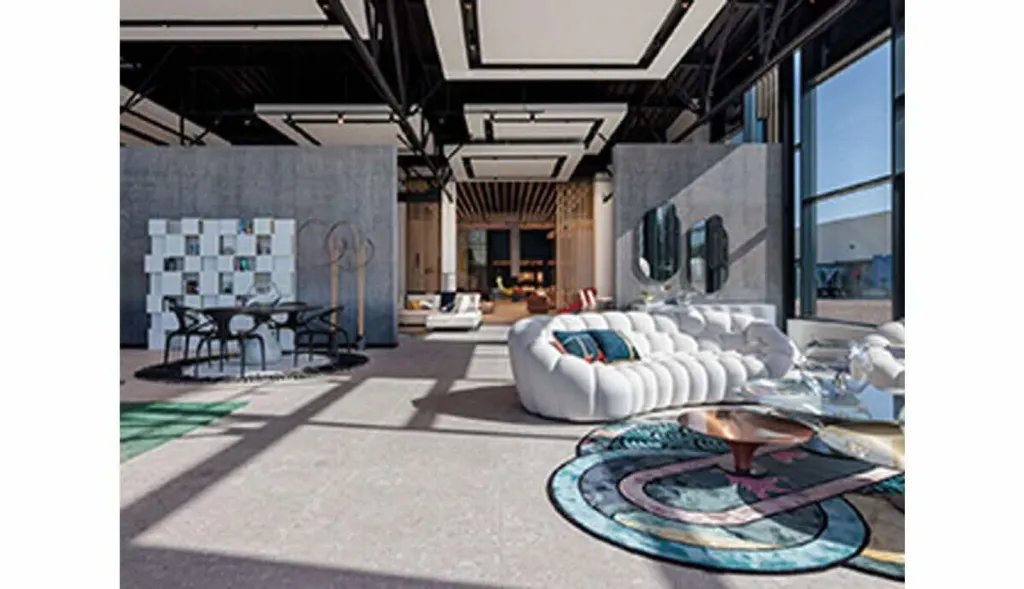
To transform a living space into a truly inspiring sanctuary, several fundamental elements must interact with subtlety. The first pillar lies in the choice of materials. Contemporary trends place great emphasis on authentic, tactile materials. Wood, with its visible grain and natural imperfections, brings unmatched warmth. Stone, marble, or raw concrete offer contrasting textures that structure the space and lend it an undeniable graphic presence. Textiles, from washed linen to dense woollens, soften these mineral surfaces to create cocooning, warm atmospheres.
The second pillar resides in structure and spatial management. Successful design relies on a constant search for balance between solid forms and open space. Modern interior design seeks to enhance movement, foster visual perspectives, and optimise volumes. This architectural approach gives a feeling of grandeur, even to smaller spaces. Furniture is then chosen for its ability to integrate seamlessly into this spatial dynamic, without cluttering, occasionally acting as visual partitioning or an aesthetic focal point.
Lighting as a staging tool
Light, whether natural or artificial, is undoubtedly the most ethereal yet crucial element of interior design. It sculpts volumes, reveals material textures, and dictates the mood of a room throughout the day. Large openings to the outside bring nature into the home, creating an ongoing dialogue between the environment and the intimate space. In addition, lighting design has emerged as a major creative field. Lamps, wall lights, and pendant lights no longer merely illuminate; they act as true works of art that visually structure rooms, even when switched off.
The evolution of the sector: towards more sustainable and bespoke creation
The interior design and decoration sector is undergoing a period of profound transformation, driven by new ethical and aesthetic aspirations. The search for sustainability has become a key criterion in choosing furniture and materials. Consumers, increasingly well-informed, favour pieces designed to last, manufactured with respect for the environment and calling upon artisanal expertise. This dynamic fosters a return to short supply chains, the promotion of local wood species, and the use of recycled or eco-designed materials.
At the same time, the quest for personalisation leads design enthusiasts away from standardised interiors. The trend leans towards creating singular decors, blending contemporary designer pieces with vintage finds or bespoke creations. This approach allows for the design of unique interiors, perfectly attuned to the personality of their inhabitants. Design thus becomes a tool for self-expression, where every choice of layout reflects a personal artistic sensibility, a family history, or travel memories.
The synergy between fine craftsmanship and contemporary design
Another strong trend animating the world of design is the fruitful encounter between fine craftsmanship and contemporary expressions. Designers are collaborating ever more closely with cabinetmakers, ceramicists, glassblowers, or art blacksmiths to bring exceptional pieces to life. This alliance combines the conceptual rigour of modern design with the poetry and exclusivity of the artisan’s touch. These hybrid objects, on the boundary between art and domestic utility, bring an indispensable touch of soul to contemporary interiors, celebrating mastered imperfection and slow craftsmanship.
Design as a vector of everyday well-being
Beyond its purely visual dimension, interior design exerts a profound influence on our mindset and physical and mental well-being. The way a space is conceived, the fluidity of movement within it, the softness of forms, and the precision of colours contribute directly to soothing the mind. Ergonomics, studying the adaptation of objects to human use, ensures that comfort is never sacrificed on the altar of mere formal beauty. A well-designed seat must support the body while flattering the eye; a table should invite conviviality while offering harmonious proportions.
The introduction of biophilic elements – that is, those inspired by nature – is also a strong marker of contemporary well-being-focused design. The use of green plants, the presence of water, the integration of organic patterns, and the prevalence of earthy or botanical shades make it possible to recreate a link with the natural world within the urban space itself. This ongoing dialogue between inside and outside contributes to creating a serene and regenerative atmosphere, essential for coping with daily stress.