

At a glance
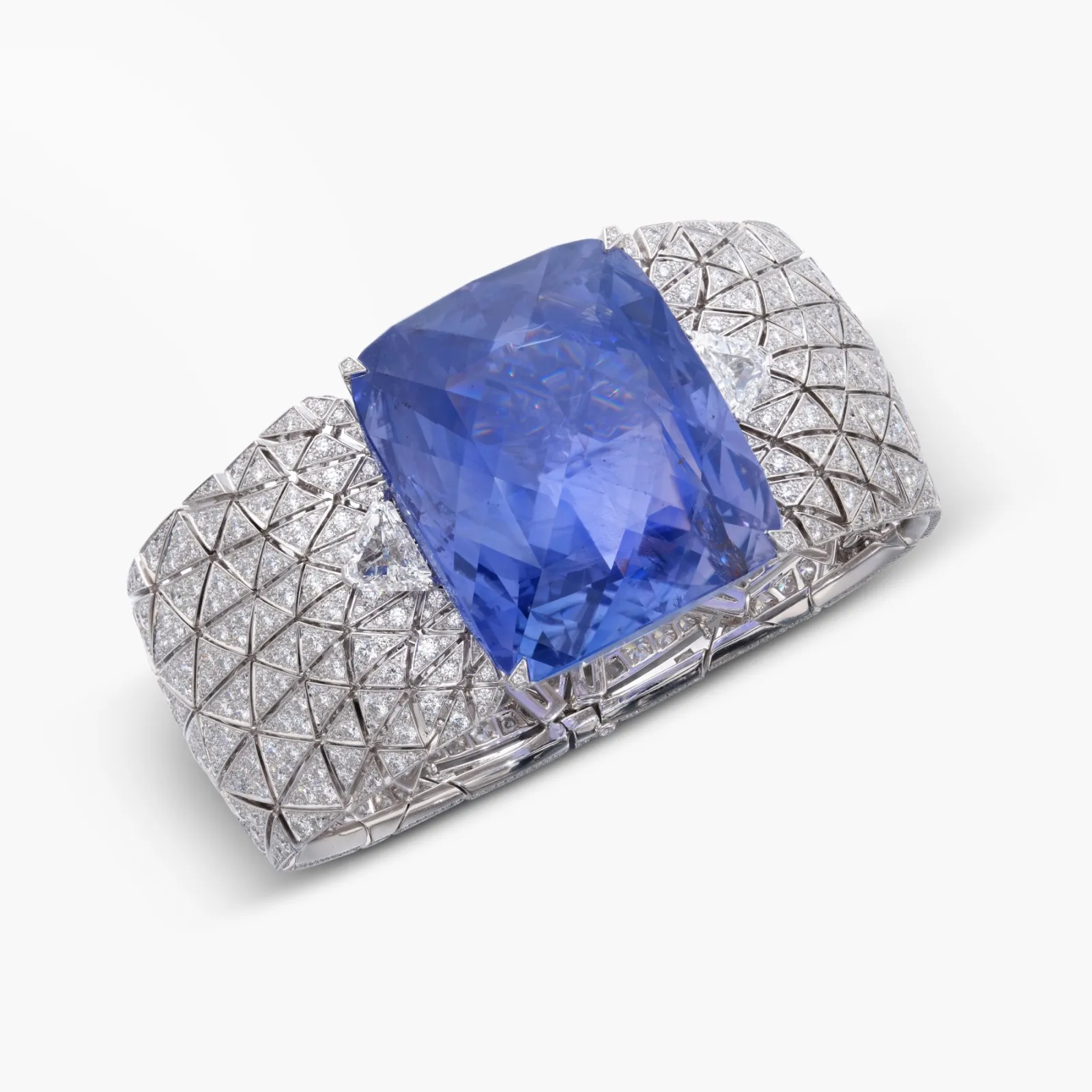
- What: the Romanov sapphire, 197.80 carats, from the Russian Crown Jewels and set in a bracelet by Cartier, is lot 1080 of Sotheby’s Royal & Noble Jewels sale.
- When: Wednesday 11 November 2026 at 5 pm in Geneva; online bidding has been open since 28 October.
- Estimate: about 930,000 to 1.86 million euros (850,000 to 1.7 million Swiss francs), excluding buyer’s premium.
- The stone: an unheated Ceylon sapphire, according to the SSEF and Gübelin laboratories.
- Its story: worn by the Dowager Empress Maria Feodorovna in 1903, sold off by the Soviets, bought from Cartier by Ganna Walska in 1927.
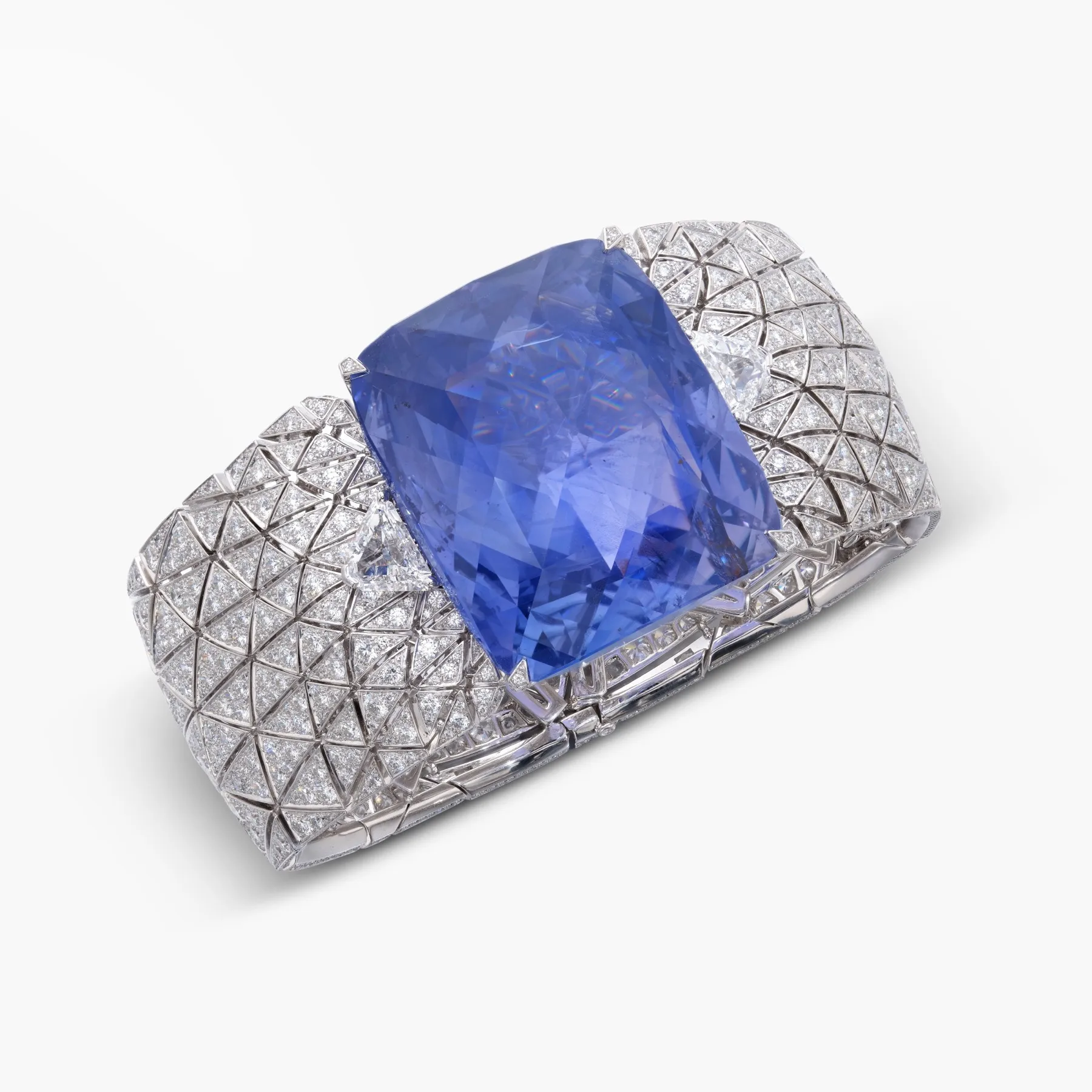
On 11 November 2026, Sotheby’s will offer in Geneva a sapphire from the Russian Crown Jewels, a 197.80-carat stone remounted by Cartier in 2015. The estimate, origin and provenance, and the other royal jewels in the sale.
What is the Romanov sapphire worth?
Sotheby’s estimates lot 1080 at about 930,000 to 1.86 million euros (850,000 to 1,700,000 Swiss francs), at the ECB reference rate of 6 November 2026. The estimate excludes buyer’s premium; the final price, fees included, will be known after the hammer falls. The seller, a private collection, is not named.
197.80 carats from Ceylon, unheated
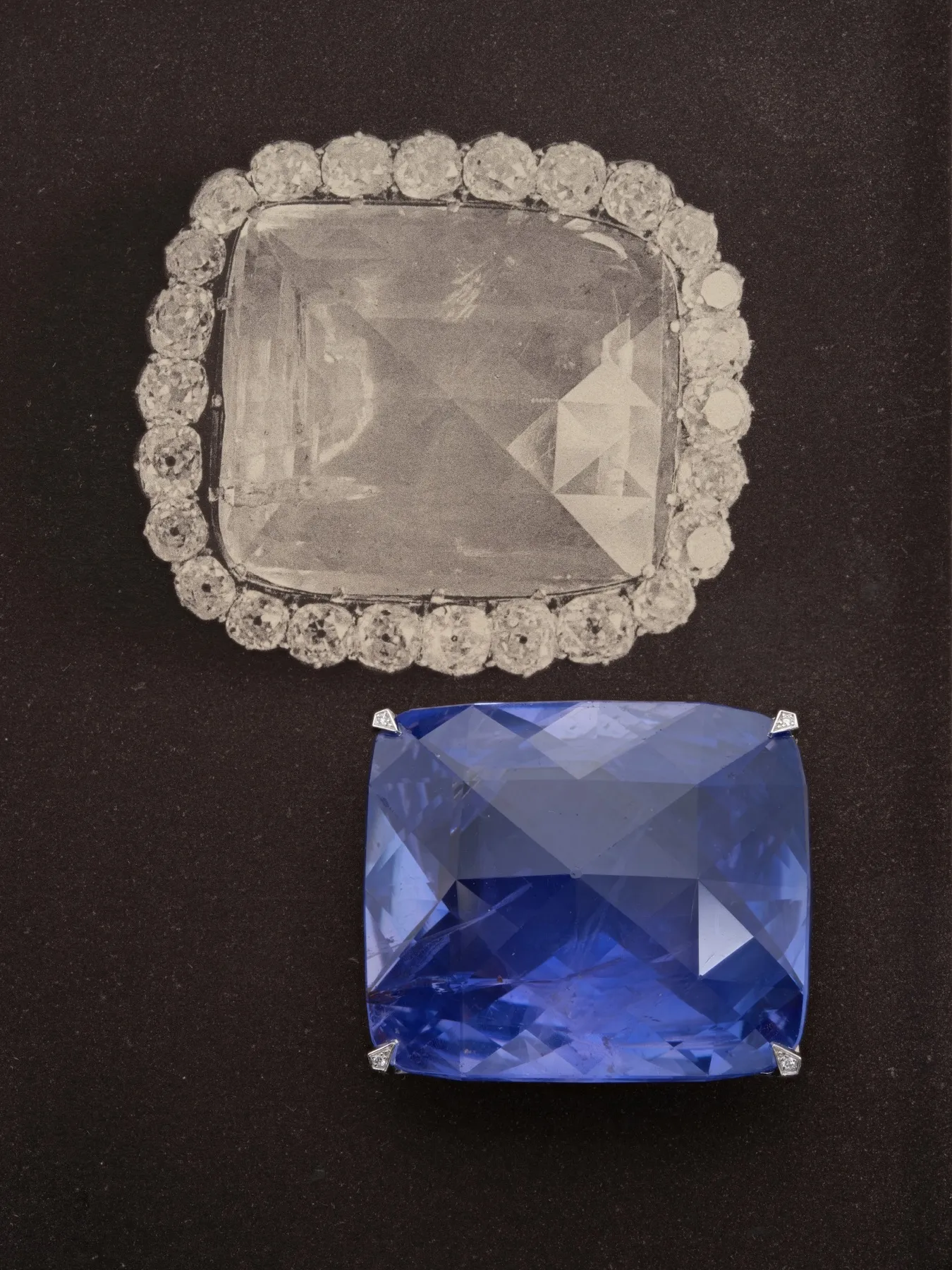
The stone is a cushion-shaped sapphire of 197.80 carats. Two recent reports, from the Swiss laboratory SSEF (9 January 2026) and from Gübelin (10 December 2025), conclude that it comes from Ceylon, today’s Sri Lanka, with no heat treatment. The date the stone entered the Russian Crown Jewels is not recorded; according to Sotheby’s, its highly unusual cutting style points to a Mughal-era origin.
From the Winter Palace to the Fersman catalogue
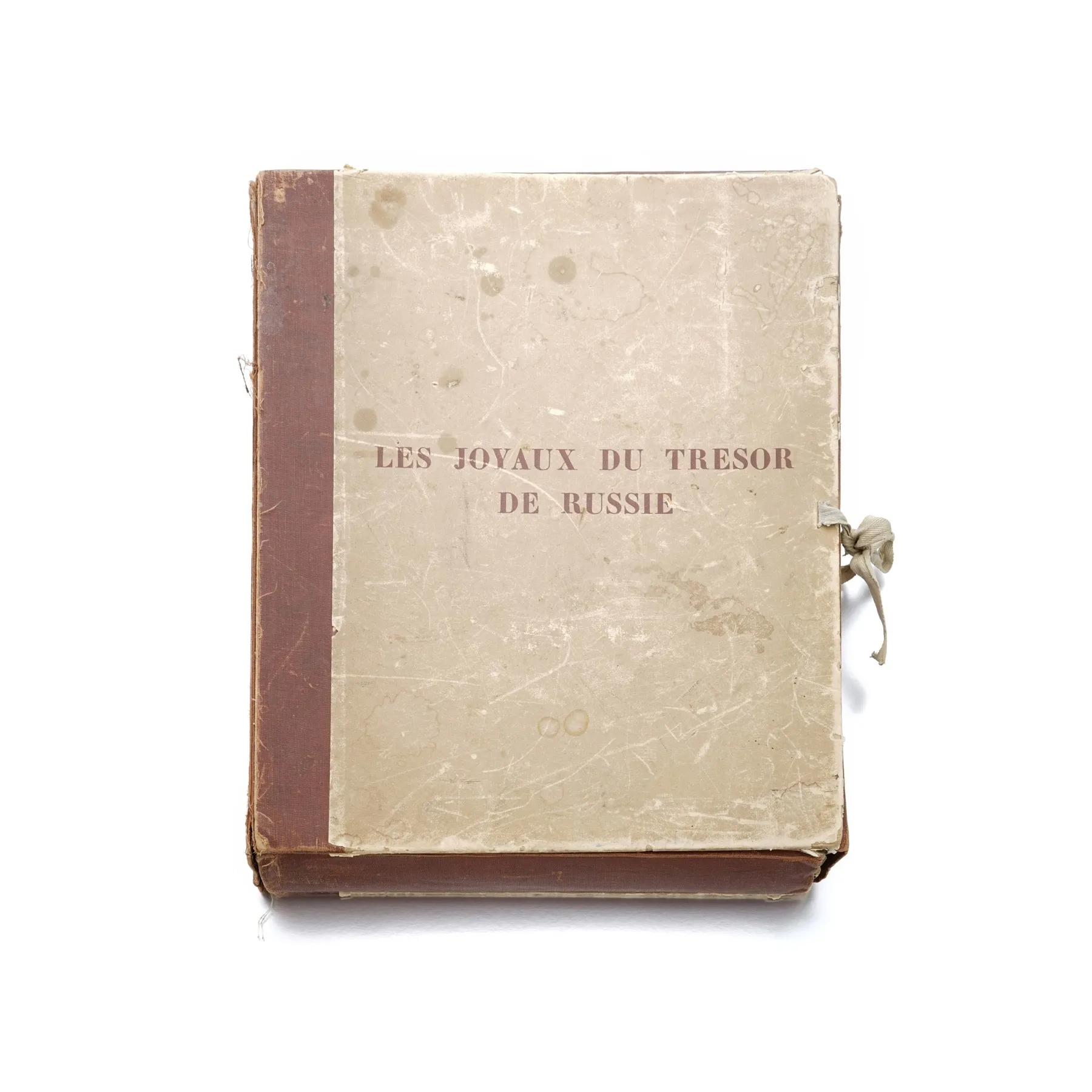
At the great costume ball at the Winter Palace in 1903, the Dowager Empress Maria Feodorovna, born Princess Dagmar of Denmark and mother of Nicholas II, wore this sapphire and a second stone on the front of her skirt. The catalogue of the Crown Jewels drawn up by the Soviets between 1924 and 1926, known as the Fersman catalogue, shows the sapphire in a diamond surround by Fabergé: it then formed a pair of brooches or clasps with a second sapphire of 249.25 carats. Classed by the Soviets among the stones of no historical interest, it was sold anonymously. Another royal treasure, another fate: the French Crown Jewels stolen from the Louvre.
Ganna Walska, Cartier and two sales
In 1927, the soprano and socialite Ganna Walska (1887-1984) bought the sapphire from Cartier, set as the pendant of a sautoir. Two years later she had it remounted on another sautoir with a 256.60-carat carved Mughal emerald. The stone then appeared in the sale of her collection at Sotheby’s Parke Bernet in New York on 1 April 1971, and later at Sotheby’s Geneva on 18 November 1992, on a torsade necklace of emerald and sapphire beads.
An Art Deco bracelet signed Cartier
In 2015, Cartier created the present bracelet around the stone, echoing the Art Deco spirit of its first setting for Ganna Walska. Signed and numbered, in platinum, it is set with brilliant-cut diamonds and shield-cut diamonds. An interchangeable engraved rock crystal centre, set with triangular diamonds, can take the place of the sapphire. The lot comes with a French edition of the Fersman catalogue and two Cartier files on the stone and the bracelet.

Two royal tiaras in the same sale
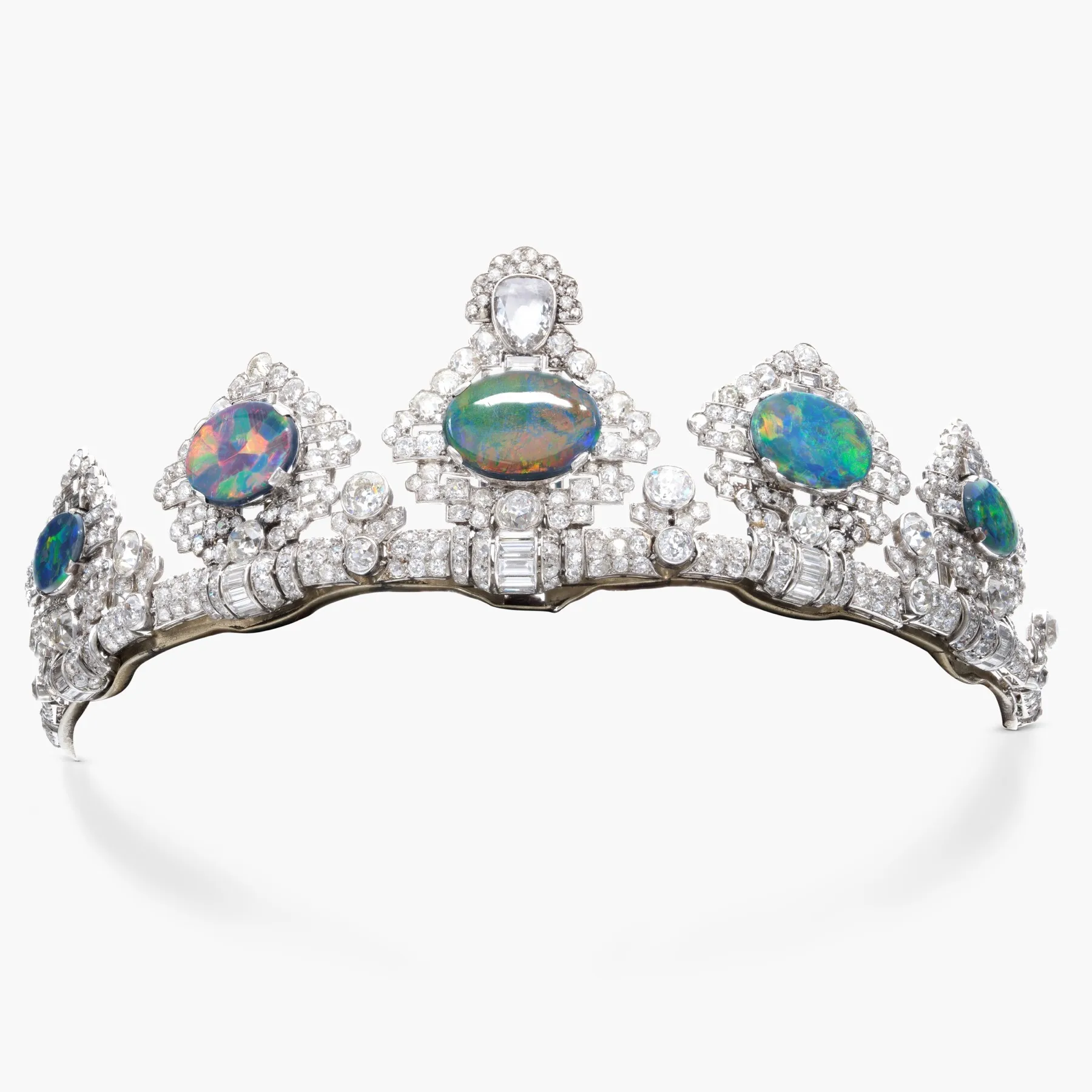
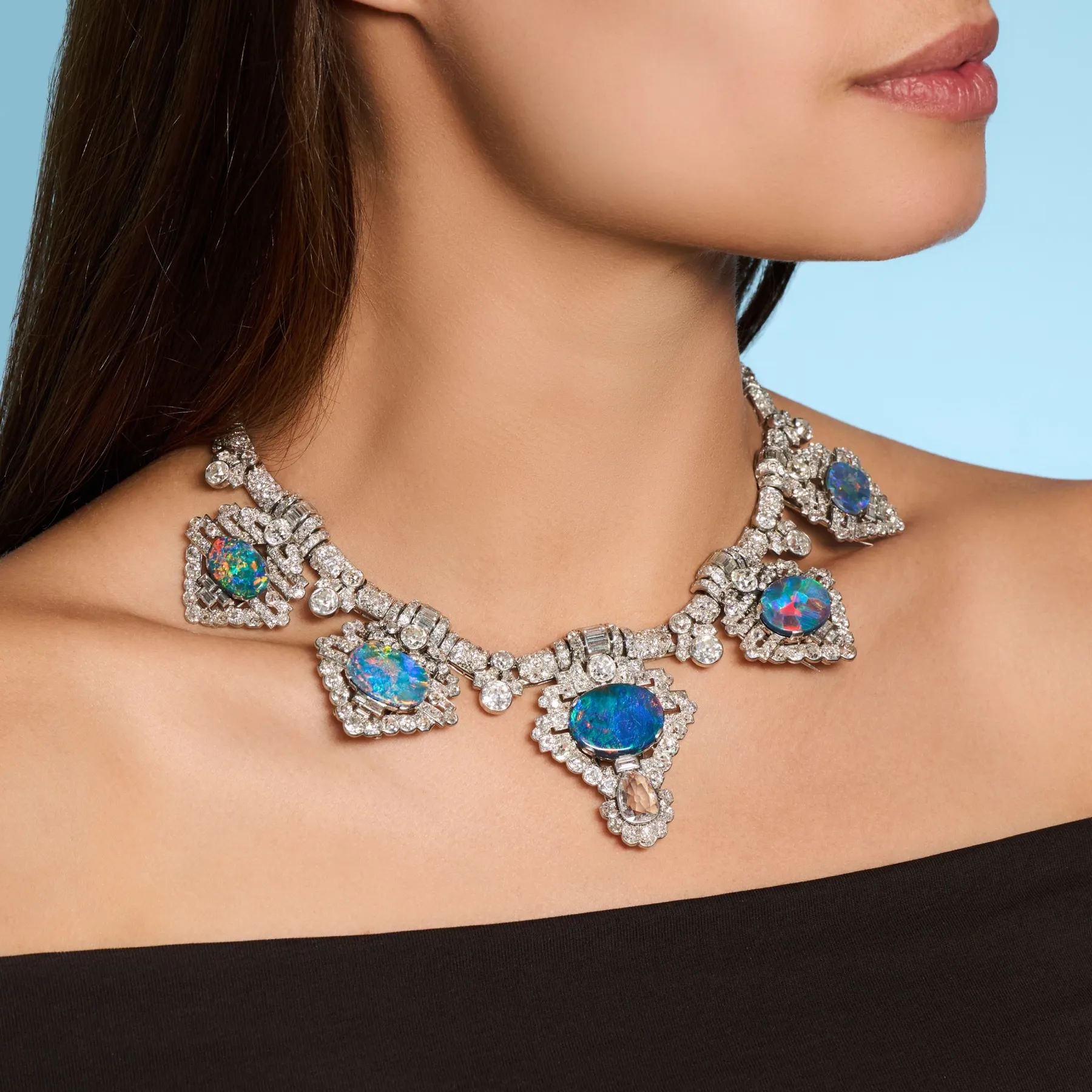
Lot 1082 is an Art Deco Cartier tiara in black opals and diamonds, circa 1937, which converts into a necklace and brooches. It was made for Mary Cavendish (1895-1988), later Duchess of Devonshire, with opals received during a tour of Australia, according to family tradition. In 1953 the Duchess wore it as a necklace at the coronation of Elizabeth II. Estimate: about 853,000 to 1.2 million euros (780,000 to 1,100,000 Swiss francs).
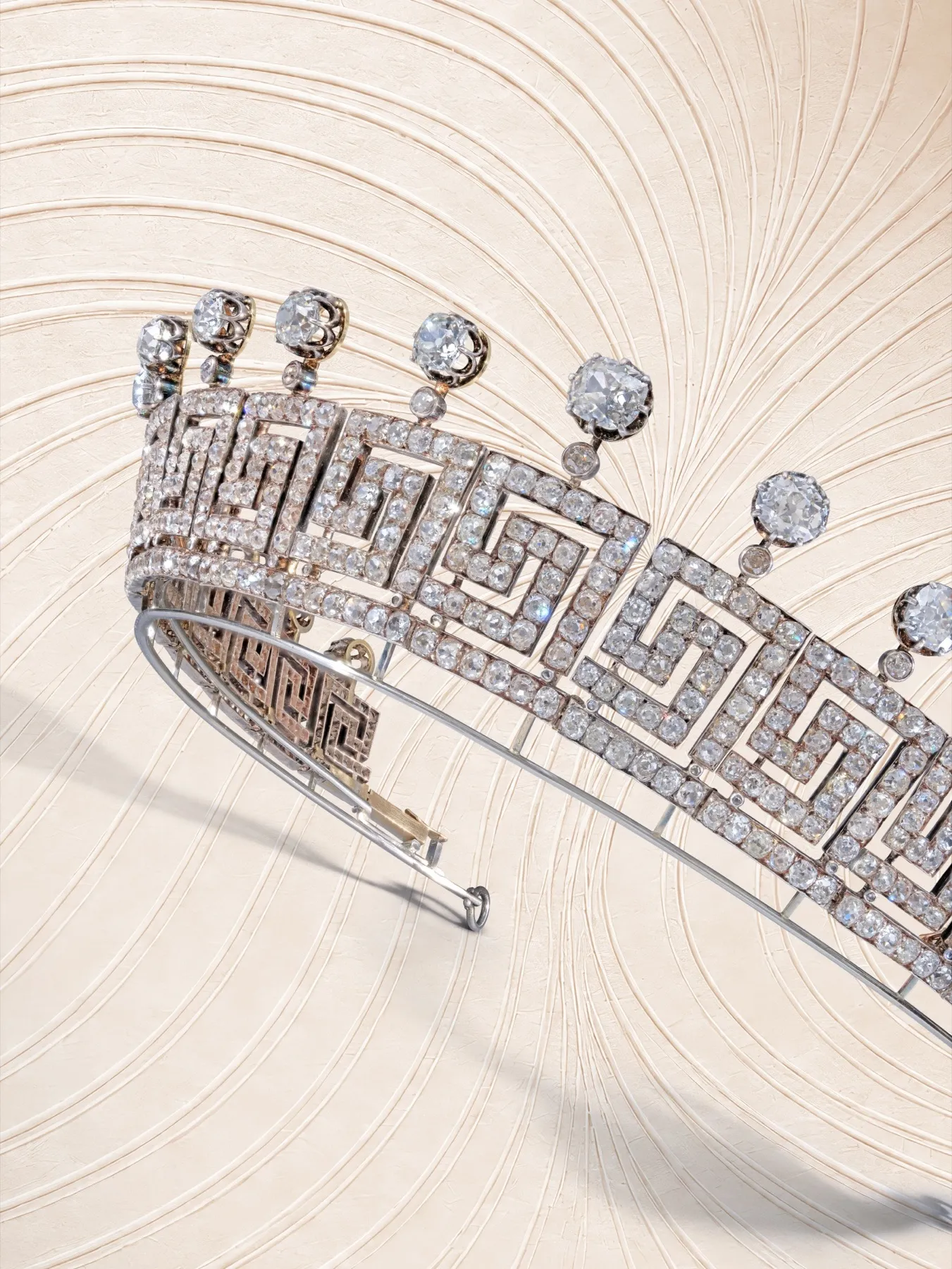
Lot 1072 is a Greek key diamond tiara by Mellerio dits Meller, created for the 1862 International Exhibition in London. In 1864, Antoine d’Orléans, Duke of Montpensier, gave it to his daughter Marie-Isabelle on her marriage to the Count of Paris; Chaumet added a line of diamonds in 1921. It is estimated at about 328,000 to 547,000 euros (300,000 to 500,000 Swiss francs).
Wednesday 11 November, in Geneva
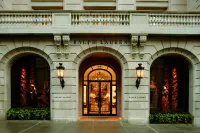
The Royal & Noble Jewels sale goes live in the saleroom on Wednesday 11 November 2026 at 5 pm Geneva time, after two weeks of online bidding. The pieces are on view at the Mandarin Oriental in Geneva until 10 November, from 10 am to 6 pm. To put these sums in context, see our ranking of the most expensive diamonds in the world.
| Stone | cushion-shaped sapphire, 197.80 carats |
| Origin | Ceylon (Sri Lanka), unheated (SSEF 2026, Gübelin 2025) |
| Setting | Cartier bracelet in platinum and diamonds, circa 2015, interchangeable rock crystal centre |
| Provenance | Russian Crown Jewels; Ganna Walska (1927); Sotheby’s New York 1971 and Geneva 1992; private collection |
| Sale | Royal & Noble Jewels, Sotheby’s Geneva, lot 1080 |
| Date | Wednesday 11 November 2026, 5 pm (online bidding since 28 October) |
| Viewing | Mandarin Oriental, Geneva, 6 to 10 November 2026 |
| Estimate | about 930,000 to 1.86 million euros (850,000 to 1,700,000 Swiss francs), excluding fees |
| Exchange rate | ECB, 6 November 2026: 1 euro = 0.9143 Swiss franc |
Information checked on 9 November 2026. Sources: lot 1080 page, Sotheby’s, Royal & Noble Jewels sale page, Sotheby’s, lot 1082 page, Sotheby’s, lot 1072 page, Sotheby’s, ECB reference rates.