
In brief
- Founded in 2016 in Provence, the brand has established itself as a benchmark for experiential hospitality in Europe.
- The first French hotel group to become a Société à Mission in 2023 and certified Clef Verte.
- Deployment of a structured environmental strategy following the first carbon footprint assessment carried out in 2024.
The prestigious experiential hospitality brand Fontenille Collection is reinventing the art of living from Provence to Italy through an approach that reconciles luxury, the preservation of historical heritage, and concrete ecological transition. In a rapidly changing hotel landscape, where travellers now seek meaningful stays that respect local ecosystems, the group demonstrates that it is possible to combine excellent service with an acute environmental awareness. This approach is not limited to simple aesthetic adjustments or superficial measures, but is part of a profound restructuring of the company’s operating methods, from energy resource management to employee training.
Experiential hospitality rooted in local territories
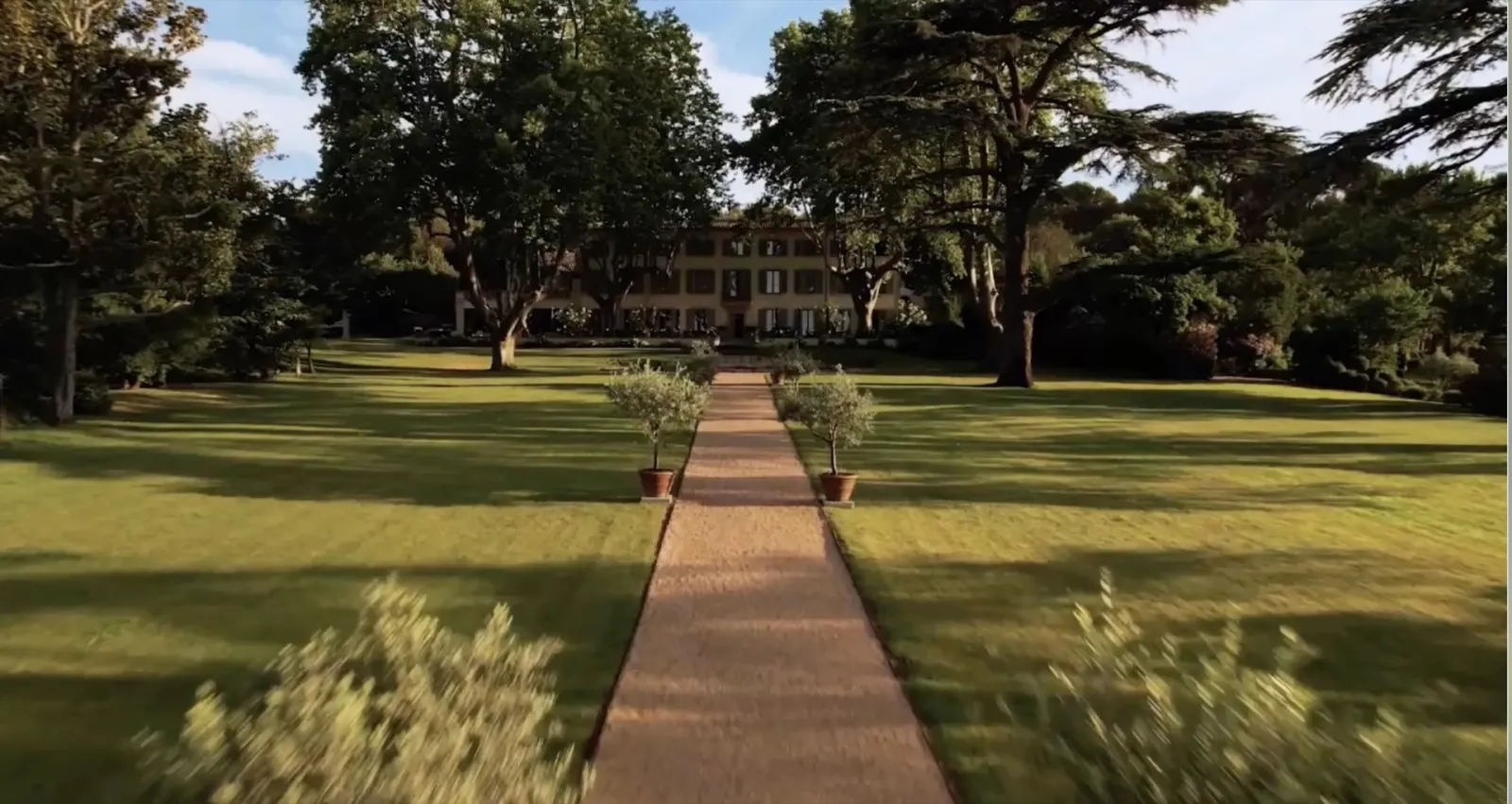
Since its first opening in Provence in 2016, the group founded by Frédéric Biousse and Guillaume Foucher has built its reputation on the renovation of historical, architectural, and landscape heritage. In the space of eight years, the collection has established itself as a notable benchmark for high-end hospitality in Europe, with exclusive addresses spread across France, Spain, and Italy. Each establishment tells a unique story, guided by a clear philosophy: to re-enchant the art of living, preserve the memory of places, reconnect with nature, and elevate well-being and local gastronomy. This vision of hospitality goes beyond simple accommodation to offer total immersion in local culture, where guests are invited to discover regional traditions through themed activities guided by passionate experts.
The group’s territorial expansion into Spain and Italy was carried out with the same respect for local specificities. In the Mediterranean basin, each location is accompanied by the revitalisation of surrounding agricultural areas, whether olive groves, vineyards, or permaculture vegetable gardens. These lands do not only serve as a natural backdrop for guests, but directly supply the kitchens of the group’s restaurants. This ultra-short supply chain guarantees absolute freshness of the produce while significantly reducing the carbon footprint associated with goods transport.
The rehabilitation of heritage as a founding pillar
The concept of Fontenille Collection is based above all on a deep conviction: the beauty of a place lies in its history and its ability to withstand the test of time. Since the beginning of the adventure, the meticulous rehabilitation of old buildings has constituted the core operational business of the group. Whether centuries-old Provençal country houses, historic Spanish mansions, or Italian wine estates, each architectural project begins with a rigorous historical research phase. The objective is to breathe new life into often neglected structures while preserving their original soul, noble materials, and natural integration into the landscape.
This approach requires close collaboration with heritage architects, local artisans, and landscape designers specialising in endemic flora. By avoiding the pitfalls of contemporary standardisation, the group values traditional construction techniques, such as the restoration of dry stone walls, the use of natural lime, or the preservation of old timber frames. These technical choices are not only aesthetic; they also contribute to the thermal resilience of the buildings, thereby limiting the use of energy-intensive air conditioning systems.
The recognition of a virtuous and committed model
A pioneer in its societal approach, the group became the very first French hotel operator in 2023 to adopt the status of Société à Mission, confirming its commitment to integrating social and environmental objectives at the heart of its business model. This orientation of excellence is also validated by obtaining the Clef Verte label, the leading international eco-label for tourist accommodation and restaurants. This double milestone testifies to a constant desire to respect the highest ethical and environmental standards in the sector. By becoming a benchmark in this field, the brand is leading the way for the entire tourism industry, proving that economic profitability can align harmoniously with social responsibility and the preservation of biodiversity.
The legal and operational framework of the Société à Mission
The adoption of the Société à Mission status constitutes a managerial and strategic turning point of major importance for an actor in the hotel sector. Introduced in France by the PACTE law, this legal status requires integrating a clear purpose into the company’s articles of association, as well as specific social and environmental objectives that the company commits to pursuing in its activity. For Fontenille Collection, this process involves regularly submitting its practices to the evaluation of an independent third-party body, responsible for verifying that the commitments made are actually implemented on the ground. This profoundly modifies governance, as financial decisions must systematically be evaluated in terms of their ecological and societal impact.
Alongside this status, obtaining the international Clef Verte certification validates the daily efforts of the operational teams. As the leading global environmental label for tourist accommodation and restaurants, Clef Verte is based on strict criteria reviewed annually. The audit process evaluates in detail key areas such as smart water management, the drastic reduction of single-use plastics, the recycling and recovery of organic waste, the use of eco-labelled cleaning products, as well as the active awareness of guests and employees.
The decarbonisation plan of Fontenille Collection
The decarbonisation methodology applied to heritage
Conducting an effective climate policy requires relying on precise and rigorous quantitative data. It is with this in mind that the group carried out its first comprehensive carbon footprint assessment for the year 2024. This carbon accounting exercise makes it possible to identify the exact origin of the greenhouse gas emissions generated by the activity of the collection’s various estates. In the hotel sector, emission sources are multiple and often complex: energy consumption for heating and cooling rooms, industrial laundry, goods transport, guest travel, as well as the production of food products served in the restaurants.
The group’s distinctiveness lies in the historical nature of its buildings, which represents a major challenge for the energy transition. Unlike new builds designed from the outset to respect strict ecological standards, old buildings require bespoke energy renovation solutions. This involves, for example, optimising the efficiency of existing heating systems without altering the original structure, improving thermal insulation using techniques that respect historical architecture, or setting up building management systems to monitor energy consumption in real time.
The completion of the group’s first carbon footprint assessment for the year 2024 now serves as a methodological foundation for designing and structuring future levers to reduce the collection’s greenhouse gas emissions. The objective is now to deploy a rigorous climate action plan, adapted to the architectural and geographical specificities of each of the brand’s establishments. This transition involves a detailed analysis of energy data, the implementation of precise environmental indicators, and active monitoring of the best decarbonisation practices in hospitality and catering. Through this approach, the group does not only seek to reduce its direct carbon footprint, but also to positively influence its entire value chain, by encouraging its business partners and suppliers to engage in similar impact reduction initiatives.
High-impact career opportunities
The integration of ecological criteria at the heart of hotel strategy is profoundly transforming the nature of hospitality professions. To support this mutation, the emergence of new specialised roles is becoming essential to ensure the link between strategic management and daily operations on the ground. Hospitality professionals today must possess hybrid skills, blending service excellence, mastery of new environmental management tools, and a solid ability to lead projects. The recruitment campaigns launched by the brand for the autumn 2026 intake are directly in line with this logic of professionalising the ecological transition.
To successfully navigate this environmental turning point, the brand is opening strategic recruitment this autumn 2026, notably for a Decarbonisation Officer position and operational support roles in management. These Master’s-level profiles will be responsible for driving the collection of environmental data on the ground, developing awareness materials for teams, and monitoring energy transition projects directly within the collection’s hotels. They will work hand in hand with hotel general managers and chefs to implement concrete daily solutions, whether optimising local sourcing, adjusting laundry protocols, or designing fun learning programmes to raise awareness among passing guests. These positions offer a unique opportunity to actively participate in redefining the luxury standards of tomorrow, demonstrating that operational excellence and environmental responsibility can mutually enrich each other.