

In brief
- The major renovation of Buckingham Palace, estimated at 433 million euros, unveils historical treasures hidden for decades.
- Tradespeople lifted over 47,000 floorboards, unearthing objects dating from 1889 to the end of the 20th century.
- Among the relics is an ultra-strict 1977 protocol dictating Queen Elizabeth II’s movements during her receptions.
- The historic technical modernisation project will officially end in March 2027.

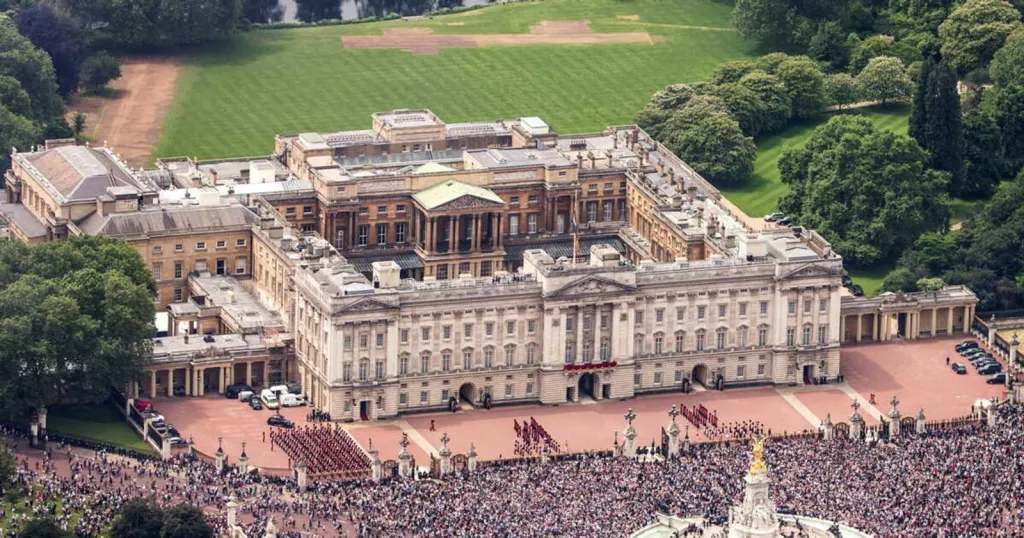
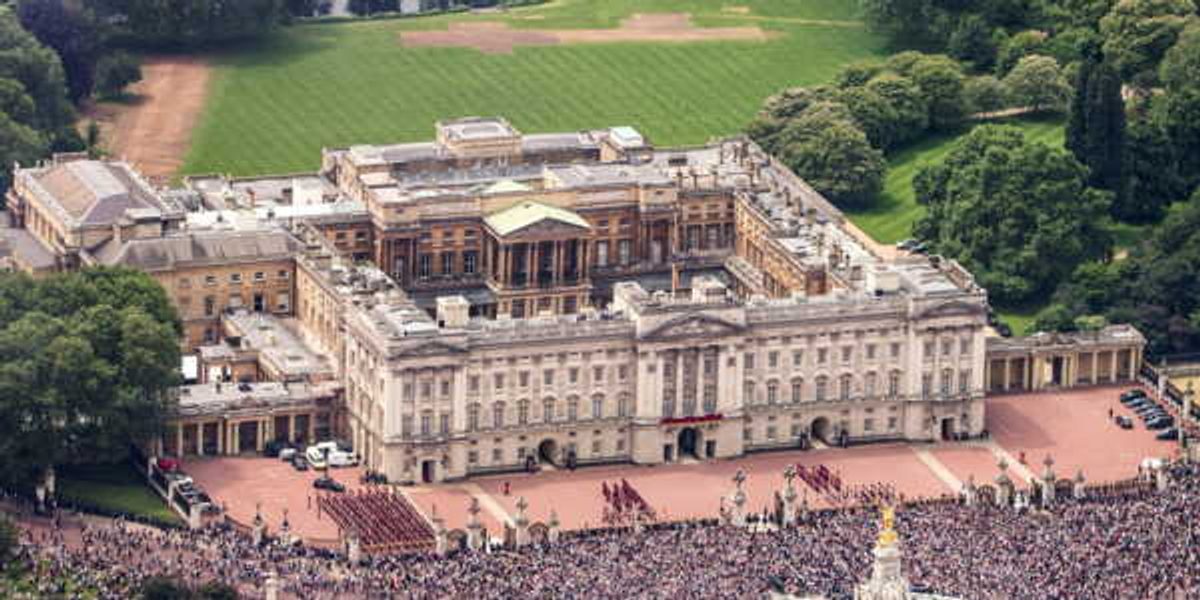
The colossal renovation of Buckingham Palace, which began in 2017 to modernise outdated infrastructure, has uncovered an unexpected collection of historical objects hidden beneath its century-old floorboards. By opening up walls and lifting the woodwork of the majestic London residence, the craftsmen on site did not merely come across ancient wiring. They unearthed fragments of history, forgotten letters, newspaper clippings and everyday objects that subtly tell the story of the palace’s intimate and official life since the Victorian era.
Factsheet of the historic project: BR· Monument: Buckingham Palace (London, United Kingdom)BR· Project budget: Approximately 433 million euros (500 million dollars)BR· Project period: 2017 to March 2027BR· Scale: 775 renovated rooms, including 47,000 floorboards removed and restoredBR· Nature of discoveries: Typed official documents, historic newspaper clippings (1889-1966), everyday objects and period relics
Queen Elizabeth II’s meticulously detailed protocol
Among the most fascinating finds is a typed document dating from 1977, drafted on the occasion of Elizabeth II’s Silver Jubilee. This protocol for organising an evening diplomatic reception reveals the almost military rigour that governed court life. It notably discloses that the Sovereign had to walk through the ballroom in a clockwise direction to greet her guests. Nothing was left to chance during these lavish royal receptions, from a strict smoking ban to refreshment service times scheduled down to the minute between 9.30 pm and 10 pm.

A time capsule beneath the East Wing floorboards
This unusual collection was made possible thanks to the unprecedented scale of the work carried out under the direction of the palace architects. In the East Wing, carpenters had to accomplish a mammoth task: removing, cataloguing and restoring no fewer than 47,000 floorboards. It was precisely in these spaces, inaccessible for decades, that a surreal assortment of items accumulated over time. Beneath the thick oak boards lay sports betting slips from 1957, an empty Silk Cut cigarette packet, and even a cardboard entry ticket for an evening of whist dating from April 1949.


Echoes of major British crime stories
Other discoveries hark back to key moments in British popular history. Workmen thus came across a newspaper page dating from 1966. Its front page covered the high-security detention conditions of the perpetrators of the famous Glasgow to London mail train robbery in 1963. This sensational crime, led by Bruce Reynolds, netted the equivalent of 52 million euros today. This historic sheet describes the daily life of prisoners sentenced to sew mailbags, a striking contrast to the splendour of the state rooms located directly above.

Everyday relics from the Victorian era
The finds were not limited to paper documents. The dark corners of fireplaces and false ceilings yielded a pair of laceless black leather boots, a time-worn pewter tankard, and decorative earthenware tiles from old mid-19th-century fireplaces. At that time, the palace, originally acquired in 1761 by George III and then transformed by George IV, had just become Queen Victoria’s official residence in 1837. These humble objects serve as a reminder of the servants and workmen who laboured in the shadow of royal power throughout the ages.

An urgent modernisation for the future
Beyond the historical interest of these relics, the renovation addressed an absolute safety emergency. The electrical, plumbing and heating networks of this vast 775-room residence had not been modernised since the 1950s. According to reports, the deterioration of certain vulcanised rubber cables threatened to cause major fires. This mammoth 433 million euro project will end in March 2027, providing the monument with technical infrastructure worthy of its status, even if King Charles III and Queen Camilla currently maintain their primary residence at Clarence House.
Useful information on watches and jewellery
official website of the Royal Family