
In brief
- An ambition to reposition towards an international clientele with high purchasing power, particularly from Asia and the Middle East.
- The expected reopening of a direct air route between Shanghai and Lyon by the end of 2026.
- A strategy focused on establishing luxury boutiques and creating a true palace hotel.
The Lyon metropolis is embarking on a historic transformation of its appeal by placing luxury tourism in Lyon at the heart of its new strategic roadmap. Driven by the new right-wing majority and Christophe Marguin, newly appointed president of Only Lyon, the capital of the Gauls is abandoning the “all-by-train” and cycling policy to seduce an international clientele with very high purchasing power. This strategic shift marks a deliberate break from the vision of the previous Green administration.
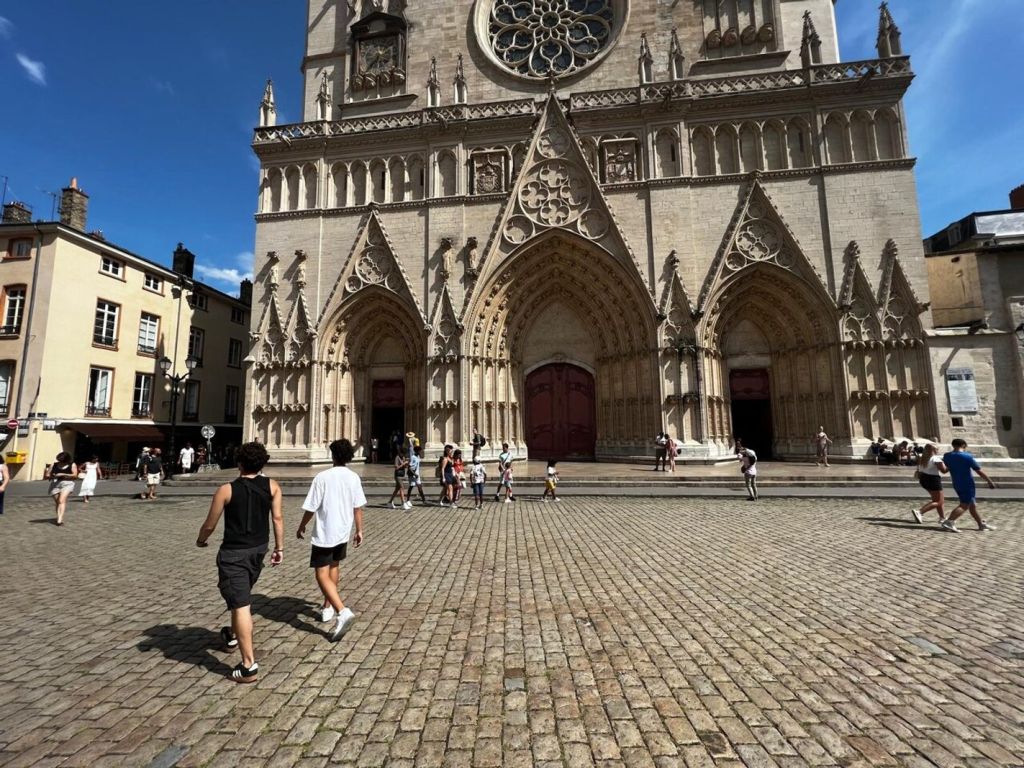
This major reorientation aims to revitalise the economy from the top down by capitalising on Lyon’s UNESCO-listed heritage and silk-making tradition. By turning away from approaches focused exclusively on local tourism, Only Lyon intends to restore the city to its status as a major European metropolis. The challenge lies in structuring a comprehensive offering combining exceptional hospitality, prestigious retail, and optimal accessibility to compete with other leading destinations.
Indicators of the new Lyonnaise roadmap
- Scheduled air links to Shanghai by the end of 2026.
- An objective to secure the metropolis’s first officially recognised Palace hotel.
- Enhanced promotion of fine jewellery and local craftsmanship.
The Lyon region is home to a historic network of jewellery designers and workshops with ancestral know-how. This heritage, sometimes overlooked internationally, represents a unique driver of attraction. The new roadmap aims to structure and promote this sector of excellence. By highlighting the precision of local artisans, the metropolis hopes to capture the interest of lovers of exceptional pieces, particularly sought after by Asian and Middle Eastern clienteles seeking exclusivity.
An international ambition driven by air travel
To turn around a 2026 summer season deemed particularly disappointing by industry figures, Only Lyon is betting decisively on improving air connectivity. The organisation intends to send a strong signal to long-distance visitors by facilitating their direct arrival in the region, relying notably on the international links of Lyon-Saint Exupéry airport.
This summer slowdown highlighted the need for non-stop flights. Travellers from distant markets systematically prefer direct access, avoiding the fatigue of layovers. By strengthening Saint-Exupéry’s connectivity, Lyon hopes to capture these high-value flows as soon as they arrive in France, encouraging extended stays in the heart of the region.
An international-facing ambition for air travel
In this context, the reopening of a direct route between Shanghai and Lyon by a Chinese airline is already planned for the end of 2026, targeting a Chinese clientele fond of the French art de vivre. Meanwhile, the existing route to Dubai operated by Emirates is asserting itself as a major axis, while discussions are envisaged with Delta to bring a direct link with New York to fruition.
The link with Shanghai represents a crucial milestone, as China remains a premier source market for the luxury economy. Furthermore, the daily flight to Dubai makes it possible to capture flows from the Middle East, renowned for their high-end expectations. Finally, transatlantic discussions with Delta highlight the ambition to win over North American clients, traditionally receptive to the historic offering of the Rhône Valley.
The hoped-for return of major prestigious houses
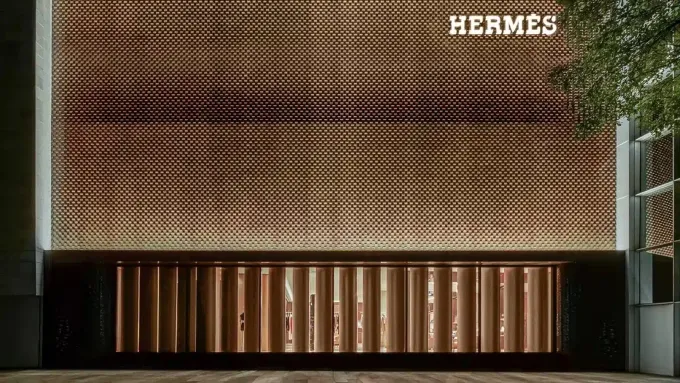
The appeal of an international metropolis is also measured by the quality of its high-end retail offering. While Lyon retains iconic brands Louis Vuitton and Hermès, the past departure of Dior and Cartier left a void that new decision-makers intend to fill quickly by promoting the expertise of local artisan jewellers.
Luxury shopping constitutes a pillar of the high-end tourist experience. While the enduring presence of Hermès and Vuitton proves local resilience, the absence of other major names disadvantages the Presqu’île. To address this, Only Lyon wishes to reopen dialogue with these prestigious fashion and jewellery houses, demonstrating to them the economic potential of this new metropolitan positioning.
The president of Only Lyon publicly laments the proliferation of low-cost retail chains in the heart of the city, citing the arrival of Maxi Bazar in the historic former Banque de France building on Rue de la République. For him, the aesthetic and commercial revitalisation of the city centre relies on welcoming prestigious houses capable of capturing the interest of foreign buyers.
This concern directly touches upon the preservation of the Presqu’île’s urban identity. The arrival of discount retailers in buildings with a rich architectural history, such as the Banque de France, sends a contradictory message to foreign visitors. To maintain the appeal of the grand imperial thoroughfares, the city must ensure the aesthetic harmony of its ground-floor retail spaces by favouring high-status brands.
The quest for a palace hotel to establish luxury tourism in Lyon
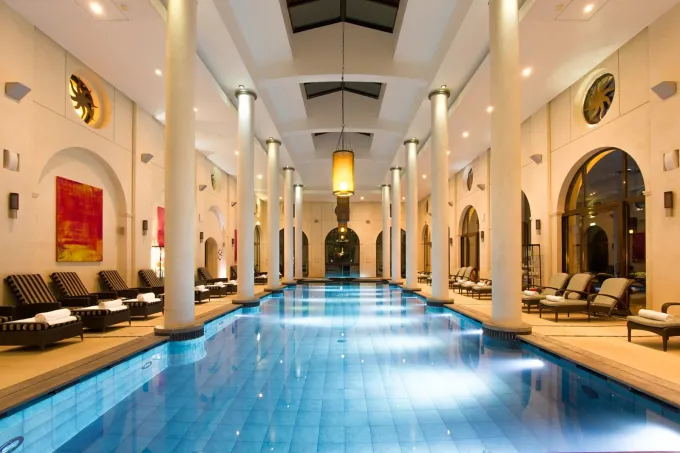
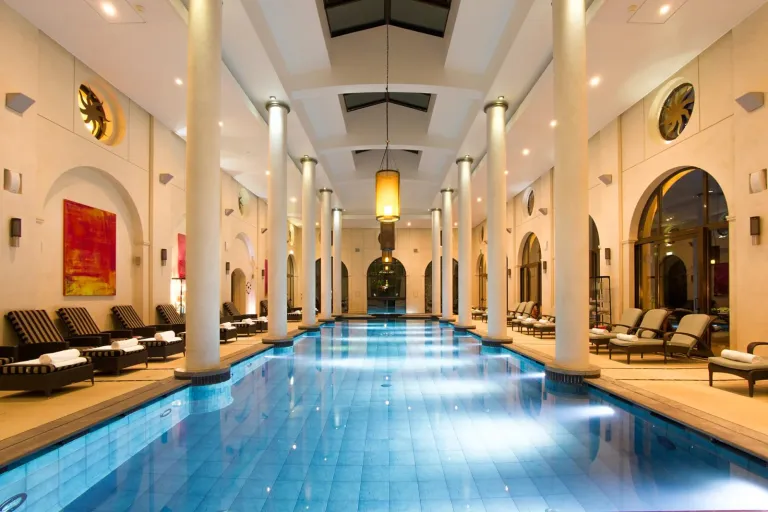
Obtaining the official Palace distinction is a major issue of credibility. This distinction, awarded by the French State according to very strict criteria, sets apart exceptional establishments in terms of service, history, and gastronomy. The absence of such a flagship in Lyon deprives the city of an elite clientele accustomed to the standards of the finest Parisian or Riviera establishments. Structuring a hotel project of this calibre would allow an essential symbolic milestone to be reached.
Towards a first palace hotel and exceptional boutiques
Despite a high-quality hospitality offering and several leading establishments, the city suffers from the absence of a hotel officially awarded the “Palace” label, unlike Alpine or Riviera destinations. A working group bringing together local hoteliers is currently being formed to encourage the emergence of an ultra-premium hotel project worthy of the highest global standards. This ambition comes with the hope of seeing Lyon’s gastronomy shine once again at the highest level, with the regaining of a third Michelin star, currently absent from the city since the downgrade of Maison Bocuse to two stars.
Top-tier gastronomy and exceptional hospitality form an inseparable pair. The loss of the third star for the iconic Maison Bocuse left a lasting impression. Regaining this culinary pinnacle is a priority objective to boost overall appeal. Fine dining enthusiasts often plan their stays around these prestigious accolades, thereby creating direct economic benefits for all tourism stakeholders.
Major events as global showcases
In order to enhance the metropolis’s profile beyond its usual borders, consideration is being given to extending the famous Fête des Lumières to neighbouring municipalities, thereby broadening the footprint of this flagship four-day event. However, this project requires the agreement of the Lyon municipality, which retains direct management of the event.
This event, created in the 19th century, attracts millions of visitors every year concentrated over a short period. The idea of decentralising certain light installations towards the municipalities of the metropolis aims to streamline visitor flows while showcasing the diversity of the area. This rollout would increase the economic benefits across a wider hotel area, but requires careful coordination with the central city’s municipal authorities.
The 2030 Olympic Games as an accelerator
In the longer term, the 2030 Winter Olympic Games represent the true catalyst for this new international dynamic. Only Lyon wishes to capitalise immediately on this major milestone to shape an image of excellence, while optimising the city’s accessibility ahead of the Paralympic Games.
The selection of the French Alps for the 2030 Games places Lyon in an essential role as a logistics hub. As a gateway to the mountain ranges thanks to its transport infrastructure, the metropolis can capture significant flows of international visitors. This perspective provides an ideal timeframe to accelerate the modernisation of transport links and consolidate high-end, inclusive hospitality standards.
A political divide surrounding the transition
This repositioning focused on excellence reignites divisions within local institutions. Advocates of this revival through the luxury economy believe that international appeal is essential for the region’s influence. Conversely, proponents of ecological transition worry about a resurgence of policies favouring high-carbon transport, advocating instead for moderated visitor flows and the promotion of regional resources.
A repositioning at the heart of political tensions
This strategic repositioning is stirring strong political tensions within the metropolis. The Green opposition denounces an anachronistic vision that prioritises the growth of road and air traffic at the expense of climate commitments. This debate illustrates two opposing visions of metropolitan development: one focused on carbon reduction and local tourism, the other on economic excellence and global influence through the luxury economy.
This major political divide highlights the clash of two philosophies of local governance in the face of contemporary challenges. For Green opponents, absolute priority must be given to reducing the local carbon footprint, which implies favouring sustainable tourism rooted in the regional terroir and accessible via decarbonised modes of transport such as the train. They view the active pursuit of long-distance clienteles, dependent on long-haul air transport, as a major contradiction with climate change targets. Conversely, for the new majority and economic stakeholders gathered around Only Lyon, economic excellence and the dynamism of the luxury sector are indispensable to fund public services, support local employment, and maintain the city’s historic prestige on a global scale. The ability to strike a balance between these two visions will determine the future face of the Lyon metropolis.