

In brief
- The rent controls introduced in 2024 and the 2023 restrictions are beginning to ease the rental market on the Côte basque.
- Property owners are overwhelmingly adopting mixed leases (student from September to May, tourist in summer) to bypass compensation rules.
- Studio rents are stabilising in a range from 550 to 750 euros per month.
- The quality of properties is increasing thanks to the conversion of former high-end tourist rentals into student housing.
As the September 2026 academic year approaches, the student housing market on the Côte basque is experiencing an unexpected turning point under the influence of new local regulations. While finding a roof over one’s head in the Bayonne, Anglet or Biarritz sectors has been an uphill battle in recent years, successive reforms regulating tourist rentals are beginning to bear fruit. For both landlords and the student community, the situation is changing in an increasingly significant way.
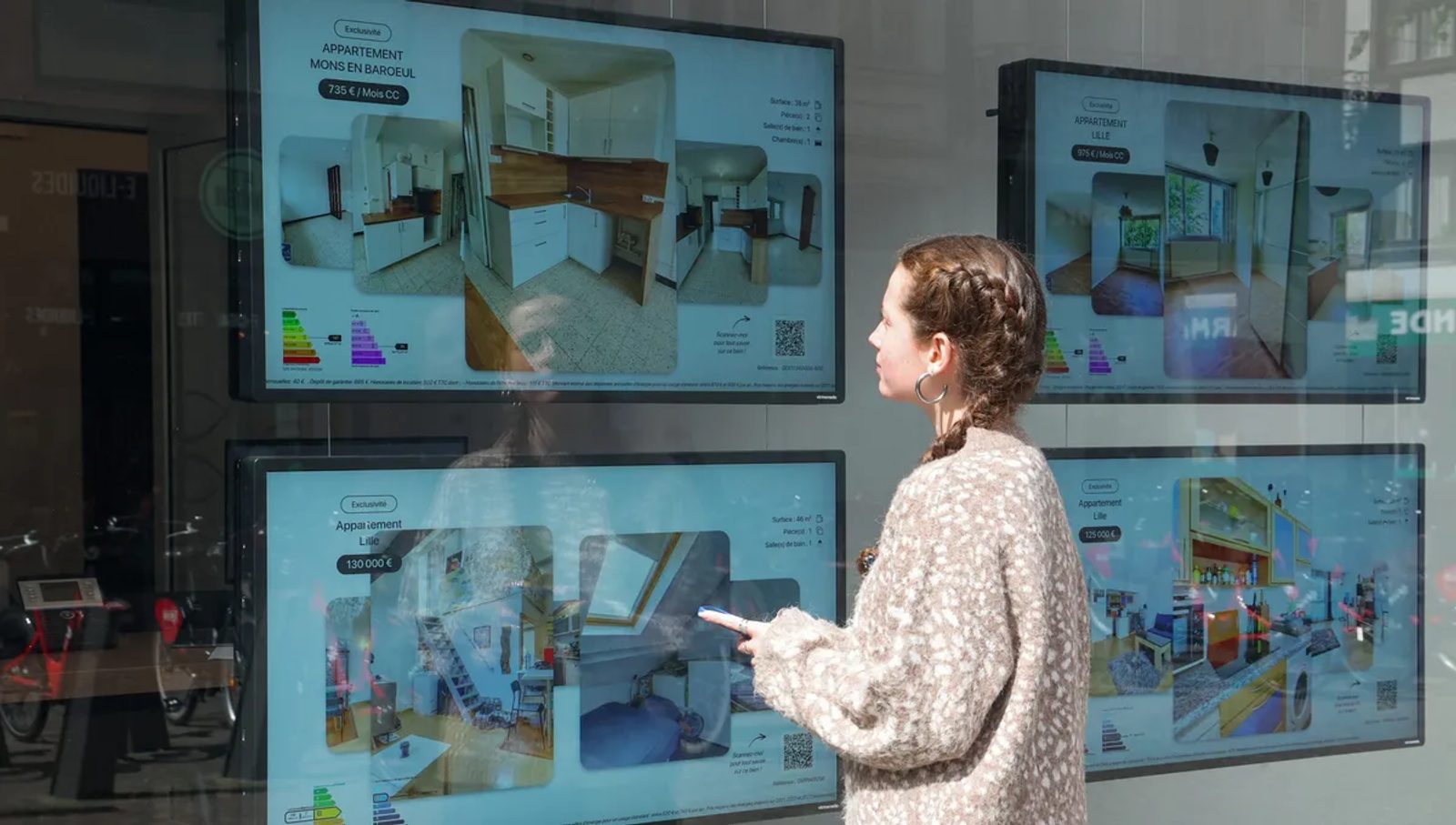
Student housing on the Côte basque under regulation
In the cobbled streets of Bayonne and along the avenues of Anglet, the rental bustle of late August is accompanied this year by a relative lull. Real estate professionals and landlords are observing a notable change in behaviour. The legislative arsenal deployed since 2023 is finally beginning to make its effects felt on the overall supply.
Pierre, a landlord who rents out four furnished studios adjoining his main residence in Bayonne, bears witness to this change of pace. Although he received around thirty applications in a fortnight for his last available property, he notes a decrease in tension compared to previous years, when he regularly received between forty and fifty files over the same period. This stabilisation, although early, coincides with the implementation of the rent controls introduced in 2024 and the so-called “anti-Airbnb” restrictions applied from 2023 in the region.
The strategic rise of the mixed lease
The current dynamism relies heavily on the adoption of so-called “mixed” rentals by property investors on the coast. Municipal regulations now impose strict compensation on owners wishing to rent their apartments to holidaymakers during the summer season. However, a valuable exemption is granted if the accommodation is rented to a student during the academic year, from September to May.
The nine-month student lease exemption system allows landlords to avoid compensation constraints. For Jeanne, an experienced landlord established in the region for two decades, this formula was an obvious choice, particularly in highly sought-after coastal areas such as the Chambre d’Amour district in Anglet. This hybrid model ensures optimal returns for owners in high season while maintaining secure and compliant occupancy during the winter.
A notable rise in comfort standards
This transformation of the rental market is generating healthy competition among landlords. Faced with a slightly more abundant supply of student housing, selection is no longer made solely by default, but is organised around more demanding comfort criteria. Private parking spaces, the quality of interior fittings and the precise location are becoming decisive factors in attracting tenants.
A move upmarket inspired by the hotel industry
Comfort standards are now aligning with the requirements of high-end leisure hospitality. The properties offered on the student market often come from former portfolios exclusively dedicated to seasonal tourism, for which major renovation and luxury furnishing work has been carried out. These high-end services result in rents generally ranging between 550 and 750 euros per month for a studio, rates which nevertheless remain high for the most modest budgets.
Private initiatives in the face of shortage
The limits of a market still under strain
Despite these advances, the housing issue remains a central topic for the economic attractiveness and social cohesion of the Pays basque. The high cost of living and the difficulties of home ownership continue to weigh on young professionals and students. According to recent data, the mental health of students at the Université de Pau et des Pays de l’Adour (UPPA) remains fragile, with fewer than one in two students (46%) declaring themselves to be in good mental health, a situation that leads to numerous psychological consultations within university health centres.
Faced with the structural shortage, Basque companies are joining forces to build their own housing solutions. In Hasparren and Ayherre, a collective of nine local small and medium-sized enterprises has financed the construction of eleven apartments to house their own employees. An innovative approach to pooling resources which demonstrates that the housing issue on the Côte basque now requires multi-faceted responses, combining public regulation and the commitment of private actors.