
In brief
- A Bulgari High Jewellery Serpenti ring worn on stage by Céline Dion in Paris.
- A spectacular composition featuring 28 marquise-cut diamonds and 8 rubies.
- A piece of jewellery completing a set including a platinum necklace set with 207.84 carats of diamonds.
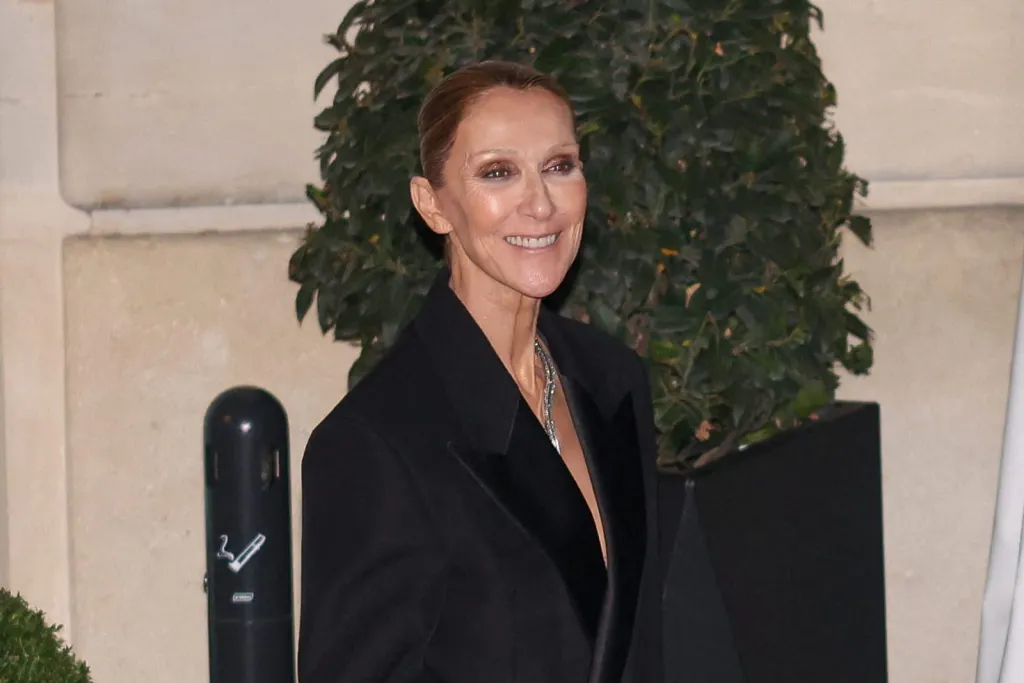
Céline Dion continues to illuminate her Parisian residency launched in September 2026 with exceptional high jewellery pieces, such as her recent Bulgari Serpenti ring. The stage performances of the greatest international music divas have always been accompanied by a keen sense of aesthetic representation, but the Quebec artist’s current approach reaches a new level. By transforming each appearance into a true parade of jewellery art, she reaffirms her status as a global icon of fashion and luxury. The large-scale shows organised in the French capital provide a privileged showcase for the most prestigious Maisons of Place Vendôme and the Via Condotti district in Rome, which compete with audacity to adorn the hands and poise of the singer. The association between the star’s vocal intensity and the brilliance of precious gems creates a captivating visual synergy, attracting the eyes of jewellery specialists and the general public alike, fascinated by these exceptional sets.
The Parisian residency is part of a tradition of excellence where haute couture and high jewellery dialogue in perfect harmony. For each key date in her performance calendar, the artist’s wardrobe is the subject of meticulous selection, designed to enhance unique pieces on loan or specially designed by the most renowned workshops in the sector. The presence of these jewels on the Parisian stage recalls the importance of the capital as a nerve centre for stylistic creation and exceptional jewellery, while highlighting the privileged relationship the diva maintains with the French public and the world of creative fashion.

The moving memory of the Boucheron necklace
From the launch of her concert series in Paris on 12 September 2026, the 58-year-old Quebec singer imposed a majestic allure. Her The Address necklace by Boucheron, estimated at 700,000 euros and adorned with a 10.01-carat diamond, had left a lasting impression through its symbolism linked to her personal history with René Angélil. The Maison Boucheron, founded in 1858 by Frédéric Boucheron and the first major jeweller to settle on the legendary Place Vendôme, is famous for its ability to translate pure emotions and intimate stories into unique architectural creations. The piece worn at the start of this series of shows was fully in line with this heritage of precision and poetic narrative.
The emotional weight of the jewel rested on the meticulous choice of stones and the rigour of the workshop craftsmanship. The presence of the 10.01-carat central gem illustrated the search for mineral perfection, capturing the spotlights to diffuse them in a singular glow. This initial choice set the bar very high in terms of stage elegance, laying the foundations for a series of concerts placed under the sign of artistic excellence and exceptional ornamentation. The public and the specialised press unanimously praised this perfect alliance between sentimental value, Parisian jewellery tradition and the majesty of the stage performance.
The alliance of haute couture and precious gems
The choice to wear such pieces is part of a highly elaborate stylistic process, where each element of the outfit responds to the volumes and reflections of the jewellery. The creations of Maison Schiaparelli, renowned for its bold lines, historical surrealism and sculptural silhouettes, provide an ideal backdrop to showcase the most spectacular jewels. The combination of noble fabrics, architectural cuts and precious metals creates a visual balance designed to enhance the singer’s gestures when she holds her microphone or addresses the crowd.
Industry specialists agree that the use of high jewellery on stage requires particular expertise, not only in the design of the pieces but also in their security and comfort. Wearing sets of such scale for several hours of performance requires perfect ergonomics, mastered by the artisans of the greatest luxury Maisons. The synergy between the Schiaparelli wardrobe and high-flying jewellery confirms the global approach adopted by the artistic team surrounding the singer to make this series of concerts an unforgettable visual event.
The jewellery architecture of the Serpenti ring
During her performance on 7 October at the Plénitude Arena, the performer highlighted the expertise of the Italian Maison Bulgari. This 18-carat yellow and white gold ring brings together 28 marquise-cut diamonds and 8 rubies to trace the iconic reptilian silhouette of the Serpenti collection. The figure of the serpent is one of the most famous visual signatures of 20th and 21st-century jewellery. Introduced by the Roman jeweller in the 1940s, this motif symbolises metamorphosis, seduction, vitality and eternal renewal, themes that resonate with the career and journey of the Quebec diva.
On a technical level, the creation of such a piece requires dozens of hours of artistic craftsmanship. The combination of 18-carat yellow gold and white gold creates a play of colour and texture contrasts that accentuates the reptile’s relief. The marquise cut chosen for the 28 diamonds is distinguished by its elongated shape with pointed ends, a historical cut requiring raw stones of great purity to optimise light refraction. Arranged with millimetric precision, these diamonds evoke the brilliance of scales. The 8 rubies provide a deep and passionate chromatic note, enhancing the gaze and general allure of the jewellery creature. The demanding arrangement of the gems testifies to the level of excellence achieved by Maison Bulgari in its high jewellery workshop.
The unparalleled prestige of Roman high jewellery
Since its foundation in Rome in 1884 by Sotirio Bulgari, the goldsmith of Greek origin, the Italian Maison has established itself with a bold style characterised by bright colour combinations, generous volumes and an unparalleled mastery of gold work. The Serpenti collection embodies this philosophy where ancient heritage meets the modernity of contemporary design. Choosing a High Jewellery Serpenti creation for a Parisian stage demonstrates the international reach of the work of Italian master jewellers, capable of competing with the most illustrious names in the French tradition.
Roman aesthetics are often distinguished by their controlled exuberance and taste for top-tier coloured stones, such as the rubies used on this ring. The joint use of diamonds with a cold brilliance and intense coloured gems is part of the rules of the art developed by Bulgari throughout the last century. The appearance of this exceptional jewel under the spotlights of the Plénitude Arena illustrates once again how high jewellery transcends eras without losing any of its fascination or stylistic relevance.
A confidential price for a piece
This high jewellery creation has no official public price, as the amount for these unique pieces remains reserved for the Roman Maison’s private clientele. The ensemble perfected a Schiaparelli silhouette, completed by a platinum necklace set with more than 207 carats of diamonds. This choice of price secrecy is the absolute norm in the sector of unique High Jewellery pieces, where each gem is selected for its rare mineralogical characteristics and where the value of the work depends as much on the rarity of the materials as on the hundreds of hours of craftsmanship dedicated to its creation.
The presence of the platinum necklace set with 207.84 carats of diamonds alongside the Serpenti ring shows the exceptional scale of the set worn that evening. Platinum, a metal of extreme density and purity, provides the ideal support to securely hold such an impressive volume of carats without visually weighing down the structure. By combining this diamond necklace with the Bulgari ring composed of marquise-cut diamonds and rubies, the singer offered a demonstration of elegance and jewellery expertise, confirming the major aesthetic impact of her presence on the Parisian stage.