

In brief
- Locations: French coastline (Saint-Jean-Cap-Ferrat, Biarritz, Arcachon, Sète, Dieppe).
- Figures: Prices per square metre exceeding €15,000 and summer population multiplied by up to 15 times.
- Key players: City dwellers seeking an escape and future permanent residents in coastal areas.
- What’s new: Strategic guide published in July 2026 to prepare for a coastal life change.
In brief
- The appeal of the coastline exerts strong pressure on seaside real estate, with prices exceeding 15,000 euros per square metre in the most exclusive areas.
- Seasonal demographic variations are extreme, with the local population sometimes multiplied by fifteen in summer in certain municipalities.
- Moving year-round requires assessing the long-term availability of public, educational and medical services outside the tourist season.
In this month of July 2026, the idea of moving to the seaside appeals to many city dwellers seeking an escape, but the reality of the coastal property market, where prices sometimes exceed 15,000 euros per square metre, requires structured reflection before taking the plunge.
A realistic assessment of the property budget
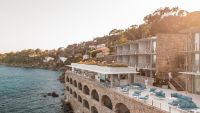
Acquiring a property on the coast represents a major investment, the costs of which can quickly come as a surprise. Property prices in the most exclusive coastal municipalities now rival those of the world’s most expensive metropolises. In Saint-Jean-Cap-Ferrat, the price per square metre regularly breaks the 15,000 euro barrier, while Arcachon and Biarritz show averages exceeding 7,000 euros per square metre. More affordable alternatives nevertheless remain in towns like Sète or Dieppe, where transactions fluctuate between 2,000 and just over 3,000 euros per square metre. For tenants, the trend is similar, with rents rising to over 17 euros/m2 in Biarritz and exceeding 13 euros/m2 in Sète. To refine your search, using valuation tools is particularly useful for tracking price trends.
Dealing with the summer tourist influx
During the summer season, the peace of seaside resorts gives way to intense bustle characterised by traffic jams, long queues and increased noise pollution. As an example, Arcachon sees its population multiplied by eight during the summer, growing from just over 11,000 year-round residents to a massive influx. This seasonal overpopulation phenomenon can be observed all along the French coastline: La Tranche-sur-Mer multiplies its numbers by four, Barneville-Carteret by five under normal circumstances, and Argelès-sur-Mer records a spectacular increase, multiplying its population by fifteen.
Adapting to the quiet of the low season
Conversely, the arrival of winter plunges some coastal municipalities into a quietness that can prove disconcerting for new residents. In localities where the proportion of second homes is particularly high, the atmosphere changes radically out of season. The closed shutters of deserted villas and the temporary closure of many local shops profoundly alter the daily atmosphere, imposing a very quiet pace of life that should be anticipated before any permanent move.
The viability of the local job market
The economy of coastal areas is highly seasonal, which can complicate the search for long-term professional activity. While dynamic urban areas like La Rochelle or Brest maintain an active job market year-round, other smaller municipalities mainly offer temporary positions. For residents of Cavalaire, for example, the need to commute daily to urban hubs like Hyères or Toulon is often necessary to maintain stable employment, directly impacting quality of life.
Organising schooling for children
Educational provision is another point of vigilance for families wishing to settle on the coast. Although nursery and primary schools are generally present in the majority of seaside resorts, the situation becomes more complex for secondary education. Middle and high schools are mostly located in the surrounding medium-sized urban centres. For children, this translates into considerably longer daily travel times, whether by school bus or car, or even the need to consider boarding school.
Access to local medical facilities
Distance from major hospital facilities is a reality for many coastal municipalities. Some small seaside resorts only have a limited medical network, sometimes restricted to a single general practice and a local pharmacy. Before making a final geographical choice, analysing the local healthcare map is essential, particularly for families with young children and for seniors wishing to ensure optimal medical follow-up.
Availability of transport and public services
The quality of public transport links fluctuates greatly from one region to another. Coastal municipalities well integrated into the networks of large urban areas on the Atlantic coast or Languedoc benefit from regular year-round connections. Conversely, more isolated localities often reduce their transport to the bare minimum out of season. Furthermore, the gradual ageing of the permanent population in certain coastal areas can steer community and cultural offerings towards less diverse activities or those poorly suited to the expectations of younger generations.
The reality of the marine climate out of season
The postcard image of an eternally sunny coastline often clashes with the harshness of the oceanic or Mediterranean climate in winter. The violent winds that regularly sweep across the Atlantic coast, the persistent humidity characteristic of certain northern bays, or the intense and recurring heatwaves on the Mediterranean coast are reminders that the coastal climate has marked seasonal variations that one must be prepared to accept all year round.
The impact of coastal environmental risks
The vulnerability of coastal territories to climate change is a notable administrative and physical reality. Accelerated coastal erosion, the risks of marine flooding and recurring storms are leading many municipalities to implement natural risk prevention plans. These restrictive measures lead to a significant increase in insurance premiums and can make certain plots permanently unbuildable in the short or medium term.
Succeeding in your project to move to the seaside
Changing your life to live by the ocean implies a profound redefinition of your daily habits. While a peaceful living environment is very real, it comes with new logistical constraints and a sometimes limited cultural offering. To validate your project with peace of mind, renting a property for several months in the low season is the most prudent approach to test the reality of this new lifestyle before committing to a permanent purchase.