


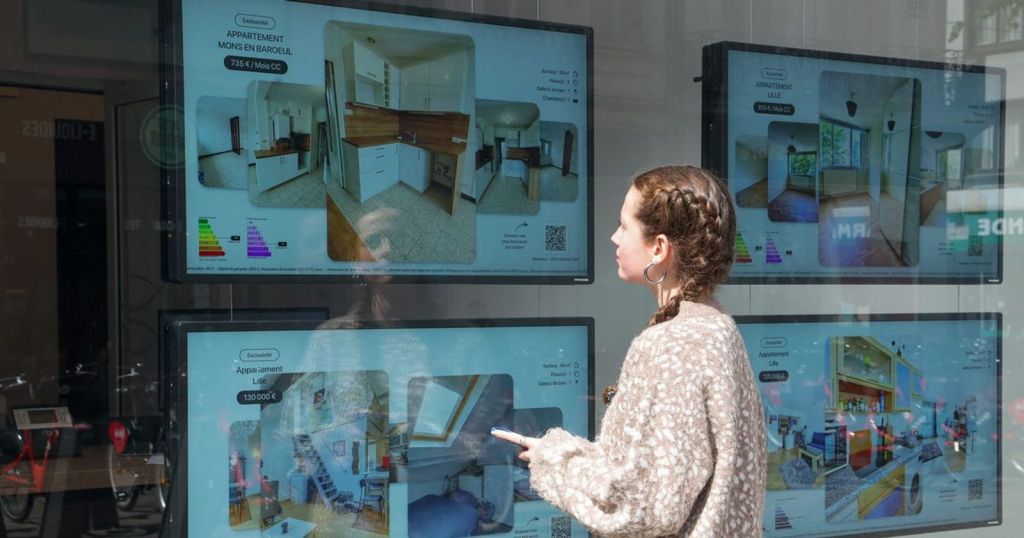
In brief
- A notable increase in the number of student housing listings on the Côte basque for the start of the 2026 academic year.
- A market influenced by the anti-Airbnb regulations introduced in 2023 and rent controls applied from 2024.
- The growth of mixed leases in Anglet and Bayonne, with average rents ranging from 550 to 750 euros.
On the Côte basque, preparations for the start of the university year are accompanied by an unprecedented signal for students looking to settle in Bayonne, Anglet or neighbouring municipalities. Whilst property pressure and the region’s tourist appeal have historically made finding a rental complex, the combined application of measures restricting tourist rentals and rent controls is changing the local property dynamics.
This major development comes at a time when south-western coastal towns are facing a constant influx of newcomers, drawn by the gentle lifestyle and cultural dynamism of the Pays Basque. The duality between the tourism economy and the needs of the local population, particularly students, has long created a structural imbalance. Today, the first signs of a market realignment are being felt, offering new prospects for young tenants as the start of term approaches.
The territorial context and historical market tension
The Côte basque territory, characterised by its narrow urbanised coastal strip and high concentration of economic activity, has for several decades been under extraordinary property pressure. The appeal of the Bayonne, Anglet and Biarritz conurbation creates direct competition between different categories of residents. On the one hand, tourists and second-home owners have high purchasing power; on the other, local workers and the student population struggle to find affordable, sustainable housing solutions close to their places of work or study.
Local university infrastructure, spread across several campuses between Bayonne and Anglet, welcomes thousands of students enrolled in various courses each year. For these young people, the search for a home frequently turned into a complex journey, often forcing them to move further inland or accept precarious living conditions. The massive growth of short-term rental platforms had exacerbated this situation by removing a considerable number of studios and small apartments from the traditional rental market in favour of tourist stays of just a few nights.
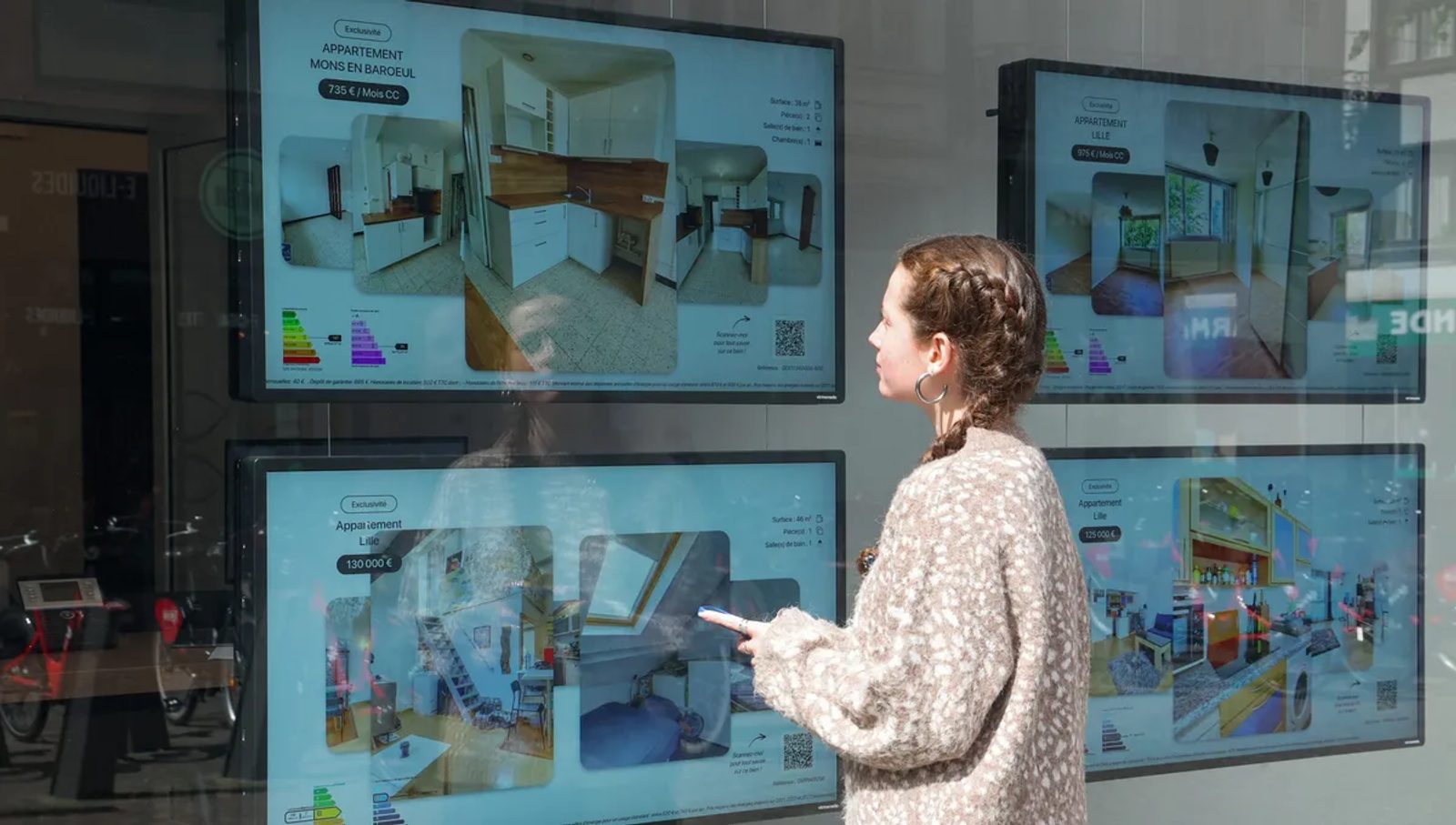
An unprecedented lull in the Bayonne market
An unprecedented rebalancing of the rental market
At the end of August 2026, studios are still available for rent in the Bayonne area. This phenomenon points to a slight rebalancing of the sector, which is traditionally saturated from the beginning of summer. Pierre, a landlord offering four studios adjoining his main residence in Bayonne, has noticed this shift in timing: he received around thirty applications in two weeks for a property that is still available, whereas in previous years there were between 40 and 50 applications over similar periods.
The entry into force of the so-called anti-Airbnb regulations in 2023 and rent caps in 2024 is beginning to make its effects felt on the Basque coast. While specialists remain cautious about long-term sustainable stabilisation, the legal framework is encouraging some owners to reconsider the management of their property assets in favour of students. The introduction of strict compensation rules for tourist rentals in high-demand areas has made operating second homes as short-term lets considerably more complex.
At the same time, the rent controls introduced in 2024 impose strict limits on rent levels, thereby reducing hopes of excessive speculative yields for some investors. Faced with these growing administrative and tax constraints, year-round or academic-year letting is once again becoming an attractive alternative for owners wishing to secure their rental income while avoiding the tedious daily management tasks associated with the constant flow of summer travellers.
The strategic growth of the mixed rental model
The strategic growth of mixed leases
To cope with local administrative constraints, a contractual formula is gaining ground among investors and private landlords: mixed letting. The legal framework now imposes rigorous rules on financial compensation for any summer tourist letting, but provides a specific exemption when the apartment is let to a student from September to May. This exemption mechanism has particularly developed in popular seaside areas, such as the Chambre d’Amour district in Anglet.
This option is particularly sensible for owners wishing to retain the use of their property during the summer period or to maximise its yield during the peak tourist months of July and August. The student contract, concluded for a non-renewing nine-month period, thus offers valuable flexibility. Landlords benefit from rental stability during the academic year and a smooth transition to seasonal or personal use at the height of summer, thereby legally bypassing some of the permanent restrictions on change of use.
Jeanne, a furnished property manager in the sector for two decades, confirms the increase in properties returned to the student rental market. This increased availability forces owners to stand out, creating healthy competition around attractive features such as the exact location, the presence of a balcony or access to private parking. The criteria for evaluating potential tenants are also becoming more qualitative, with landlords paying closer attention to the overall presentation of applications and the strength of the guarantees provided by families.

An upgrading of the housing stock
Towards an overall upgrading of properties
In addition to the increase in the volume of available offers, the profile of the apartments is also undergoing a qualitative transformation. Designed to accommodate travellers during the summer period, the furnished properties redirected towards student leases generally benefit from modern renovations and high-end fittings. Landlords are reinvesting in interior design to maintain optimal appeal throughout the year. Fitted kitchens, meticulous decor and state-of-the-art technological equipment, once reserved for high-end tourist clientele, are now an integral part of the daily lives of students settled on the Côte basque.
This significant improvement in housing quality represents an undeniable asset for the daily comfort and working conditions of young university students. Substandard or poorly insulated housing thus tends to be marginalised by a more virtuous and better-maintained offering. The investment effort made by owners to attract holidaymakers directly benefits students during the academic year, thereby raising the general standard of the housing stock destined for young people.
However, these upgraded services come with specific pricing. The majority of studios positioned in this way are listed at rental values of between 550 and 750 euros per month. These amounts sometimes represent a high financial burden for a segment of students with more limited budgets, despite a more abundant overall supply. Housing benefits and family support remain essential elements in balancing tenants’ budgets in the face of rents which, although controlled, lie at the upper end of the financial capacity of a young audience.
The inherent limitations of the nine-month lease model
Although the resurgence of nine-month leases brings an undeniable breath of fresh air at the start of each academic year, this hybrid system also raises legitimate questions regarding its sustainability for a student’s entire university journey. The main pitfall lies in the contractual obligation to vacate the premises before the summer period, usually at the end of May or the beginning of June. This time constraint often coincides with end-of-year exams, resit sessions or mandatory professional internships that extend into the summer months.
For many students, this annual moving obligation causes additional stress and significant logistical costs. Having to temporarily store personal belongings or find backup accommodation for a few summer weeks is complex in an area where short-term rates skyrocket as soon as the warm weather arrives. The challenge for local authorities and academic stakeholders therefore remains to transform this temporary respite into a model of sustainable access to housing throughout the calendar year.