

- Champagne can accompany an entire meal, from starter to dessert.
- Each style (Brut, Blanc de Blancs, Rosé, Vintage) calls for specific pairings.
- Temperature and glassware play a key role in the tasting experience.
Too often confined to the aperitif, champagne is in reality a superb gastronomic wine. Its freshness, bubbles, and diversity of styles make it an ideal companion throughout a refined meal. Here’s how to pair it.
Understanding the Styles
Each champagne possesses a distinct personality that guides its pairing. A Blanc de Blancs, lively and mineral, enhances seafood. A classic Brut, balanced, accompanies poultry and creamy dishes. A Rosé, more structured, pairs with white meats and flavourful fish. A Vintage, full-bodied and complex, deserves dishes of character.
Pairings by Course
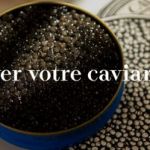
Champagne adapts beautifully to each course. For starters, it pairs exquisitely with caviar, smoked salmon, or a velouté. For a main course, a vinous champagne stands up to lobster or celebratory poultry. Soft cheeses reveal its freshness. For dessert, a demi-sec champagne accompanies fruits and lightly sweetened pastries.
The Rules of Tasting
Proper service is paramount to enjoyment. Serve champagne at around 8 to 10 degrees, in a glass wide enough to release the aromas rather than a narrow flute. Avoid over-chilling it, which masks its complexity. Well-chosen and well-served, champagne transforms a dinner into a true celebration of the senses.