


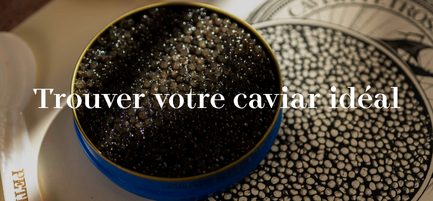
- Caviar comes from sturgeon roe, with several species yielding distinct varieties.
- Beluga, Oscietre, and Sevruga are the classic varieties, now sourced from sustainable aquaculture.
- Tasting follows precise rules to reveal the product’s full delicacy.
The ultimate symbol of gastronomic luxury, caviar fascinates with its rarity and delicacy. Yet, behind this single word lie several varieties with vastly different flavours. Here’s how to navigate them and appreciate this exceptional delicacy.
The Main Varieties
Each sturgeon species yields caviar with its own distinct character. Beluga, the rarest, offers large grains and a wonderfully smooth flavour. Oscietre, amber to brown, captivates with its nutty notes. Sevruga, with finer grains, stands out for its marked intensity. Today, responsible aquaculture has replaced wild fishing, ensuring consistent quality.
French Caviar
France has established itself as a leading producer. Particularly in Aquitaine, various houses raise sturgeon in pure waters, producing caviars acclaimed worldwide. This demanding and traceable local production combines expertise with environmental respect, offering an excellent alternative to historical origins.
The Art of Tasting
Fine caviar is best savoured simply, to mask nothing. Serve it well chilled, with a mother-of-pearl spoon · never metal, which can alter the taste. A few grains on the back of your hand, a blini, or a warm potato are sufficient. Accompanied by champagne or chilled vodka, it then reveals its full iodised delicacy.