


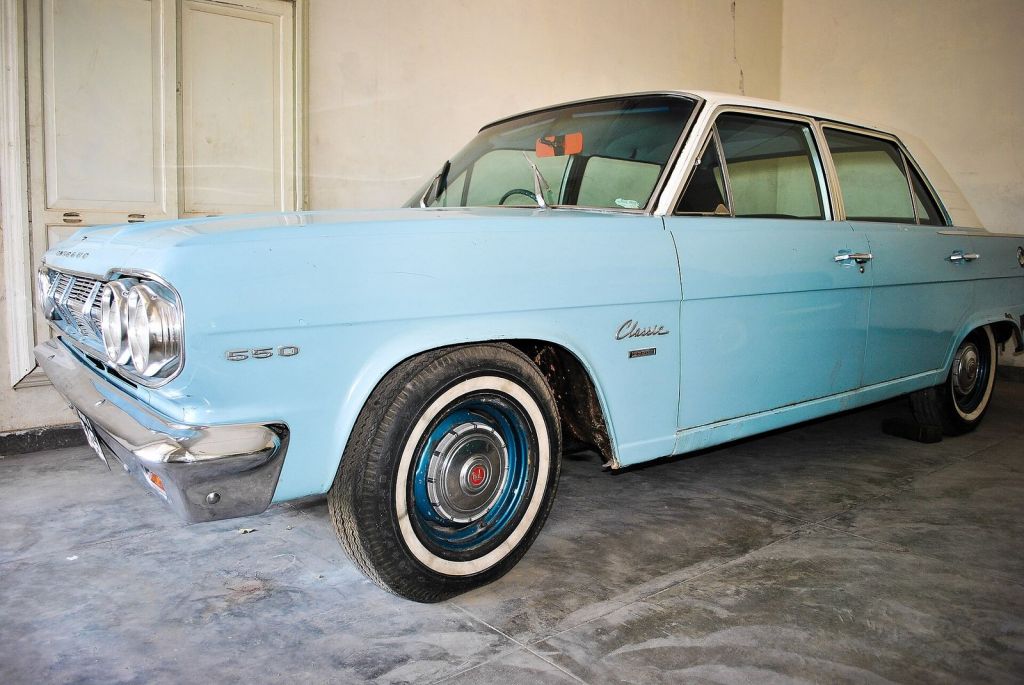
- A classic car’s value depends on its rarity, condition and history.
- Expert appraisal and traceability are essential before any purchase.
- A fine example combines driving pleasure with patrimonial potential.
Buying a classic car is both a passion and an investment. But the market holds pitfalls, and not all vintage cars are equal. Here are the keys to acquiring an exceptional piece with complete peace of mind.
Define your project
The first choice is to distinguish pleasure from investment. Some seek a car to drive at the weekend, others a rare piece to appreciate in value. The budget does not stop at the purchase price: maintenance, storage, insurance and restoration all weigh heavily. Better to aim for a model whose costs and constraints you can manage.
Check the condition and history
Original condition and traceability make all the difference. A “matching numbers” car, with its engine and components original, is worth far more than one restored to look the part. The service book, invoices and ownership history reassure buyers. An independent appraisal before purchase is strongly advised to avoid unpleasant surprises.
Understand market value
Value follows a model’s rarity, desirability and history. Limited series, racing cars or those linked to a personality appreciate the most. Conversely, a poorly documented restoration or an overly common model limits the potential. Studying auction results gives a reliable picture of the market’s real prices.
Buy in the right place
The purchase channel determines confidence. Recognised specialists, auctions and marque clubs offer more guarantees than an opaque transaction. Take the time to drive the car, have it inspected and negotiate on objective grounds. A well-chosen classic car brings rare pleasure, doubled with a rolling heritage.