
In brief
- Le Bourget Airport establishes itself as Europe’s leading business aviation hub.
- This infrastructure generates 4,500 direct jobs and 8,000 indirect jobs in Seine-Saint-Denis.
- Major industrial leaders such as Dassault Falcon Service, Air France Industries and Thales are based there.
- The future Line 17 of the Grand Paris Express will strengthen the integration of this hub within the metropolis.
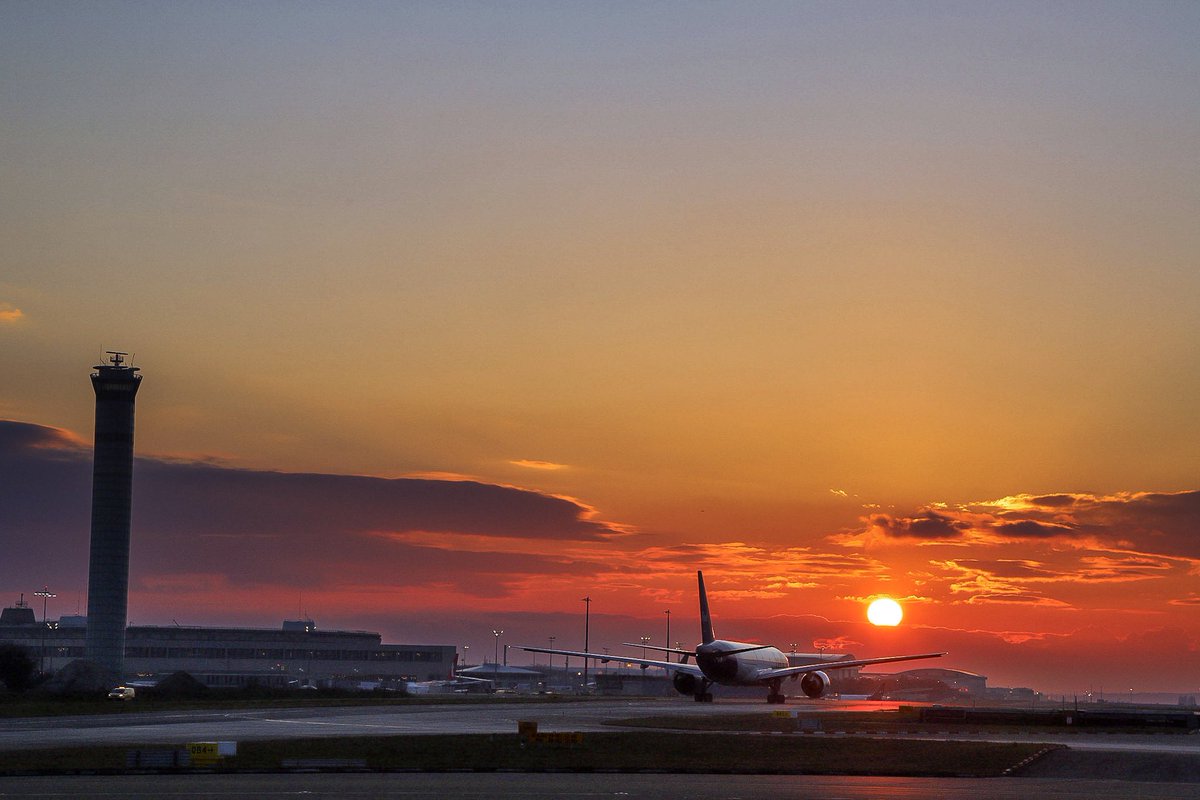
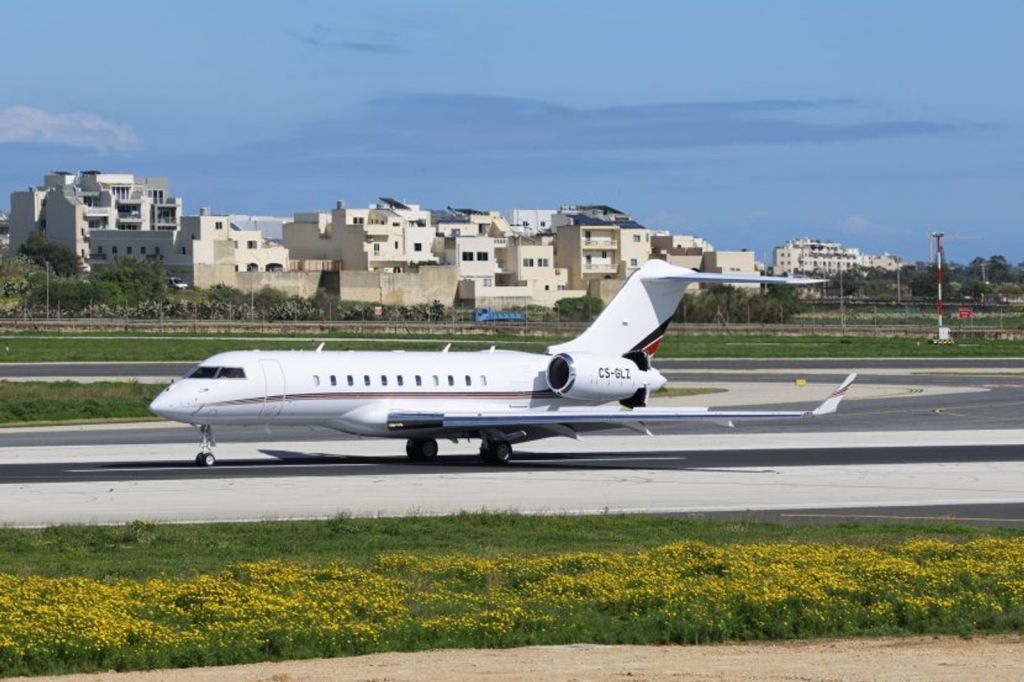
In this month of August 2026, business aviation at Le Bourget Airport has established itself as the true economic engine of Seine-Saint-Denis, structuring industrial activity far beyond the cultural image promoted by the department. While the area has cultivated an image focused on culture and sport since the Olympic Games, this world-class airport platform continues to discreetly generate crucial local wealth.
The history of this exceptional site is part of the great saga of French aviation. From its historical origins, Le Bourget has evolved to adapt to changes in global air transport. Once the capital’s principal civil airport, it underwent a major strategic conversion to become an essential meeting point for global business leaders, official delegations and high-value corporate flights. Today, this exclusive specialisation in business aviation allows it to occupy a dominant position on the European stage, making Seine-Saint-Denis the nerve centre of highly efficient global connectivity.
Infrastructure technical specifications
- Status: Leading business aviation hub in Europe
- Direct jobs: 4,500 positions
- Indirect jobs: 8,000 positions
- Economic weight: 27% of jobs across the four bordering municipalities
- Key players: Dassault Falcon Service, Air France Industries, Thales
- Future connectivity: Line 17 of the Grand Paris Express
An economic dynamic driven by business aviation
Beyond the spotlight on the film studios of La Plaine Saint-Denis and the dynamism of the Cité du Cinéma, another economic reality, more subdued yet remarkably powerful, is unfolding just a few kilometres away. Paris-Le Bourget Airport stands out as Europe’s leading business aviation hub. Far from being a mere transit runway for hurried decision-makers, this historic infrastructure deeply structures the industrial and service sector activity of a department undergoing rapid transformation.
This economic dynamic is not limited to managing high-end aircraft movements. It encompasses a multitude of specialised services that meet the demands of a particularly discerning international clientele. The operational excellence required to handle these VIP flights creates a complex value chain, ranging from top-tier ground handling to ultra-fast logistics. This concentration of specialised service-sector activities attracts continuous financial flows that nourish the entire Île-de-France economy, making this airport enclave an indispensable cog in the capital region’s competitiveness.
Major social impact on bordering municipalities
The presence of Le Bourget Airport exerts a decisive influence on the social and economic structure of the surrounding municipalities. In a department characterised by major employment integration challenges and a young population, the airport hub acts as a true social stabiliser. The jobs generated on site, which often cannot be relocated due to the physical nature of the infrastructure and technical maintenance, offer concrete career development opportunities for local residents.
The development of this hub fosters local synergies, particularly through specialised technical training and local partnerships. Reception, security, precision logistics and high-end hospitality services provide numerous opportunities for professional integration for local youth. By promoting access to skilled professions within internationally renowned organisations, the airport helps elevate regional employability levels and boost the surrounding commercial fabric.
Strong economic indicators
The figures demonstrate this significant influence on the local economic fabric. Le Bourget Airport alone generates 4,500 direct jobs and 8,000 indirect jobs, accounting for nearly 27% of the payroll across the four municipalities bordering its runways. For these areas in Seine-Saint-Denis, the site serves as a social cushion and a notable vector for professional integration, firmly anchored in the Île-de-France landscape.
This considerable proportion demonstrates the extent to which the economic life of neighbouring municipalities is intimately linked to the hub’s health. The tax contributions of companies located in the airport zone represent an indispensable resource for local authorities, enabling them to fund public facilities and local social programmes. The ongoing stability of these economic indicators confirms the resilience of the airport’s business model, capable of maintaining high activity levels independently of cyclical fluctuations that may affect other, more traditional industrial sectors.
A high-tech industrial hub
The technological dimension of Le Bourget Airport relies on a network of highly qualified skills in cutting-edge aeronautical maintenance. This hub does not merely handle aircraft take-offs; it houses research laboratories, prototyping centres and precision engineering workshops where tomorrow’s aeronautical standards are forged. The strict requirements associated with the airworthiness of business aircraft demand maintenance processes of absolute rigour, fostering a culture of precision and constant innovation.
This concentration of industrial expertise creates a ripple effect across the entire regional technology sector. The skills developed on site in avionics, embedded electronic systems and composite materials engineering attract a highly skilled workforce of engineers and senior technicians. This talent pool enhances Le Bourget’s attractiveness, progressively transforming this historic area into a modern technological campus where high-precision industrial craft meets cutting-edge research.
A cutting-edge industrial ecosystem
This platform does not merely accommodate high-end aircraft; it also concentrates top-tier industrial expertise. Almost a hundred specialised companies have chosen to establish themselves here, including national flagships such as Dassault Falcon Service, Air France Industries and Thales. This concentration of aeronautical engineering and maintenance bestows a major technological dimension upon Le Bourget, extending far beyond the management of wealthy passenger flows.
The presence of these global leaders structures an exceptionally dense subcontracting network. Dozens of innovative small and medium-sized enterprises specialising in precision machining, metrology or aeronautical software revolve around these prestigious prime contractors. This physical proximity fosters rapid skill transfers and operational responsiveness essential to the demands of business aviation. The resulting ecosystem stands out as one of the most comprehensive and high-performing on the European continent, sustainably consolidating national industrial sovereignty in strategic sectors.
Seine-Saint-Denis’ dilemma between culture and industry
The strategic positioning of Seine-Saint-Denis fluctuates between two complementary, yet at times contrasting, visions of its territorial development. On one hand, public authorities and local stakeholders actively promote the emergence of a creative economy, symbolised by cultural industries, digital hubs and the urban renewal inherited from major international events. This strategy aims to showcase the social and artistic innovation potential of a particularly dynamic, multicultural population.
On the other hand, the foundation of the department’s economic power remains firmly rooted in heavy international infrastructure, foremost among which is Le Bourget Airport. This traditional industrial hub ensures steady revenue streams and offers jobs with high technical added value that contrast with the insecurity sometimes associated with event-driven or artistic sectors. Reconciling the development of these two economic models represents a major urban planning and social cohesion challenge for the future of the Paris metropolis.
Between industrial dynamism and cultural influence
The contrast is particularly striking when compared to the new identity that Seine-Saint-Denis has sought to project since the Olympic Games. The department, which strives to embody French creativity through the renewal of the Pleyel district and its cultural industries, nevertheless derives a vital portion of its prosperity from hosting private jets and a wealthy international clientele. The future Line 17 of the Grand Paris Express will soon connect Le Bourget to the rest of the metropolis, physically bringing these two worlds closer together without necessarily clearing up questions about the co-existence of these two economic models.
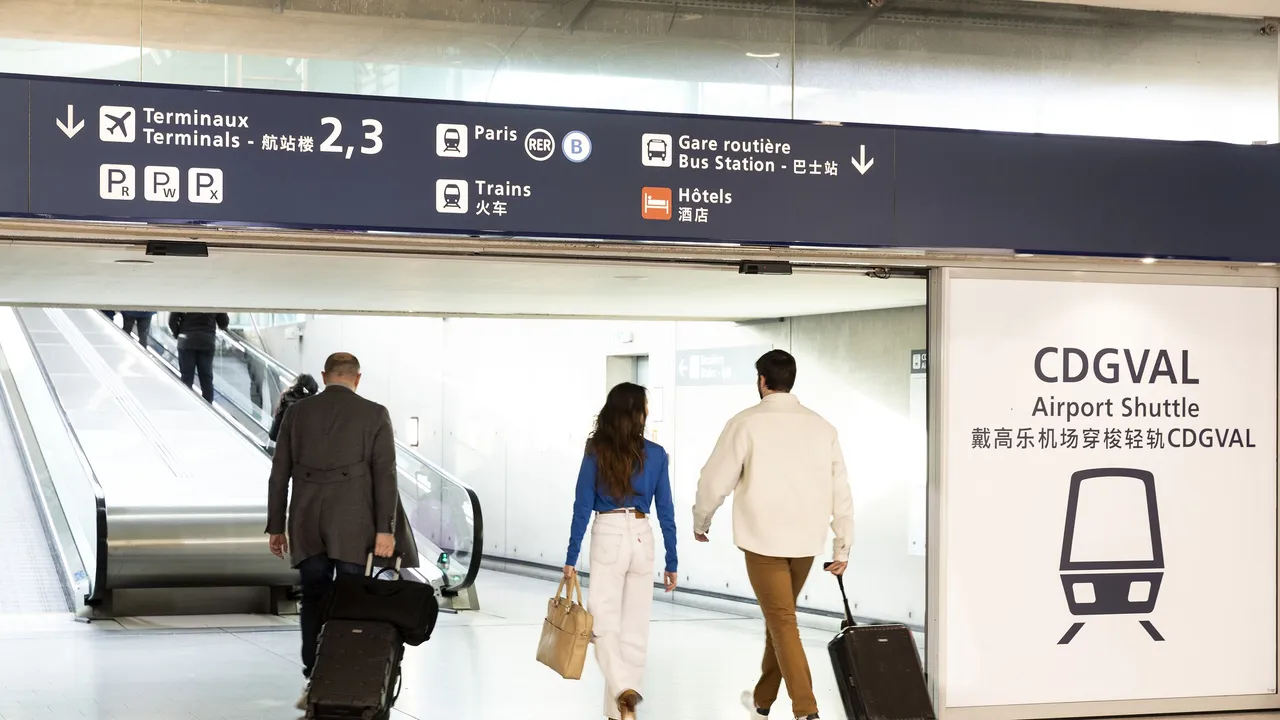
The arrival of this new rail infrastructure will profoundly alter the territorial landscape by permanently opening up the airport zone. By seamlessly and swiftly connecting the aviation hub to major Parisian decision-making centres, La Plaine Saint-Denis and Roissy-Charles de Gaulle Airport, Line 17 will facilitate employee travel and enhance the site’s attractiveness to future investors. This modern interconnection will help build physical bridges between the world of high-tech industry and that of contemporary creation, shaping a multifaceted Seine-Saint-Denis capable of combining the industrial rigour of business aviation with the vibrancy of its new cultural districts.