

In brief
- 122 euros: the average price of a night’s stay in a 5-star hotel in Caen.
- Caen: the French destination taking first place for affordable luxury hospitality.
- Hotel Price Index™ 2026: the industry publication from which this pricing study is drawn.
- 190 euros: the nightly rate under which five other cities in the ranking remain.
In brief
- With an average price of 122 euros per night, Caen ranks first in France for 5-star hospitality.
- The Norman city stays ahead of five other destinations offering affordable luxury rates below the 190-euro mark.
- Metropolises such as Bordeaux or Strasbourg show average prices up to twice as high.
According to the analysis from the Hotel Price Index™ 2026 published by the industry, the city of Caen ranks first among French destinations for access to high-end establishments, recording an average price of 122 euros per night for a 5-star category room. This figure positions the Norman capital as an essential benchmark for travellers seeking excellent hotel services at a controlled rate.
The gap observed with other major urban centres in France illustrates a genuine pricing divide within the national market. While certain regional metropolises with strong tourist or economic reputations pursue very high pricing policies in the luxury segment, several medium-sized cities manage to maintain a very high-standard offering accessible at much more affordable rates. The analysis of booking data confirms that hotel luxury is no longer limited to hyper-frequented regional capitals, but finds a unique economic ground for development in cities with a rich heritage and a preserved living environment.
Caen at the peak of affordable hospitality
Caen’s inclusion at the top of the ranking testifies to the vitality and competitiveness of the hotel sector within the Norman city. With an average rate structure of 122 euros per night for 5-star services, the city demonstrates that a demand for superior quality—including personalised service, exceptional comfort and high-end amenities—can remain compatible with extremely moderate prices. This performance helps attract a clientele eager to experience the very high end without suffering the usual extra costs associated with major international tourist destinations.
Caen, champion of accessible luxury
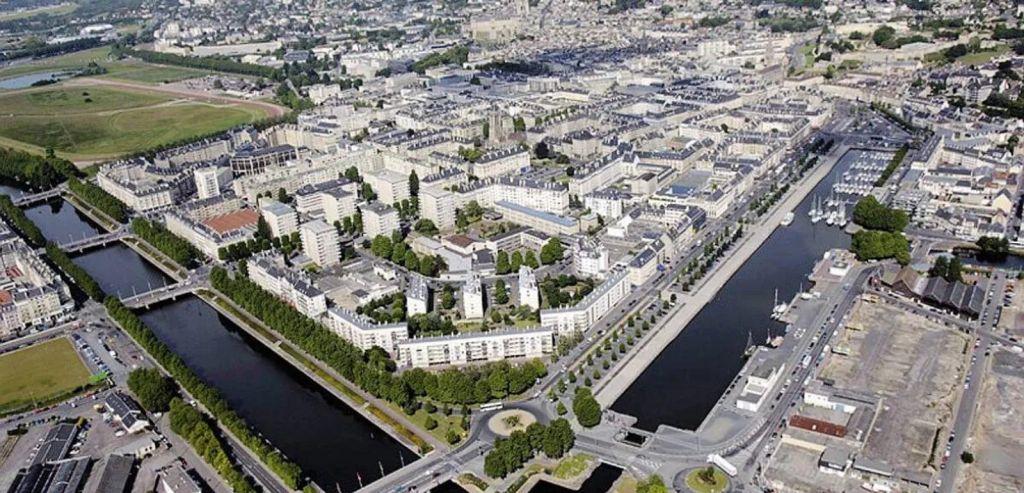
The prefecture of Calvados confirms its unique positioning within the French hotel landscape. The study based on booking data shows that the Norman capital manages to maintain a particularly moderate pricing structure in the very high-end segment, allowing the destination to occupy the top position nationwide.
This distinction lies at the heart of a territory with a strong cultural and historical identity. Nicknamed the ducal city due to its heritage linked to Guillaume le Conquérant, Caen benefits from a privileged geographical location, nestled between the green agricultural lands of Normandie and the immediate proximity of the English Channel coast. This geographical positioning offers visitors an ideal setting to alternate between coastal getaways and discovering the urban heritage.
The city’s appeal also rests on the diversity of stay profiles it welcomes throughout the year. The exceptional establishments of the municipality meet the expectations of a diverse clientele, combining remembrance and cultural tourism, business trips linked to regional economic activities, and historical tourism. The ability of local hoteliers to maintain moderate prices in the 5-star category stems largely from this mix of uses, which guarantees a steady occupancy rate without imposing excessive price volatility on passing guests.
The five cities completing the moderate rates ranking
Affordable 5-star alternatives in France
In the wake of Caen, the ranking highlights five additional destinations displaying moderate nightly rates for the 5-star category, all kept below the symbolic threshold of 190 euros a night:
- Troyes: 147 euros per night on average
The city of Troyes distinguishes itself in second place with an average of 147 euros per night. Famous for its preserved historic centre and architectural heritage, the Champagne city constitutes a privileged stopover for travellers seeking the prestige of high-end accommodation in a calm environment steeped in history.
- Toulouse: 150 euros per night on average
- La Rochelle: 157 euros per night on average
The metropolis of Toulouse offers an average price of 150 euros per night for its 5-star accommodation. The Ville Rose combines sustained economic dynamism with a highly sought-after South-West lifestyle, allowing it to offer competitive rates within a very active hotel market.
For its part, La Rochelle stands out on the Atlantic coast with an average of 157 euros per night. The maritime city takes advantage of its openness to the ocean and its historical setting to attract high-end stays at prices that remain particularly affordable in relation to the services provided.
- Carcassonne: 175 euros per night on average
Carcassonne enters the ranking with an average rate of 175 euros per night for a room in a 5-star establishment. An iconic global destination for its exceptional medieval heritage, the city manages to combine major tourist appeal with controlled luxury rates.
- Lyon: 186 euros per night on average
Finally, Lyon completes this selection of affordable destinations with an average price of 186 euros per night. Despite being one of the country’s major economic and gastronomic hubs, the Capital of the Gauls succeeds in keeping rates below the 190-euro threshold in the 5-star segment, thus offering an appealing alternative to other more expensive metropolises.
Overview of high-end pricing across French territory
A marked pricing gap with major tourist hubs
The compiled data reveals a significant pricing gap when comparing Caen to French metropolises with strong international appeal. By way of illustration, a 5-star night’s stay averages 228 euros in Lille, 271 euros in Strasbourg and up to 284 euros in Bordeaux, which is more than double the rate observed in the ducal city.
These disparities are explained by the pressure exerted by international business tourism, the presence of European institutions, or the prestige of major vineyards renowned worldwide. In Bordeaux as in Strasbourg, constant demand from an international business clientele and visitors with very high purchasing power maintains permanent pressure on prices. In contrast, Caen’s hotel offering benefits from a more balanced cost structure, allowing nightly costs to align with a more moderate local geographical and economic reality.
A hotel market preserved from metropolitan pressures
An exceptional market preserved from pressures
This financial appeal is mainly explained by the structure of the local market. Caen has a balanced hotel market, less exposed to the overcrowding and real estate pressure of major global destinations. Located at the crossroads of the coast and the Norman countryside, the city attracts a mixed clientele, combining cultural tourism, business travel and historical stays.
Control of land costs and the absence of massive tourist saturation are decisive factors in preserving these moderate rates. By avoiding the real estate overheating that characterises major regional capitals or the most popular seaside resorts, the hotel sector in the Calvados prefecture is able to optimise its operating costs. This economic stability is directly reflected in the prices offered to guests, ensuring an impeccable level of service without inflating the overall bill for the stay.
The diversity of activities available around the city also supports this positive dynamic. By being located at the centre of Norman discovery tours, Caen offers a strategic alternative to travellers who prefer to stay in an urban centre that is both quiet and equipped with all high-end amenities, while exploring the rural areas or beaches of the region.
Booking mechanisms and rate variations
Seasonal factors and tips for rate optimisation
Although Caen maintains an advantageous average, prices vary throughout the year. Summer peak periods, long weekends and local events influence pricing. The study suggests a few ways to optimise the bill, such as booking on a Sunday or targeting the month of January, periods when rate adjustments are most favourable.
The application of hotel rates is indeed based on yield management, a pricing optimisation technique that modulates prices according to real-time supply and demand. During the summer season, the increase in tourist numbers naturally leads to an upward adjustment of the price structure. In the same way, cultural events or professional gatherings organised within the Norman city cause temporary pressure on the number of available rooms.
Conversely, low-occupancy periods offer access to preferential rate conditions. The month of January, historically marked by a global drop in tourist travel after the end-of-year holidays, represents the most propitious time to benefit from the lowest prices on the market. Similarly, Sunday nights mark the transition between the flow of short weekend breaks and the return of business travellers on Monday morning, creating an ideal window of opportunity to enjoy the services of a 5-star establishment under exceptional economic conditions.