

In brief
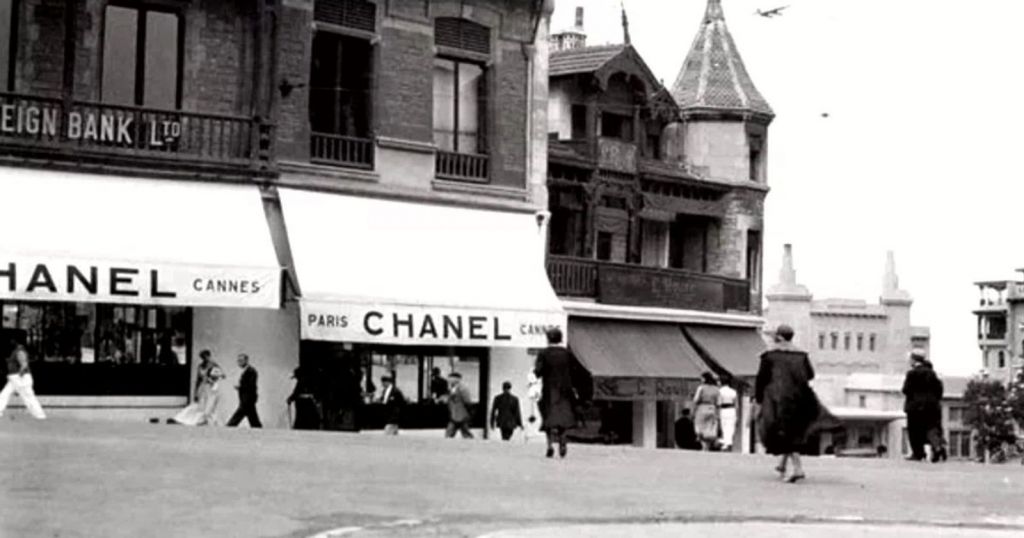
- In 1915, Gabrielle Chanel chose the villa Larralde in Biarritz to set up her first historic couture house.
- Between the wars, the town was home to nearly thirty leading independent couture houses.
- Figures such as Jean Patou and Paul Poiret developed revolutionary concepts there tailored to the Basque climate.
In 1915, the opening of Gabrielle Chanel’s first couture house sealed the fate of the Basque town forever with the prestigious history of haute couture, transforming this wild haven on the Atlantic coast into an essential capital of international elegance. From the historic workshops set up in the heart of the villa Larralde to the more recent cruise shows that brought global cinema icons such as Nicole Kidman and Tilda Swinton to the region, the passionate love affair between the double C label and this renowned seaside resort has traversed successive eras with the same grandeur and remarkable loyalty. This article invites you to delve into a true artistic and artisanal golden age, a flourishing era when the greatest couturiers of their generation vied in creativity and technical daring before the vast expanse of the ocean, laying the foundations of contemporary fashion.
Villa Larralde or the spark of creation
The Atlantic wind has always exerted an irresistible pull on great fashion designers in search of inspiration and renewal. It was precisely in this exceptional setting of the villa Larralde that Gabrielle Chanel chose to establish her first true couture house in 1915. It was a highly strategic and aesthetic choice for the young designer, who sought to flee the turmoil of the war while targeting a wealthy, cosmopolitan and privileged clientele who had taken refuge on the coast. The villa Larralde building, now steeped in history and collective memory, housed workshops buzzing daily with a unique creative fervour. Maïder Arosteguy, former mayor of the town, recalls that her own grandmother worked within these historic walls at the time. She recounts how the seamstresses worked passionately in the shadows, at the rear of the main building, to bring the designer’s revolutionary silhouettes to life.
The shadow army of seamstresses
These local workers, making up a true shadow army of talented seamstresses, were the essential engine of the couture house. Far from the splendour and showrooms where wealthy clients tried on the designs, these seamstresses worked in secluded workshops to bring the designer’s visions to life. Rigour was the watchword within these workshops, where craft skills were passed down through direct observation and the rigorous practice of cutting and assembling. These craftswomen demonstrated exceptional technical skill in handling light, supple fabrics, ensuring a perfect drape essential to meeting the house’s exacting standards. It was thanks to the daily dedication of these Biarritz seamstresses that the resort gained its prestige in the world of haute couture, forever linking local hand craftsmanship with the most prestigious creations of the era.
The rigour and audacity of the house of Chanel
Behind the meteoric and lasting success of the house of Chanel lay absolute technical rigour, orchestrated with constant precision by a collective of devoted craftswomen. Until 1939, more than sixty seamstresses worked daily in these Biarritz workshops to meet the demands of an aristocratic clientele who paid painstaking attention to the finest details. This demanding daily routine required near-surgical precision in cutting fabrics and fitting garments. Andrea Glasman, recruited by the house in the 1960s, still remembers clearly the iron discipline imposed by Mademoiselle Chanel. The latter categorically refused the use of bust darts on her famous little jackets, demanding that the cuts be altered to absorb surplus fabric completely invisibly. It was an exacting standard that could prove intimidating, extending even to the stairs of rue Cambon in Paris, where employees avoided crossing paths with the founder.
Biarritz haute couture: the secret stronghold of the Roaring Twenties
Between the wars, the seaside town established itself as the secret, favoured stronghold of the Roaring Twenties, attracting a cosmopolitan crowd in search of freedom, sport and casual elegance. High society gathered there to escape monotony and attend lavish seaside receptions. This concentration of aristocrats, artists and patrons generated considerable demand for garments suited to this new resort lifestyle. Couture thus adapted to the demands of the outdoors, sport and social leisure. Designers based in Biarritz successfully captured this desire for freedom of movement by lightening garment structures, shortening hemline cuts and using fluid fabrics. The town thus became an incubator for modern trends, a prime vantage point for observing the evolving tastes of high society at the time.
The golden age of grand couturiers on the Basque Coast
The vibrancy of the Basque town was not limited to the realm of Gabrielle Chanel’s house. Between the wars, Biarritz established itself as a major creative hub, home to nearly thirty leading independent couture houses. Among these prestigious names, the house of Germaine Couture, founded in 1921 by Germaine Long-Savigny, perfectly illustrates the audacity and determination of women entrepreneurs during this pivotal era. In 1921, to open Germaine Couture, its founder had to obtain a certificate of life and good character, an administrative document highly symbolic of the societal barriers imposed on women of the period. The family archives, treasured and preserved by her granddaughter, Nathalie Beau de Loménie, bear witness today to this remarkable entrepreneurial energy that helped permanently reshape the cultural and economic identity of the Basque coast.
A style laboratory facing the ocean
The town’s geographical location, exposed to the elements and the influence of the ocean, served as a true style laboratory for fashion designers. The coast’s unique weather conditions forced couturiers to rethink the ergonomics and fabrics of their collections. Garments needed to be not only elegant, but also practical, capable of withstanding the sea breeze while providing optimal comfort for promenading along the seafront. Traditional Parisian haute couture fabrics were thus reassessed in favour of lighter, more supple and resilient materials. Biarritz’s beaches were transformed into open-air catwalks, where women displayed silhouettes freed from the constraints of the past, proving the perfect blend of couture elegance and resort informality.
A style laboratory facing the ocean
This unique concentration of talent made Biarritz a true open-air fashion laboratory whose influence extended far beyond the region. Paul Poiret, one of the first major couturiers to settle on the coast, introduced his corset-free vision there, revolutionising women’s clothing. Jean Patou invented the innovative concept of mid-season wear, astutely noting that the changing climate of the Basque coast called for novel transitional garments combining comfort and elegance. Jeanne Lanvin, for her part, drew direct inspiration from the shifting blue hues of the waves to design her iconic Vacances à Biarritz 1928 collection. Today, this prestigious heritage could soon find new life through the proposed project for a museum dedicated to the history of the house of Chanel in the town, perpetuating this historic connection.
The contemporary influence of Biarritz couture
The legacy of this glorious era continues to resound strongly within the cultural identity of the Basque town. This illustrious past is not preserved solely in history books or family archives; it also manifests through the enduring interest of major contemporary houses in the region. The project to create a museum space dedicated to the story of the house of Chanel in Biarritz forms part of this desire to showcase an exceptional heritage to the general public and fashion enthusiasts worldwide. By shining a fresh light on the exceptional craftsmanship of the seamstresses and the bold vision of interwar designers, the town reaffirms its historic standing as a crossroads of elegance, where the beauty of the coastal landscapes continues to inspire today’s creative minds.