

At a glance
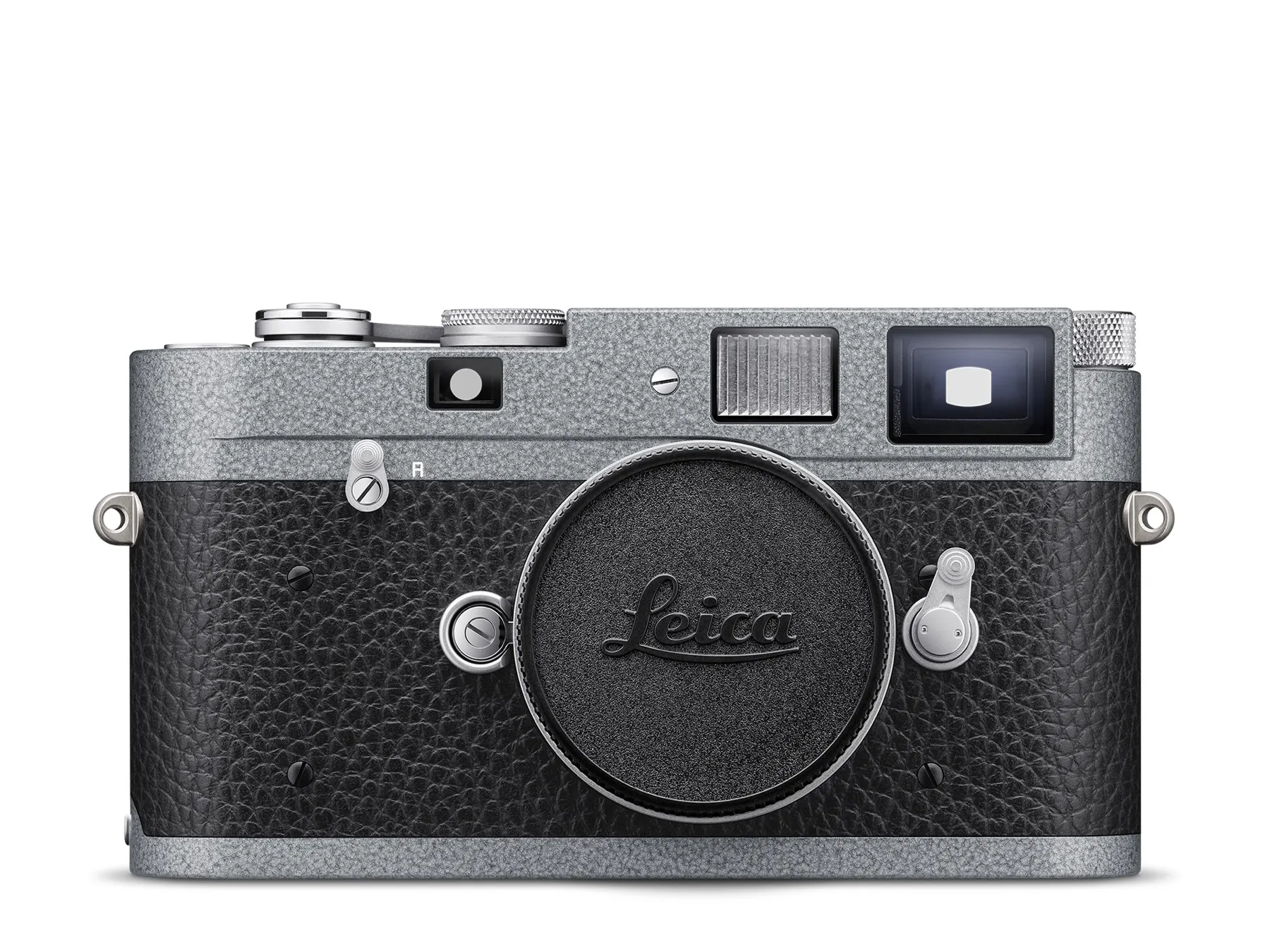
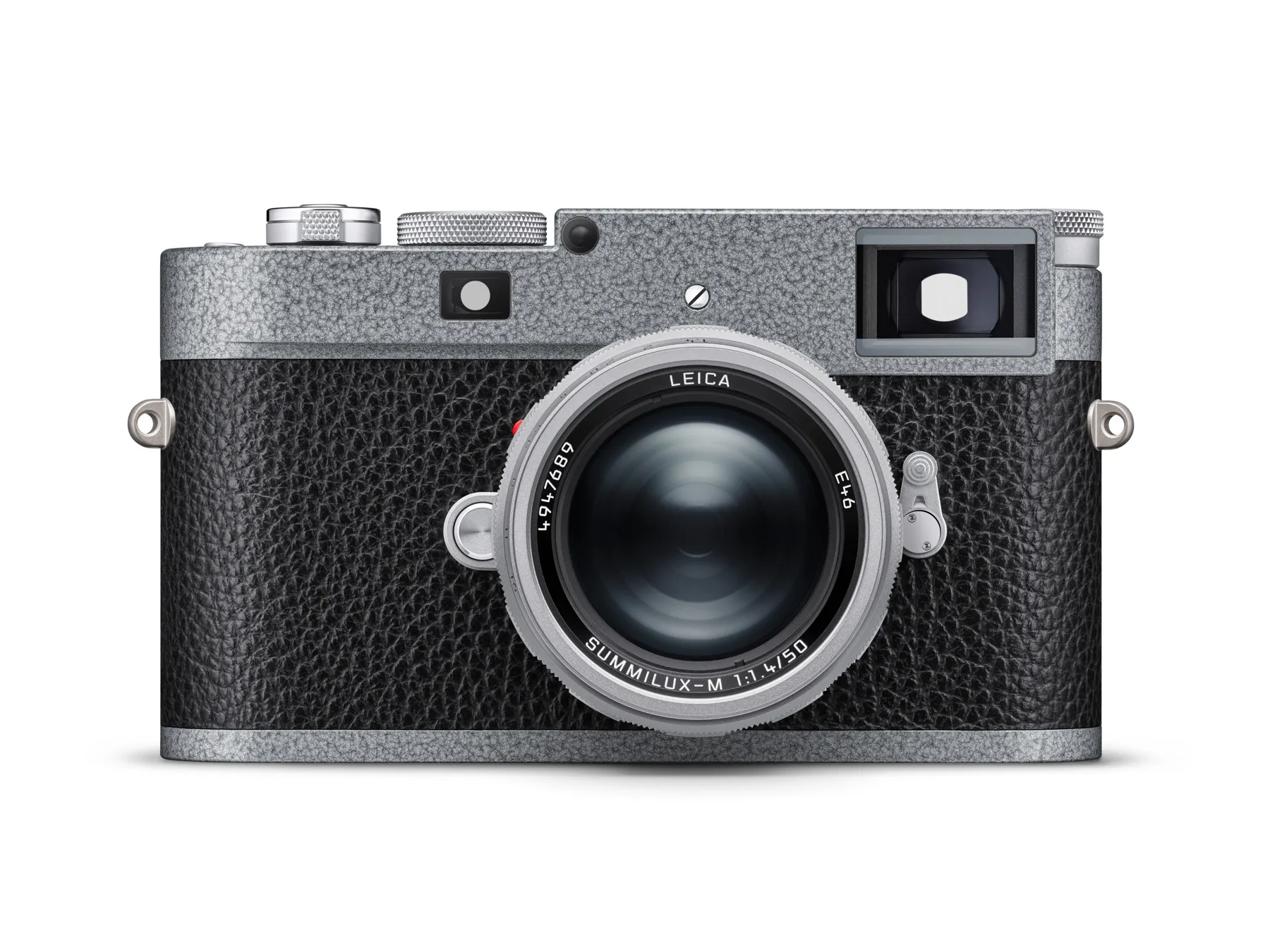
- What? Leica is dressing two of its M cameras, the film M-A and the digital M11-P, in a grey hammered finish known as Hammertone.
- How much? €6,650 including VAT for the M-A Hammertone and €9,950 including VAT for the M11-P Hammertone, Leica’s recommended retail prices.
- When? On sale worldwide since 12 November 2026 in Leica Stores, on the brand’s online store and from authorised dealers.
- One of a kind: the texture forms as the paint dries, in Wetzlar, so no two bodies are identical.
- Production run: Leica has not disclosed any number of units.
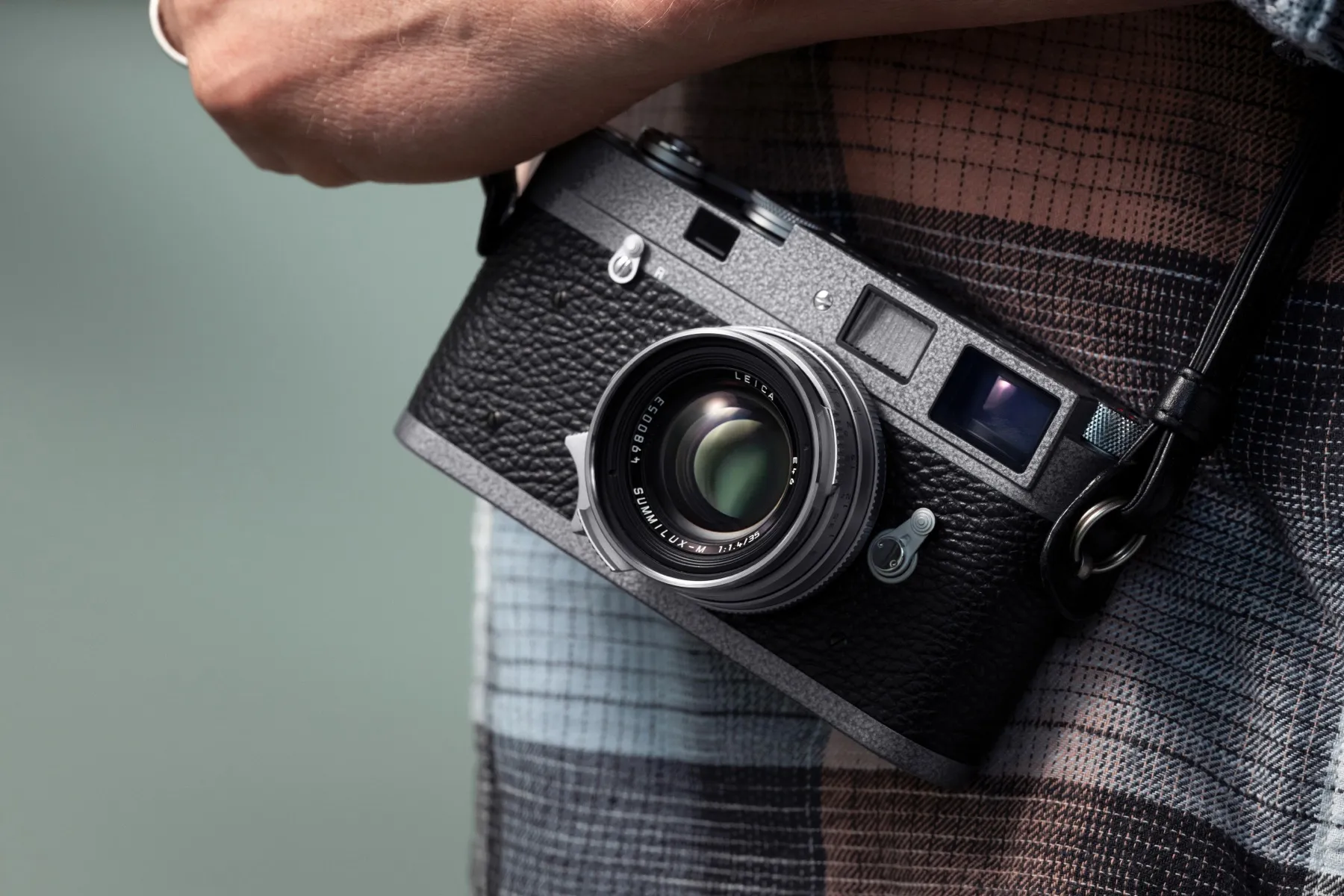
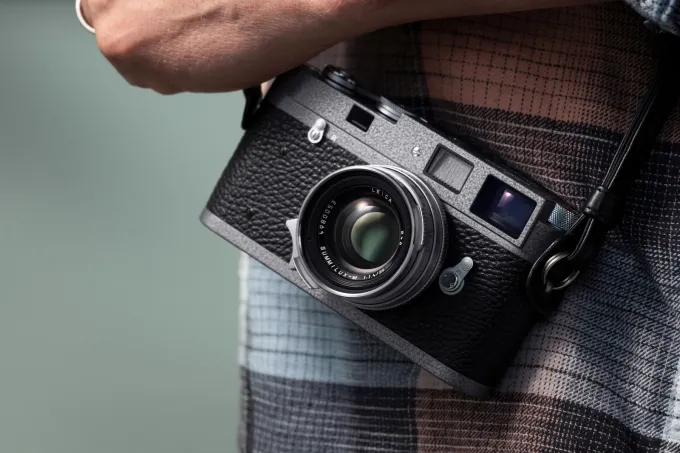
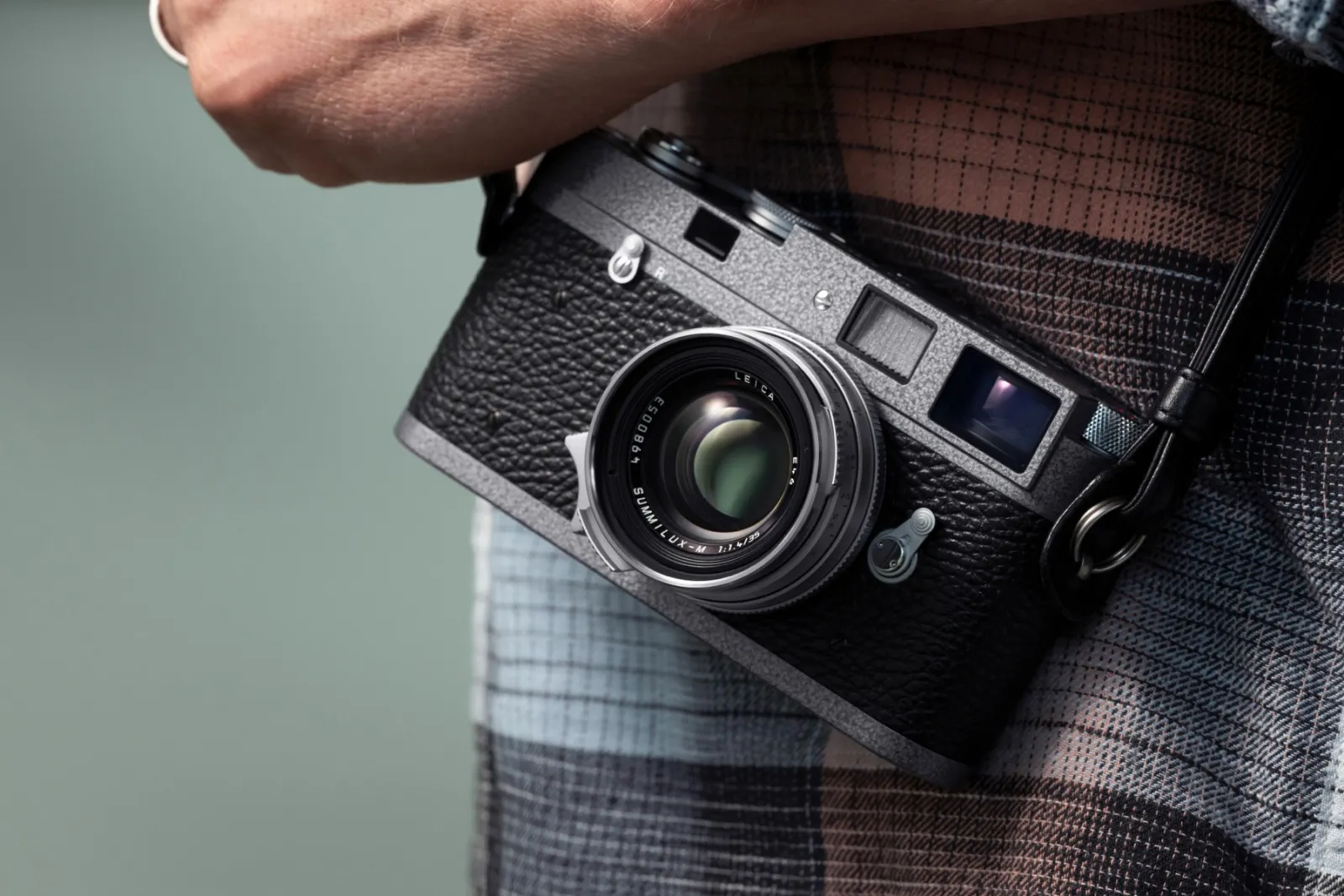
On 12 November 2026, Leica Camera AG unveiled two variants in its M range, the Leica M-A Hammertone and the Leica M11-P Hammertone. The Wetzlar brand is bringing back a finish it has only used on a few rare series, and applying it to both a film body and a digital body. Beneath the paint, both cameras share the specifications of their standard models.
An industrial finish born in the 1930s
According to Leica’s press release, the hammertone finish has symbolised the combination of durability and technical aesthetics since the 1930s. In industrial design, particularly in Germany, it long signalled functional, reliable instruments. On Leica cameras, however, it remained a rarity, and it is still particularly sought after today.
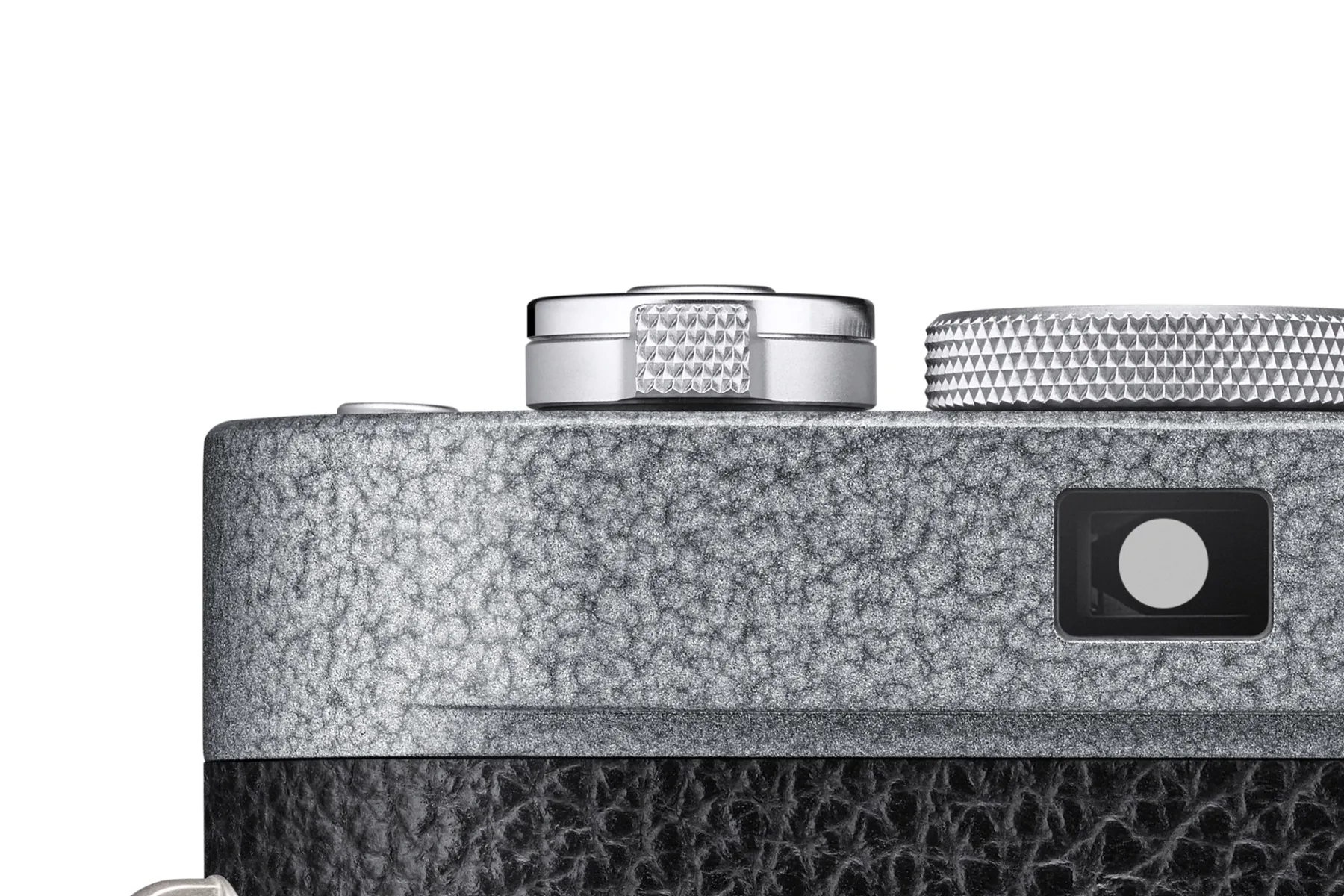
The texture forms during drying: metal pigments and special additives create subtle variations in surface tension, which shape this irregular relief. Leica says it has reworked the process for these two editions. Achieving a uniform result on such a surface takes the care of the specialists of the Leica Manufaktur at the Wetzlar site.
Solid brass, black covering, white engravings
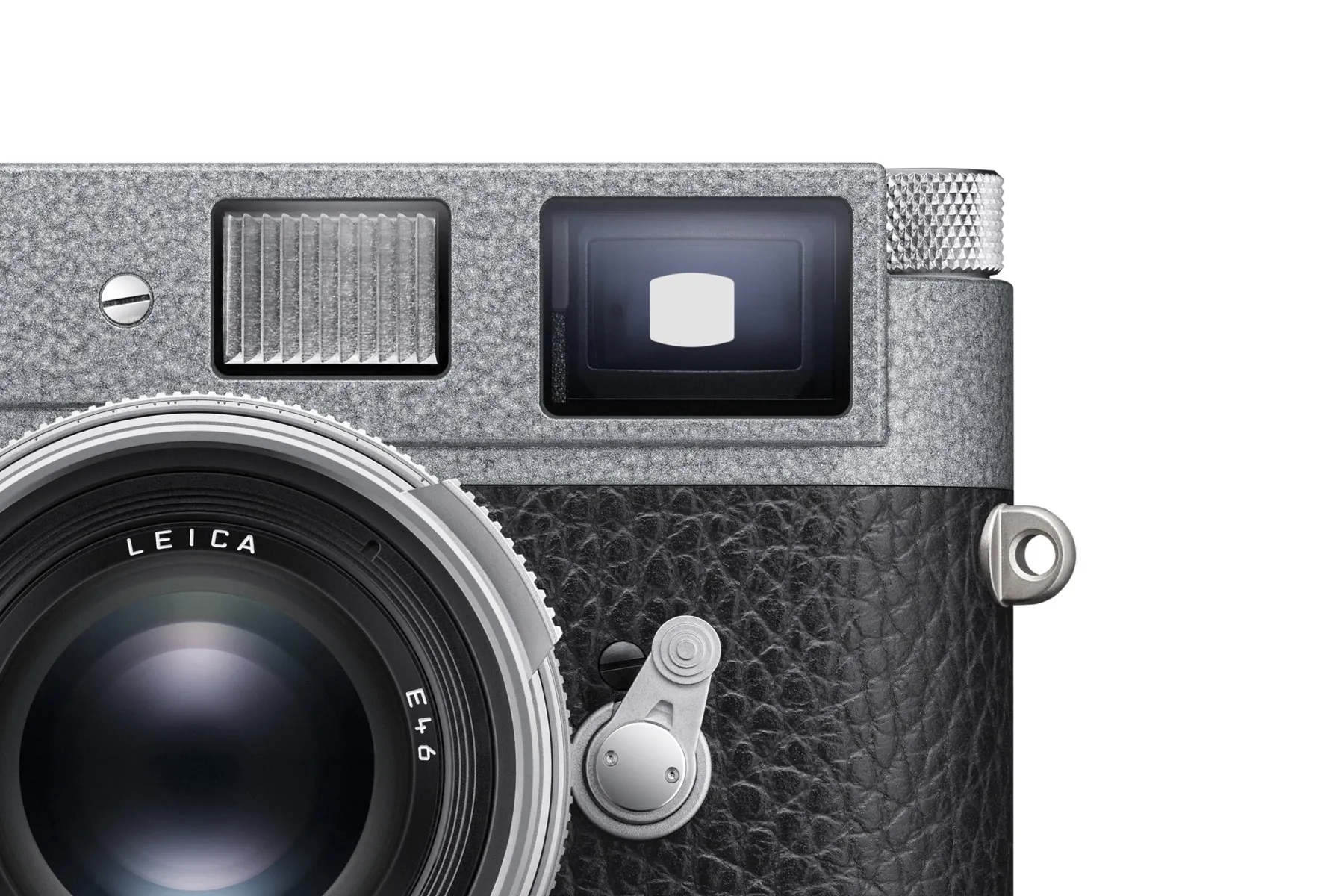
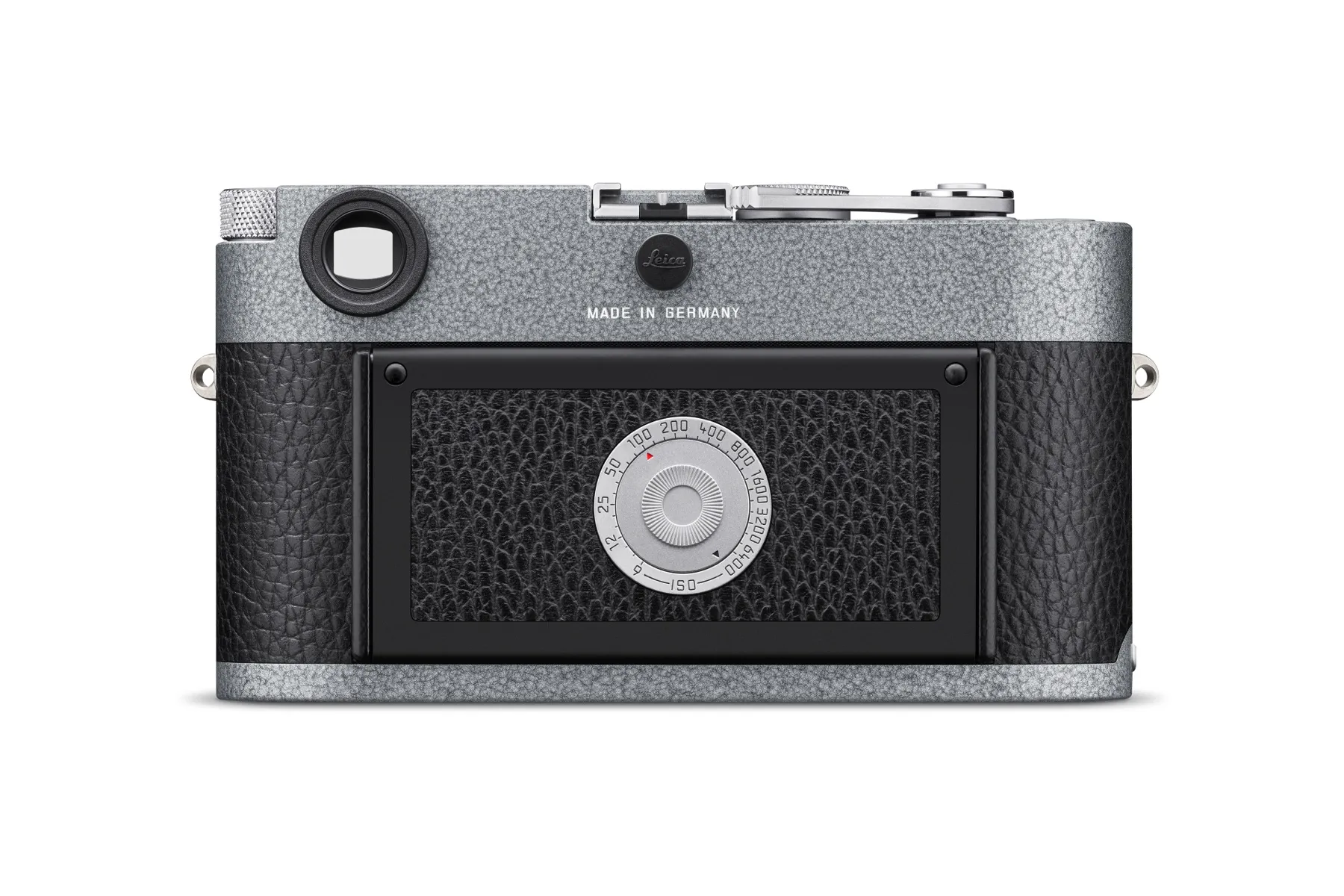
On both cameras, the finish covers the top plate and the base plate, both made of solid brass. The controls keep their classic cross knurling, the shutter release plate is shiny silver, the black covering follows the traditional vulcanite style and the engravings are filled in white.
The M11-P Hammertone also gains newly rounded, classically styled edges on the top and base plates, as well as a silver-chrome front screw. The BP-SCL7 battery supplied with the camera also has the hammertone finish.
M-A Hammertone: purely mechanical film
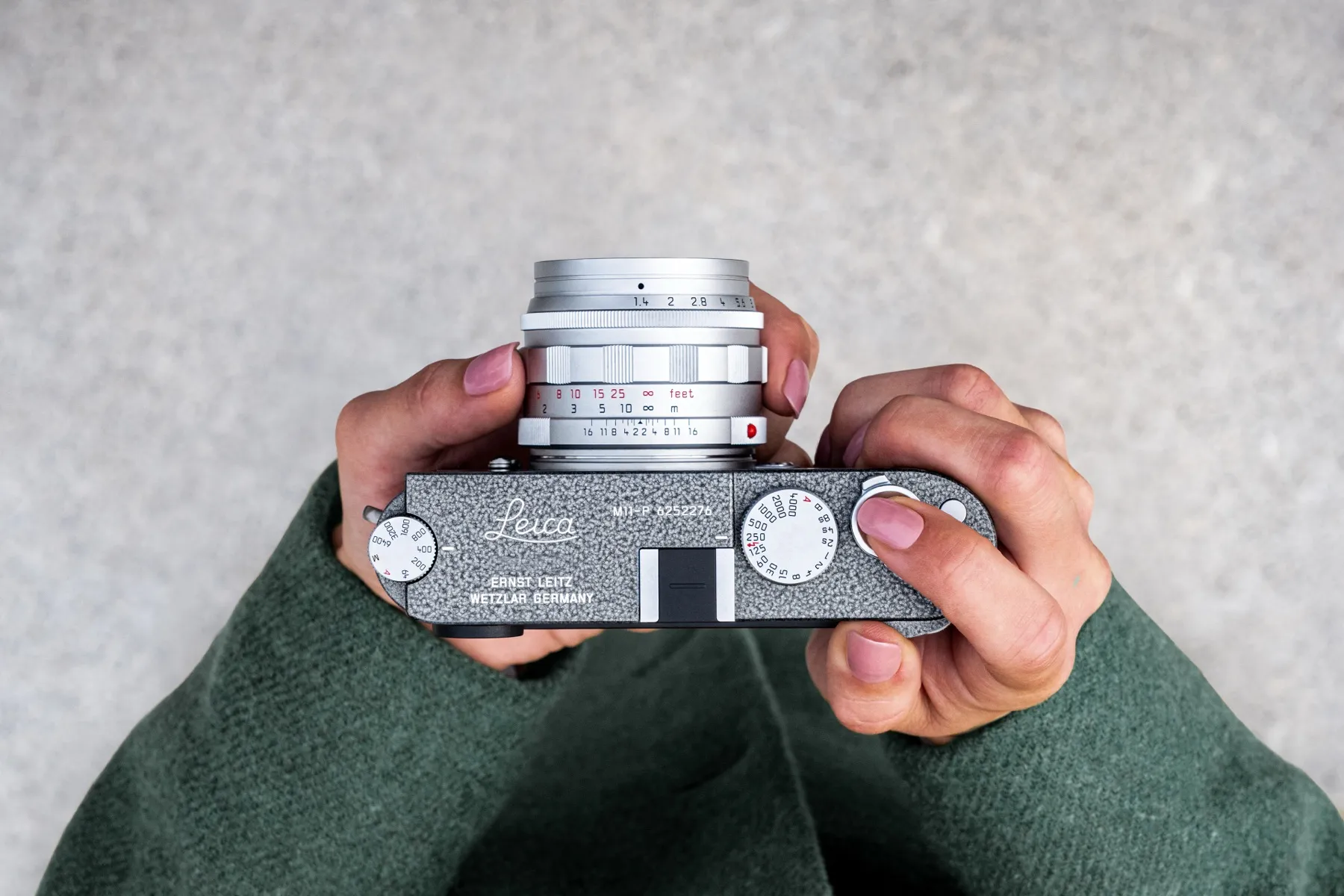
The Leica M-A Hammertone shares the specifications of the standard M-A. Fully mechanical, it is aimed at photographers who want film photography in its purest form: aperture, film speed and shutter speed are all set by hand. Leica presents it as a tribute to its rare models, with each camera receiving its own texture.
M11-P: 60 megapixels and signed images
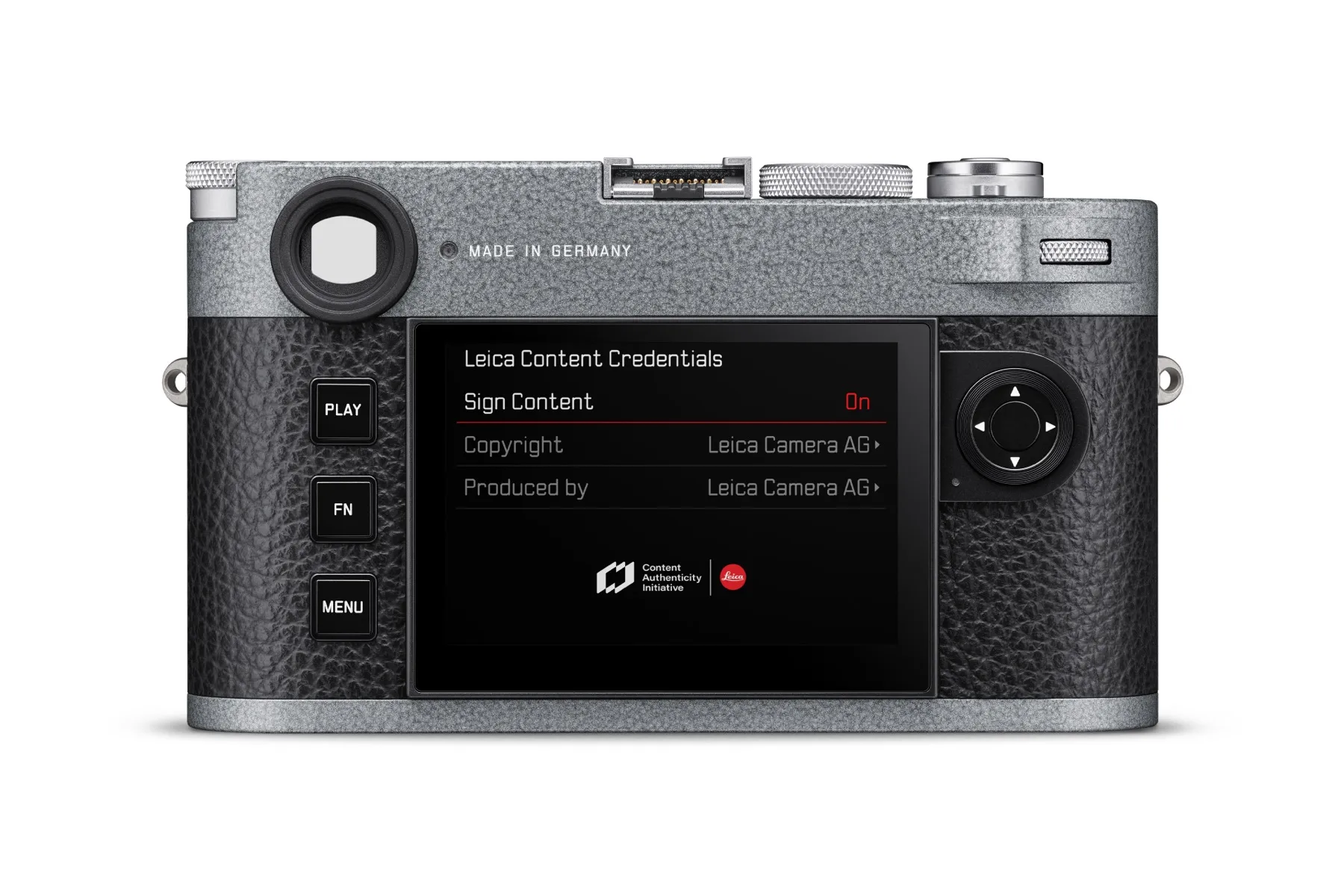
The Leica M11-P Hammertone brings this look to the digital world without changing any of the M11-P’s technology. It keeps the full-frame BSI CMOS sensor with Triple Resolution Technology (60, 36 or 18 megapixels), 256 GB of internal memory, a scratch-resistant anti-reflective sapphire crystal screen, and connection to the Leica FOTOS app via Bluetooth, Wi-Fi or cable.
Above all, it retains Leica Content Credentials technology, which signs each image with the camera model, the author, the file attributes and the editing steps. Leica describes the M11-P as the world’s first camera to integrate content authentication to the CAI and C2PA standards.
From the 1964 Leica MD to the 2011 M9
These two editions belong to a short lineage. Leica cites the Leica MD built for the Leitz Reprovit documentation system and, above all, a hammertone Leica MD of which only ten were made in 1964. They were followed by the 2003 MP LHSA, the 2011 Leica M9 Hammertone and the 2016 Leica M-A Vienna Edition. For more on the brand’s history, see a century of Leica.
How much do the Leica Hammertones cost?
Leica sets the recommended retail price of the M-A Hammertone at €6,650 including VAT and that of the M11-P Hammertone at €9,950 including VAT. Both cameras have been available worldwide since 12 November 2026 in Leica Stores, on the brand’s online store and from authorised dealers. The brand gives no production run and no numbering. Photography is also something Leica exhibits: in London, its gallery is showing David Bailey until 14 January 2027.
| Models | Leica M-A Hammertone (film), Leica M11-P Hammertone (digital) |
| Announced | 12 November 2026, Leica Camera AG |
| Finish | hammertone, top plate and base plate |
| Materials | solid brass, black vulcanite-style covering, white engravings |
| Made in | Leica Manufaktur, Wetzlar (Germany) |
| M-A Hammertone | fully mechanical, manual settings |
| M11-P Hammertone | full-frame sensor, 60, 36 or 18 MP, 256 GB, Content Credentials |
| Accessory | hammertone BP-SCL7 battery supplied with the M11-P |
| Recommended prices | €6,650 incl. VAT (M-A), €9,950 incl. VAT (M11-P) |
| Production run | not disclosed |
| Availability | since 12 November 2026, Leica Stores, online store, authorised dealers |
Information verified on 16 November 2026. Sources: Leica Camera AG press release of 12 November 2026, Leica M11-P Hammertone page, Leica M-A Hammertone page.