
At a glance
- What? On 9 November 2026, Botswana’s President Duma Boko announced that his government had selected the Global Diamond Consortium as preferred bidder for Anglo American’s 85% stake in De Beers.
- Botswana’s stake: it is set to double from 15% to 30% once the deal is completed, making the state De Beers’ largest single shareholder.
- Who else? Angola and Namibia will also take part in the transaction, according to President Boko.
- The price: not disclosed. Neither Anglo American, Botswana nor the consortium has published a figure.
- Nothing is signed: Anglo American has issued no statement on this choice and said on 20 October that it was still working towards a transaction in a challenging market.
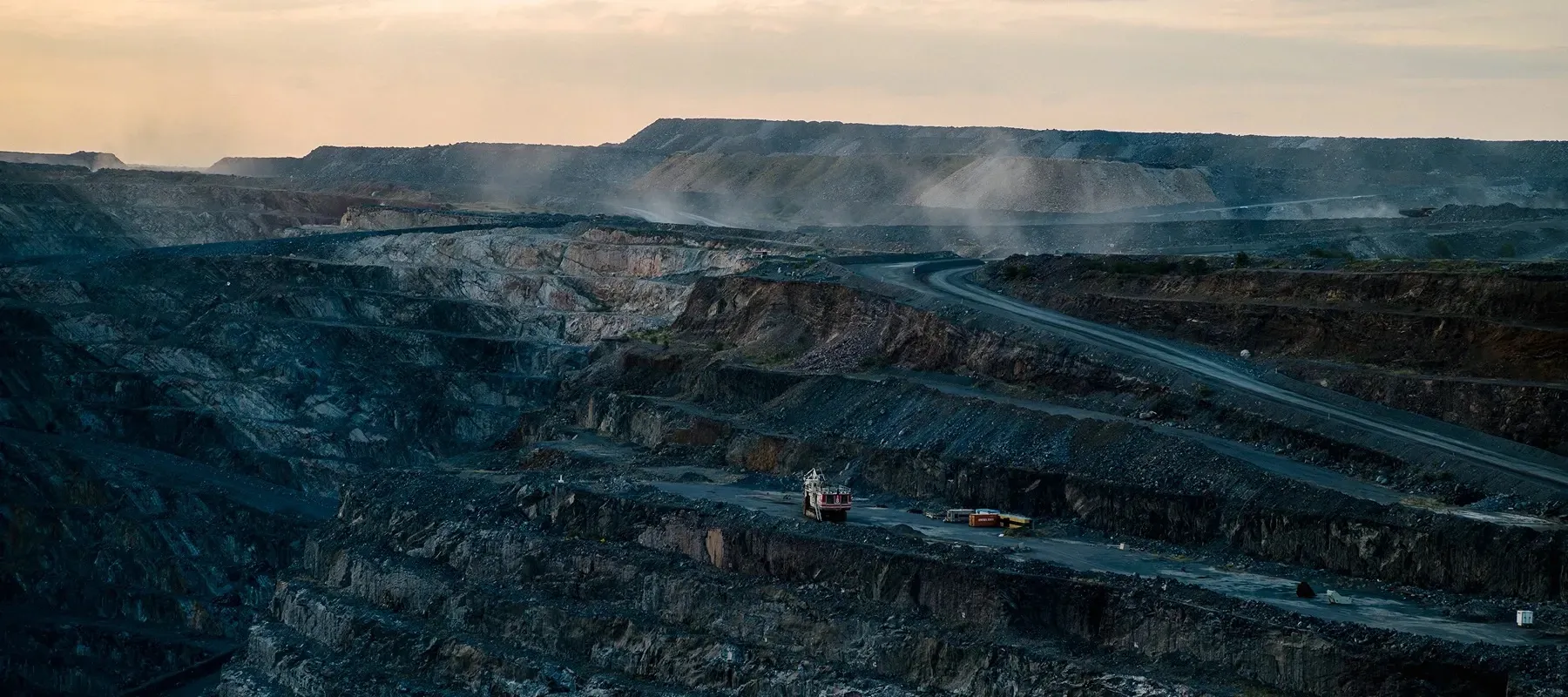
De Beers’ leading producer country wants a bigger say over the diamond company that markets its stones. By naming the preferred bidder for Anglo American’s stake itself, Botswana is taking charge of the sale of the historic diamond group. The deal has yet to be concluded, and its price is not public.
Global Diamond Consortium, Gaborone’s choice
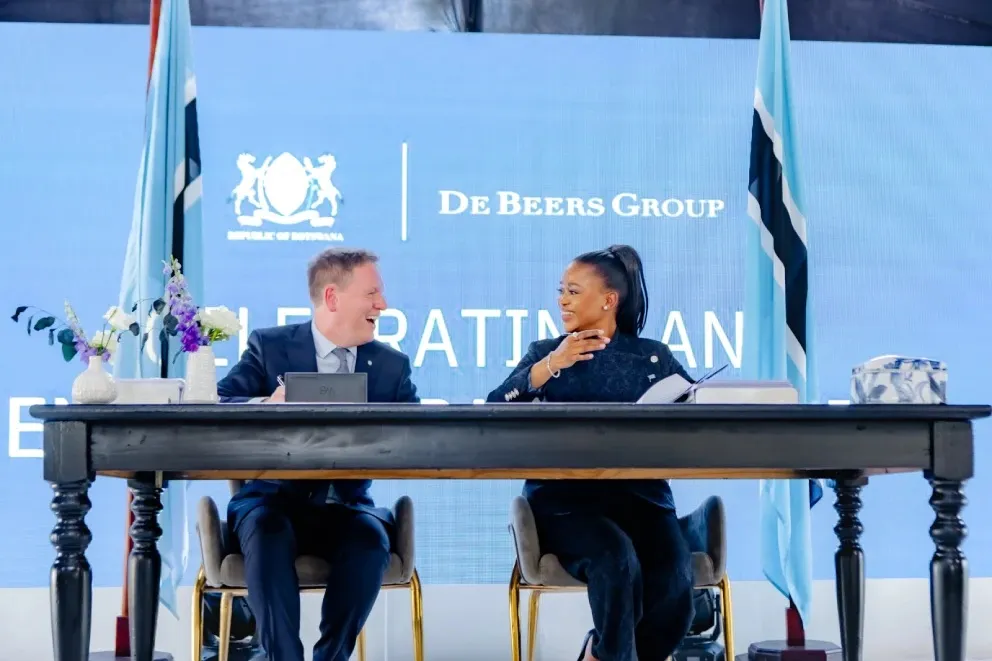
The announcement came in Gaborone during the State of the Nation Address, of which the government of Botswana published an account on 10 November. President Duma Boko explained that the decision was taken by his office and the Minerals Development Company Botswana, in response to Anglo American’s decision to sell its 85% of De Beers. After several months of reviewing the bids, the government chose the Global Diamond Consortium as preferred bidder. The consortium has not published any official statement to date, and Gaborone has not detailed its membership.
From 15% to 30%: Botswana as top shareholder
Today, Anglo American owns 85% of De Beers Group and the government of Botswana the remaining 15%. According to the official account, Botswana is to double its stake from 15% to 30% and become the group’s largest single shareholder once the transaction is completed. The president sees it as giving the country greater influence over De Beers’ strategic decisions for decades to come.
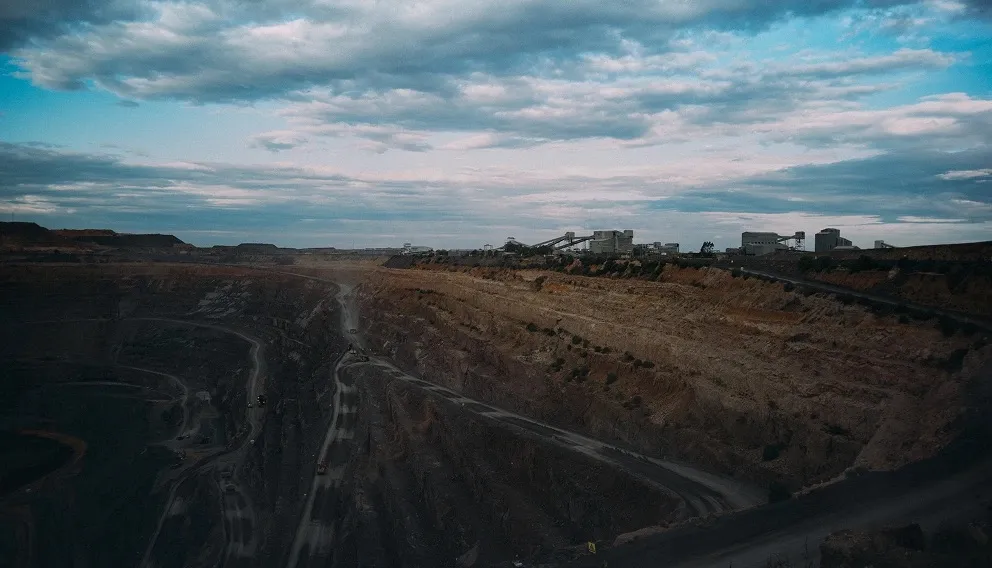
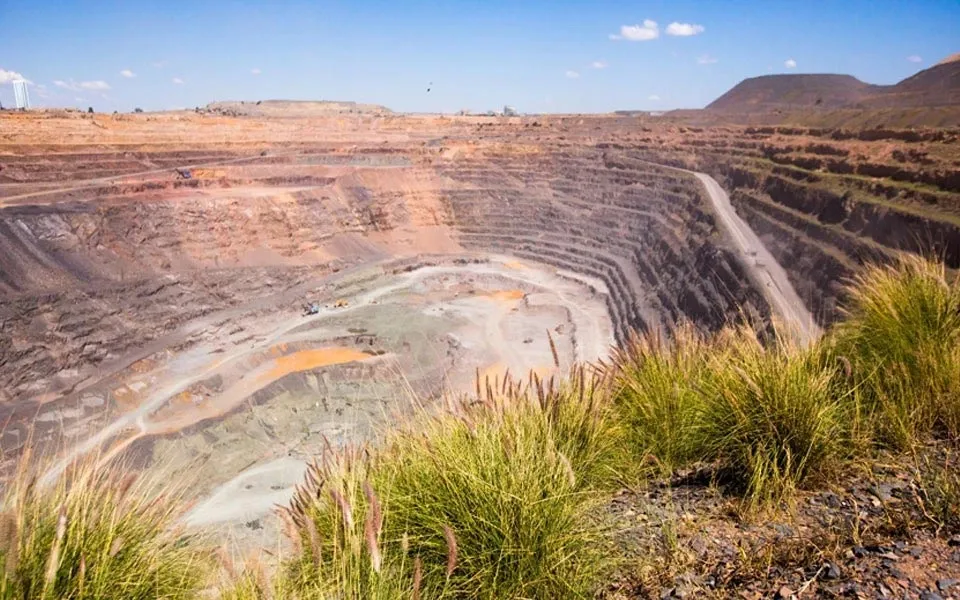
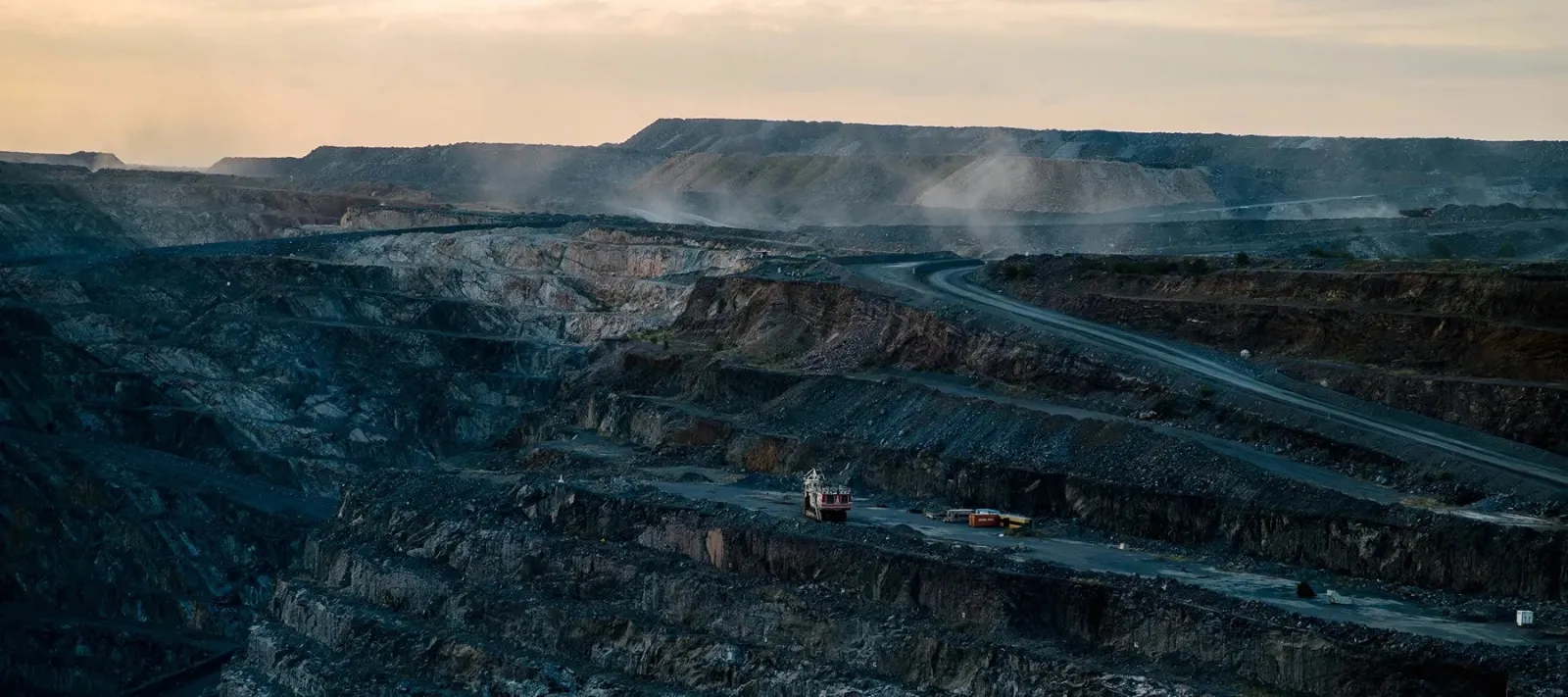
The tie goes back a long way. According to the history published by De Beers, the Orapa deposit was discovered in 1967, Debswana was set up in 1969 as a 50-50 partnership with the government, and Jwaneng was found in 1972. De Beers describes it as the world’s richest diamond mine by value. Sales to diamond buyers moved from London to Botswana in 2013.
Five principles for choosing the buyer
The government brought in financial, legal, technical and tax advisers, as well as diamond valuation specialists. Their criteria: lasting profitability for De Beers under an experienced, well-funded operator, greater strategic influence for Botswana, and broader participation across the value chain, including local cutting and polishing. The government also wants to limit the call on public finances, share risks fairly and complete the deal within international regulatory frameworks.
Angola and Namibia at the table
Botswana will not be alone. President Boko announced that Angola and Namibia would also take part in the transaction. For the first time, the region’s great producing nations would sit together as owners of the company that markets their diamonds, he said. He also criticised De Beers for having stopped telling the story of natural diamonds, which he said had eroded demand the group itself had built. That story is also told in stores, such as the De Beers flagship opened on rue de la Paix in Paris.
Element Six, the other synthetic stake
The president pointed out that De Beers owns Element Six, a specialist in synthetic diamond for technical uses. According to him, the US government approached Element Six, and Donald Trump announced a 600 million dollar joint facility in Georgia, about 542.9 million euros (ECB rate of 13 November 2026). Botswana sees this subsidiary as a technology lever, set to play a central role in a partnership with the United States.
A rough diamond market still under pressure
The backdrop remains tense. In the third quarter of 2026, De Beers sold 731 million dollars of rough diamonds, about 661.4 million euros, against 700 million dollars (about 633.4 million euros) a year earlier. Over nine months, however, its average realised price fell 37% to 97 dollars per carat, about 87.8 euros (ECB rate of 13 November 2026). The group notes that lab-grown diamonds continue to weigh on demand for lower-value natural stones. The top end follows other rules, as shown by the world’s most expensive diamonds.
What remains to be signed
The sale is not done. On 20 October, Anglo American wrote that it continued to work towards a transaction for De Beers in a challenging market. The price, the timetable and the exact split of capital among the buyers have yet to be published. Meanwhile, the partnership goes on: on 21 October De Beers paid its initial contribution to Botswana’s Diamonds for Development Fund.
| Company | De Beers Group |
| Seller | Anglo American, 85% of the capital |
| Preferred bidder | Global Diamond Consortium, chosen by Botswana |
| Announcement | 9 November 2026, Gaborone |
| Botswana’s stake | 15% today, 30% targeted |
| Other states | Angola and Namibia |
| Price | not disclosed |
| Status | sale documents still to be agreed |
Information checked on 13 November 2026. Sources: government of Botswana, account of 10 November 2026, Anglo American, Anglo American production report of 20 October 2026, De Beers production report of 20 October 2026, De Beers Group history.