
In brief
- The Maison&Objet September 2026 show began on 4 September 2026 at Paris-Nord Villepinte.
- This year’s edition explores the central theme of design in motion through immersive installations.
- The restaurant and hospitality sectors are adopting fluid structures and sustainable, modular materials.
The Maison&Objet September 2026 show opened its doors on 4 September 2026 at the Parc des Expositions de Paris-Nord Villepinte, bringing together the biggest names in interior architecture and contemporary design. This autumn edition explores the new dynamics of the art of living through the prism of fluidity and hybrid spaces. Faced with changing lifestyles, designers are redefining the environment of tableware and interiors with unprecedented agility. For several decades, this unmissable event of the autumn season has established itself as the global crossroads for decoration, design and art of living professionals. By welcoming exhibitors from all four corners of the globe, the Parisian event transforms the north of the capital into a true laboratory of trends, where the outlines of our future living environments, whether personal, collective or commercial, are taking shape.
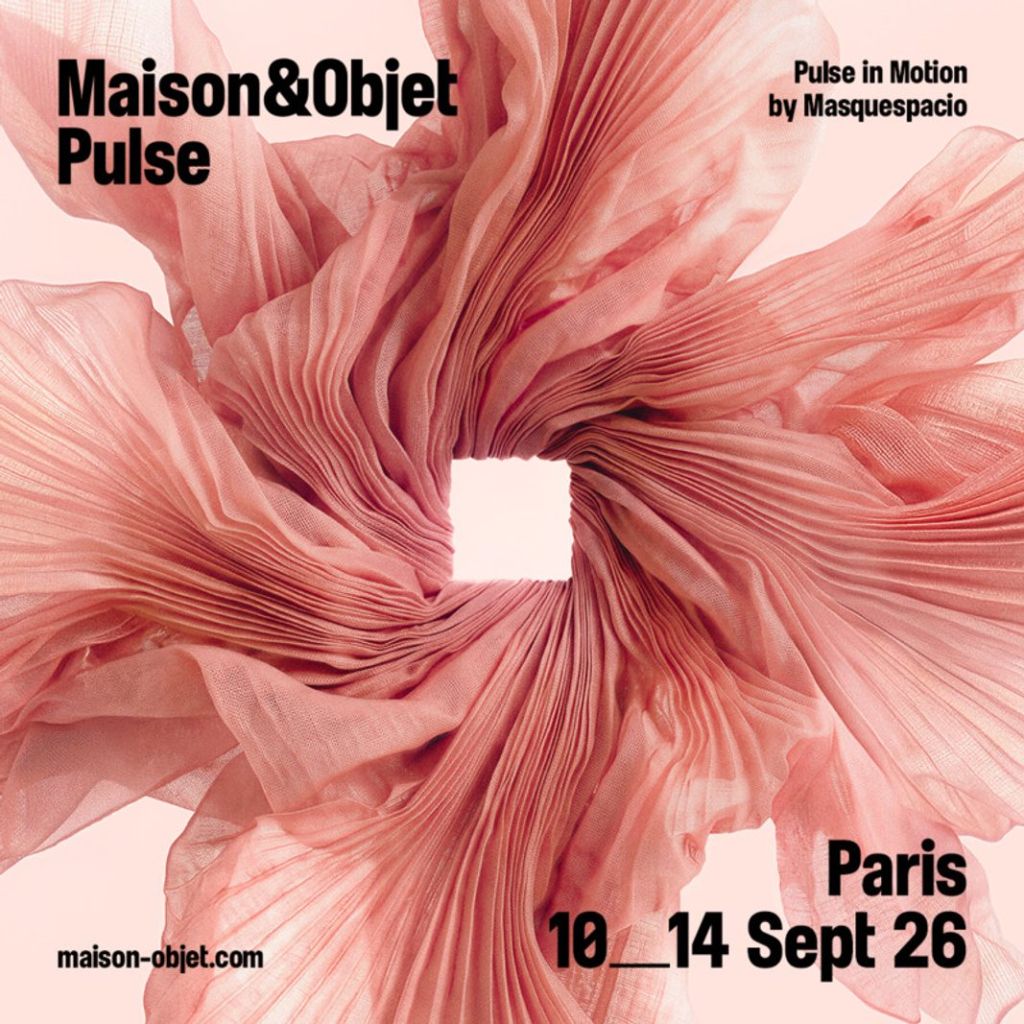
This season’s theme, focused on design in motion, echoes the profound societal transformations we are going through. The geographical and temporal boundaries of our daily activities are blurring, and our interiors must adapt in real time to these new rhythms. At Villepinte, this transition is reflected in spectacular scenographies and immersive journeys that invite visitors to rethink their relationship with objects and volumes. The exhibition halls become the theatre for a burgeoning creativity, where elegance combines with international audacity to offer concrete and inspiring answers to the contemporary challenges of space planning.
A fluid aesthetic for design in motion
A fluid and modular aesthetic
The concept of movement goes beyond simple physical mobility to anchor itself in the modularity of the pieces presented this season. Designers are now favouring organic lines and lightweight structures capable of adapting to different times of the day. Tables are transformed, seating stacks elegantly, and sculptural screens redraw volumes without ever freezing the space. This quest for flexibility meets the aesthetic demands of new hybrid spaces, on the borderline between residential and professional.
In this perspective, furniture is no longer seen as a static element but as a dynamic component of interior architecture. Sofas are made up of juxtaposable geometric elements, allowing the creation of either a friendly island for group meetings or an intimate refuge to isolate oneself from the hustle and bustle. Curved and sinuous lines dominate the collections, bringing a sense of softness and visual continuity. These shapes, inspired by nature, facilitate the circulation of air and light, creating serene and welcoming atmospheres that promote the well-being of users. The emphasis is on lightweight materials such as brushed aluminium, light woods or stretched technical textiles, which facilitate daily movement and rearrangement without compromising on robustness or elegance.
Tableware is reinvented with lightness
At the heart of the show, the restaurant sector is undergoing a profound stylistic mutation where tableware breaks free from rigid conventions. Tableware is inspired by the raw textures of nature, blending irregular ceramics and mouth-blown glassware to create a unique sensory atmosphere. The meal becomes an immersive and lively experience where each object tells a unique story. This approach values artisanal imperfection and the artisan’s touch, bringing an essential human dimension to contemporary tables.
The contemporary table abandons perfect symmetry to celebrate the charm of the unexpected. Plates feature slightly asymmetrical contours, glazes reveal subtle chromatic variations resulting from controlled firings, and cutlery is adorned with matte or patinated finishes that invite touch. This promotion of traditional expertise is accompanied by a refined minimalism. Heavy tablecloths give way to noble, raw materials like washed linen or hemp, while floral arrangements become wilder and more airy. By placing humanity and materials back at the centre of the table, designers transform mealtime into a ritual of exchange and sharing, particularly sought after by modern dining establishments in search of differentiation and authenticity.
The historical role of Maison&Objet in the evolution of trends
Since its creation, the Maison&Objet show has established itself as the epicentre of the major aesthetic movements that shape our daily lives. Organised twice a year, in January and September, it offers a clear and forward-looking reading of trends in the decoration market. Over the years, the event has evolved from a simple trade fair into a global cultural platform, capable of anticipating consumer expectations and professional needs. By bringing together profiles as diverse as architects, hoteliers, designers and craftsmen, the show fosters a unique creative emulation.
The September session is of particular importance to the creative sector. Marking the start of the new season and new end-of-year projects, it allows publishers to unveil their flagship collections and lay the stylistic foundations for the months to come. By analysing emerging trends through its spaces of expression and conferences, the show does not just present objects; it deciphers lifestyles and sociological behaviours. This analytical dimension makes Maison&Objet a strategic meeting point for all players in the international design and prestigious interior design industry.
Sustainable materials at the service of innovation
Eco-design as the new standard of luxury
Sustainability is no longer seen as a constraint but as the main driver of contemporary creation at Villepinte. Exhibitors compete in ingenuity by presenting bio-sourced, recycled and highly resistant materials, perfectly adapted to the requirements of prestigious establishments. Ecological resins sit alongside certified woods and technical textiles derived from upcycling to design furniture with a low environmental impact. Eco-responsible innovation is now establishing itself as the new standard of luxury for this design season.
Manufacturers are demonstrating that it is now possible to combine high technicality, high-end aesthetics and respect for ecosystems. New manufacturing processes highlight short supply chains and low-carbon production methods. Seating integrates plant-based foams and dismantlable structures that facilitate repair and recycling at the end of the life cycle. Wall coverings and surfaces exploit innovative composites created from co-products of agriculture or the fashion industry. This virtuous luxury appeals to a demanding international clientele, who wish to harmonise their environmental values with their quest for beauty and excellence.
The sensory experience at the heart of new design concepts
Design in motion is not limited to visual or functional aspects; it speaks directly to the senses. Furniture and interior designers are placing growing importance on the tactile, acoustic and visual stimulation of spaces. Surfaces are adorned with textured reliefs, wall coatings adopt sanded or trowelled finishes, and furnishing textiles play on the contrasts between softness and roughness. These details stimulate the sense of touch and reinforce the impression of comfort and security within interiors.
At the same time, mastering acoustics is becoming a major challenge in the design of contemporary living spaces. The use of wool felts, suspended wood fibre panels or green partitions makes it possible to soften atmospheres and create bubbles of calm conducive to concentration or relaxation. Light also plays a key role in this sensory approach. Lighting systems integrate intelligent technologies that adapt the intensity and temperature of light according to the natural cycle of the day, gently accompanying the occupants’ activities and instantly transforming the perception of volumes.
Towards a hybridisation of reception spaces
The hybridisation of reception spaces
Traditional boundaries between the restaurant, the hotel lobby and the private lounge are blurring to make way for highly qualitative, multifunctional spaces. Interior designers are imagining reception rooms capable of morphing into intimate dining spaces or informal work areas depending on the hour. Integrated acoustic solutions and connected lighting systems allow the atmosphere to be modulated in an instant. This modularity redefines the overall guest experience within prestigious establishments, combining absolute comfort and technical functionality.
This dynamic of hybridisation responds directly to the need for optimisation and adaptability of prestigious hospitality establishments. The same venue must be able to host a business breakfast in the morning, a casual lunch at midday, a co-working space during the afternoon and a sophisticated lounge bar in the evening. To meet this challenge, designers are creating versatile furniture such as banquettes equipped with discreet connectivity sockets, mobile consoles that transform into service buffets, and movable partitions that deploy in moments. The aesthetics of these pieces are meticulously crafted to integrate harmoniously into the most luxurious decors, ensuring a fluid and elegant transition between different uses throughout the day.