
In brief
- The 2026 vintage is characterised by an early harvest requiring great technical agility from the winemakers.
- Claret has officially been reborn since the 2025 vintage to offer a light, pale and highly fruity red alternative.
- The rise of blancs de noirs and the rehabilitation of sweet white wines are transforming contemporary food pairings.
While the 2026 vintage is distinguished by a remarkably early harvest in Gironde, winemakers are adapting their wine profiles to appeal to a demanding clientele in search of freshness and novelty. At a time of global warming and changing consumer habits, the Bordeaux vineyards are displaying treasures of inventiveness by reviving historic appellations or exploring new taste territories. This dynamic is reflected in bold choices both in the vineyard and the cellar, shaking up age-old traditions to adapt to contemporary realities.
An agronomic and oenological adaptation to the climate
The early nature of the 2026 vintage imposes an intense pace on the estates of Gironde. To preserve the delicate balance between acidity and sugars, winegrowers must demonstrate flawless responsiveness during the harvest. This climatic constraint is being transformed into an opportunity to rethink vinification, notably through modern temperature control techniques. The quest for optimal aromatic freshness now guides work in both the vineyard and the cellar, prompting producers to explore alternative avenues to complement their traditional ranges.
Key markers of the Gironde revival
To better understand these developments, it is worth noting that modern Claret and the official Médoc blanc designation both began with the 2025 vintage, while the Rauzan cooperative offers a sweet white wine at 11% alcohol and 35 grams of residual sugar. These alternatives meet a growing demand for freshness and aromatic diversity at the table. They bear witness to a major vineyard’s desire to reinvent itself in depth to capture the interest of new generations of tasters.
Claret’s return to favour
This revival is part of a global movement to rediscover historic winemaking styles, updated thanks to contemporary technical progress.
The return to favour of historic Claret
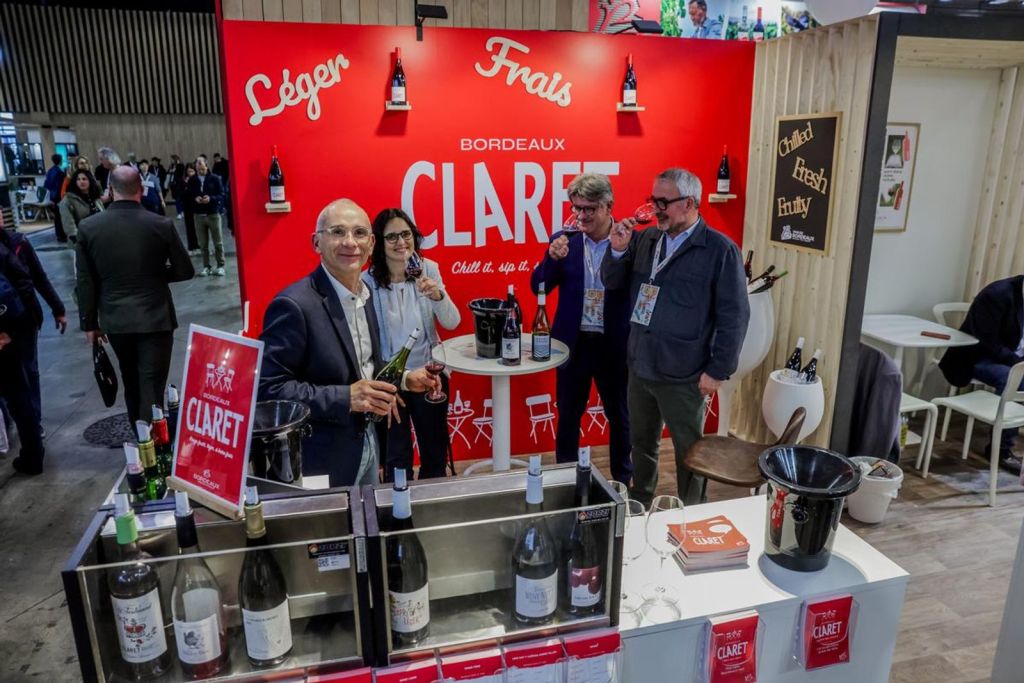
Once prized by English merchants as early as the Middle Ages for its clear colour and delicacy, ‘Claret’ is being reborn today under the impetus of professionals keen to shake up the codes. With the 2025 vintage as the first marketed milestone, this historic designation is establishing itself as a modern alternative to dense, structured reds. This pale, light and intensely fruity red wine is best enjoyed in its youth, sometimes slightly chilled, perfectly meeting the expectations of the apéritif. This seductive profile, reminiscent of the success of Beaujolais or Loire nectars, must not be confused with Gironde clairet, a much more confidential rosé AOC. The finesse of its tannins and its immediate aromatic expression make it a valuable ally for casual moments of sharing.
The gastronomic audacity of blanc de noirs
In the wake of the craze for orange wines in recent years, blancs de noirs are now establishing themselves as the notable new trend on contemporary tables. Produced by vinifying red grape varieties such as Merlot and Cabernet Franc as white wine, these bottles surprise with their complexity. On the palate, these wines reveal a vinosity superior to that of classic whites, bringing an exotic structure and depth capable of framing an entire meal, from starter to dessert. For the estates, this approach also offers a valuable outlet for adding value to black grapes in a market where demand for red is declining in favour of whites. It makes it possible to reconcile economic demands with oenological creativity within the cellars.
The quiet renaissance of sweet wines
This renewal involves meticulous work on the balance on the palate, far from the concentration standards that once prevailed.
The bold rehabilitation of sweet white wines
Long relegated to the background, sweet white wines are making a discreet but strategic comeback in the hierarchy of Gironde pleasures. Less concentrated in residual sugars than their illustrious sweet cousins from Sauternes or Loupiac, they appeal with their subtle balance. The example of the Rauzan cooperative perfectly illustrates this trend: their cuvée has an alcohol content of 11% for 35 grams of residual sugar, offering a profile particularly suited to convivial moments and export, notably to the German market. This return to favour confirms consumers’ reconciliation with sweet, digestible flavours, which easily fit into more informal and festive tasting rituals.
Médoc blanc: towards a historic diversification of the Graves terroir
The Médoc peninsula, world-famous for its great Graves terroirs ideal for Cabernet Sauvignon blends, is experiencing a small revolution with the opening of its production charter to white wines. This diversification responds to a fundamental shift in the consumer market.
The promising emergence of Médoc white
A historic land of great red wines, the Médoc peninsula is eagerly opening up to the production of white wines. Since the 2025 vintage, the official ‘Médoc blanc’ designation has finally been authorised on labels, marking the beginning of a new era for the region’s winegrowers. The first bottles of Médoc blanc arrived on tables in spring 2026, offering small-scale estates a highly qualitative addition to their range. While traditional Sauvignon dominates these blends, some bold producers are integrating exogenous grape varieties such as Chenin, Chardonnay or Viognier, agreeing to market them outside the AOC to cultivate their uniqueness. This freedom of experimentation breathes a breath of fresh air across the entire peninsula.
The rising alternative of alcohol-free
This quest for lightness is pushing winemakers to explore new technical parameters to reduce the presence of alcohol while preserving the aromatic richness of the grapes.
The promising emergence of alcohol-free alternatives
To respond to changing consumer habits, the Bordeaux vineyards are deploying great inventiveness focused on freshness. This approach is notably illustrated by the sweet white wine offered by the Rauzan cooperative, featuring 11% alcohol and 35 grams of residual sugar. This positioning shows that alcohol moderation, combined with precise sugar control, constitutes a major avenue for the future of the region’s wines, particularly among well-being-conscious consumers who do not want to give up the pleasure of tasting.