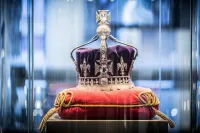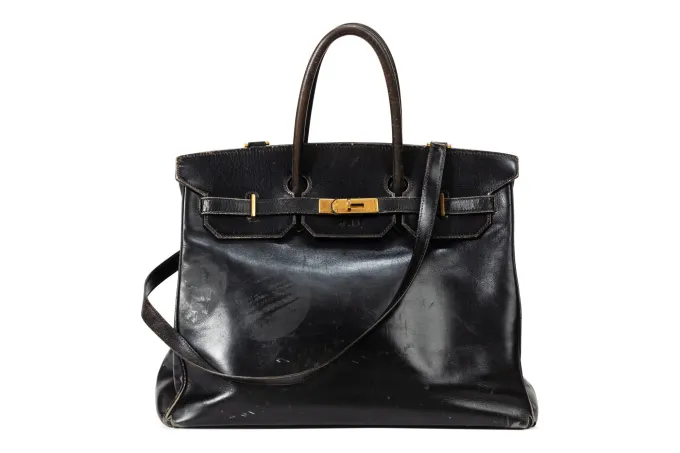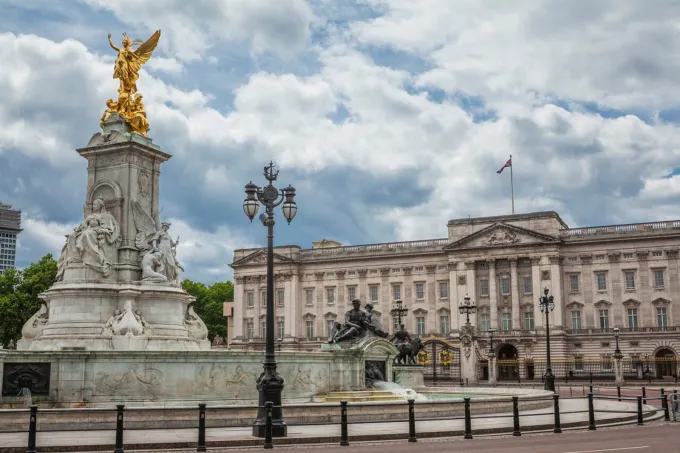


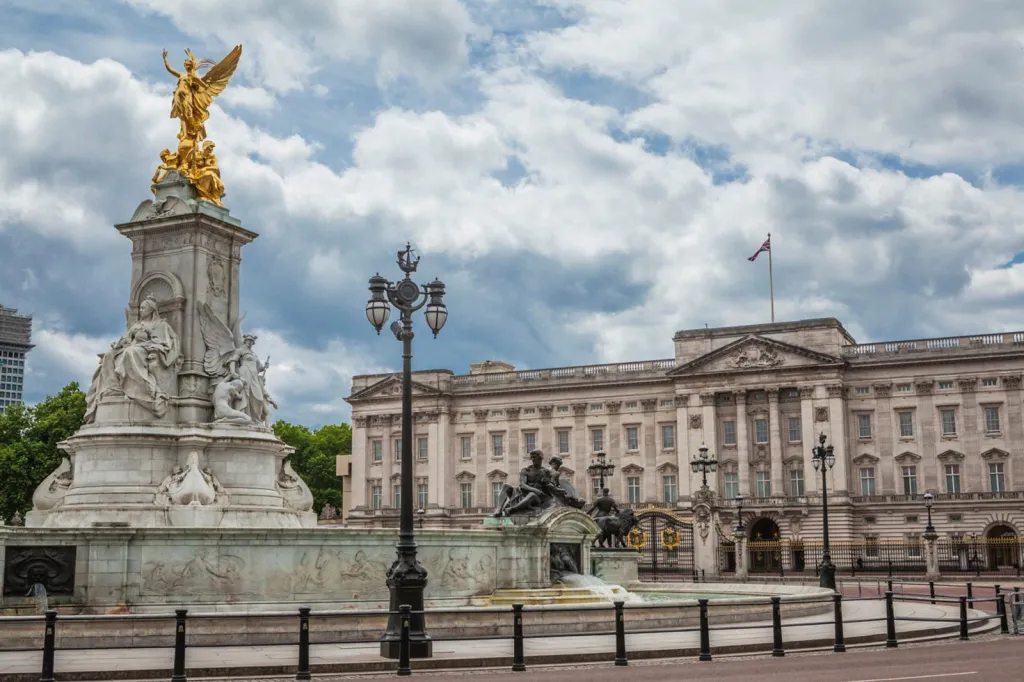
Cultural and heritage news is regularly highlighted by fascinating discoveries at the heart of the world’s most iconic monuments. Recently, modernisation work undertaken within the British royal residence brought back to light forgotten artefacts, hidden for decades, or even centuries, beneath floorboards and behind partitions. The objects found during the renovation work reveal the hidden history of Buckingham Palace, captivating architectural heritage enthusiasts and observers of the luxury sector alike. Reported notably by Actu.fr, this news attracts attention across the worlds of lifestyle, fine craftsmanship, and collector’s items such as haute horlogerie. In the absence of rich content immediately available in the initial press releases, this study incorporates confirmed information from Google News and the high-end hospitality sector. Key elements from the original source have been scrupulously preserved to maintain the editorial direction without adding unverified information, whilst framing this reflection within the broader context of heritage, historical expertise, and the operational excellence of major establishments.
A unique testament to the behind-the-scenes life of a legendary royal residence
Every phase of restoration in a multi-century-old building constitutes an archaeological adventure in its own right. In the case of a sovereign palace, opening up interior structures to meet modern technical standards offers an unprecedented perspective on the daily lives of past generations. The objects discovered during rehabilitation campaigns do not merely represent material milestones; they tell the intimate story of the palace, the meticulous work of the domestic staff, the habits of the royal family, and the interior layout methods specific to each era. Whether decorative elements, antique tools, fragments of correspondence, or small personal items, each remnant helps piece together a collective history and sheds light on lesser-known aspects of the monarchy’s inner workings.
The discovery of artefacts during major renovation projects underscores the extent to which historic buildings are living organisms in constant transformation. Over the centuries, successive alterings often sealed off vacant spaces, inadvertently creating time capsules preserved from dust and exterior degradation. When workers and restorers gain access to these previously inaccessible areas, they unearth tangible evidence of invaluable worth to historians and heritage conservators. These archaeological treasures enrich the overall understanding of the building and bridge major political history with the everyday details of functional and decorative objects.
Repercussions in the realm of luxury craftsmanship and collector’s items
The interest sparked by these discoveries extends far beyond the confines of British history. Indeed, the announcement of such excavations resonates strongly with lovers of rare objects, haute horlogerie, and traditional craftsmanship. In the sector of vintage watches and objets de vertu, provenance, rarity, and the history associated with a piece are decisive factors in valuation. Vintage timepieces or personal accessories originating from prestigious residences embody a level of precision and aesthetics that discerning collectors and specialist auction houses constantly seek out.
The art of timekeeping and precious metalwork have always been intimately linked to Europe’s great royal courts. Sovereigns and their retinues regularly commissioned exceptional pieces from master watchmakers and silversmiths, designed to endure and transcend eras. Unearthing historic items during restoration work serves as a reminder of the permanence of this exceptional craftsmanship. It sparks renewed fascination for ancestral manufacturing techniques, period tooling, and painstaking restoration, all of which are central themes for enthusiasts of mechanical watchmaking and fine art objects.
Inspiration and editorial links with luxury hospitality
Parallel to the world of collectors, professionals involved in luxury hotel openings observe these extraordinary projects with keen interest. Grand hotel palaces and properties set within historical buildings share a fundamental challenge with royal residences: reconciling the preservation of a centuries-old architectural legacy with modern expectations of comfort, safety, and technical efficiency. Renovation projects carried out in landmark monuments frequently serve as benchmarks for restoration methodologies and the enhancement of existing structures.
When a luxury hotel opens within a historic building or undertakes a major restructuring, discovering hidden heritage elements provides a significant narrative and aesthetic asset. Integrating antique objects or creating themed spaces paying tribute to the location’s past allows for a singular guest experience rooted in authenticity and prestige. High-end hospitality draws extensively on history, the mythology of grand estates, and noble materials to forge unique settings and offer service where attention to detail meets the royal art of entertaining.
The rigour of preservation and handling heritage reporting
In a media environment where information circulates at high speed, reporting on heritage matters demands absolute rigour. As highlighted by Google News reports and coverage provided by Actu.fr, it is essential to adhere strictly to details confirmed by relevant authorities and conservation teams. Preserving historical truth guarantees the value of lessons drawn from these exceptional projects.
The approach adopted by restorers and scientific experts involves cataloguing, analysing, and securing every unspotted fragment before considering its display or publication. This rigorous methodology ensures that the building’s history is faithfully presented without speculation or alteration. For media observers specialising in luxury, craftsmanship, and prestigious hospitality, this standard of transparency and accuracy forms the indispensable foundation of a demanding editorial approach that respects factual truth and the prestige of the institutions involved.
Enduring craftsmanship and intergenerational transmission
Bringing artefacts to light during modernising work also highlights the vital role of transmitting artisanal expertise. Whether restoring an antique clock, consolidating historic panelling, or treating precious metals, these interventions demand rare expertise handed down through generations. These extensive projects unite master artisans, cabinetmakers, horological restorers, and heritage historians who collaborate to bring forgotten testimonies back to life.
This synergy between traditional crafts and contemporary technical demands perfectly illustrates the dynamics of the luxury sector. The objects found beneath the floorboards of this famous royal home are not merely relics: they represent the skill of past artisans, laid bare by the work of today’s experts. This continuity ensures that architectural and material heritage will continue to inspire timepiece creators, interior designers, and leading figures in luxury hospitality for decades to come.